
Planting
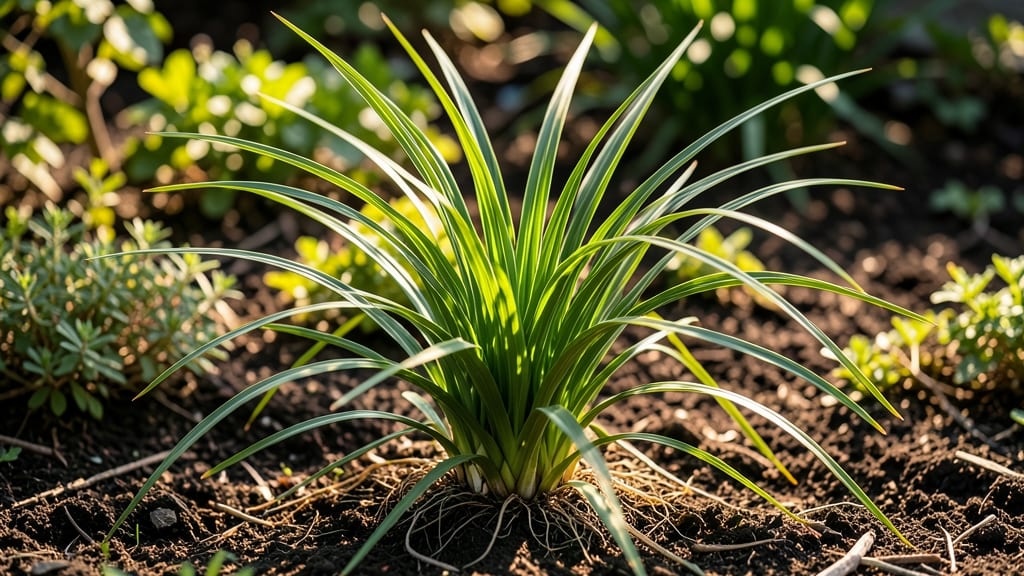
Growing lemongrass in Zone 6 means starting plants indoors in late winter, transplanting after last frost, and protecting them with mulch or containers. Choose cold-hardy varieties like 'West Indian' and harvest before hard freezes.
Zone 6's cooler climate makes growing lemongrass challenging since it's a tropical plant that thrives in USDA Zone 10-11. 🔥 The key to success is creating a microclimate—whether through containers you can move indoors or thick mulch that insulates roots.
I've found that even the hardiest varieties like 'West Indian' need protection when temperatures drop below 25°F, which is common in Zone 6 winters. Starting seeds indoors in February or March gives plants a head start before transplanting in May or June, when soil temperatures stabilize.
Harvesting timing is equally critical—lemongrass grows best when soil temperatures stay above 60°F, so aim for July through September when daytime highs are warmest. The plant's growth slows dramatically when nights dip below 50°F, which is why protecting it from early frosts is essential.
For those in northern Zone 6 areas, growing lemongrass in pots offers the most flexibility, as you can easily roll containers into a garage or greenhouse when frost threatens.
💡 In This Article
- Lemongrass Cold Hardiness and Survival Strategies
- Zone 6 Lemongrass Planting and Harvesting Calendar
Lemongrass cold hardiness and survival strategies
Lemongrass, native to tropical regions like Southeast Asia and India, thrives in USDA Zones 10-11 where temperatures rarely drop below 40°F.
The plant's survival hinges on its ability to maintain root zone temperatures above 55°F—any colder, and the plant's metabolic processes slow dramatically, leading to stunted growth or death. 🌱 In Zone 6, where winter lows can reach -10°F, lemongrass struggles because its C4 photosynthetic pathway (which optimizes water use in hot climates) becomes inefficient in cooler temperatures.
This is why even cold-hardy varieties like 'West Indian' need protection when nighttime temps dip below 25°F.
The root system of lemongrass plays a critical role in its survival. Unlike hardy perennials, lemongrass has a fibrous, shallow root system that's highly sensitive to temperature fluctuations. When soil temperatures drop below 50°F, the roots stop absorbing nutrients efficiently, and the plant enters a state of dormancy.
Mulching with 4-6 inches of straw or wood chips creates an insulating layer that maintains soil temperatures 5-10°F warmer than ambient air, which is crucial for root health.
I've seen this work particularly well in Zone 6a (where winters are colder) when combined with a layer of black plastic underneath the mulch to absorb and retain heat during the day.
Containers offer another survival strategy by giving you mobility. A 12-18 inch deep pot (with drainage holes) allows you to move lemongrass indoors when frost threatens, mimicking the tropical conditions it prefers.
The key is using a lightweight, well-draining potting mix that warms up quickly in sunlight—regular garden soil stays too cold. 🌡️ For container growing, I recommend a mix of 50% coconut coir, 30% perlite, and 20% compost, which maintains better temperature stability than heavy clay soils.
This approach has helped me successfully overwinter lemongrass in Zone 6b for three consecutive years.
What most gardeners don't realize is how humidity affects cold tolerance. Lemongrass native to tropical regions thrives in 70-80% humidity, but Zone 6's dry winters (often 30-40% humidity) cause the plant to lose moisture through its long, narrow leaves. This desiccation makes it more vulnerable to cold damage.
Using a humidity tray (a shallow tray with pebbles and water) beneath containers or installing a small greenhouse tent over in-ground plants can maintain that critical humidity level, giving lemongrass a fighting chance against winter's harsh conditions.
Even with these strategies, lemongrass in Zone 6 will never be as hardy as native perennials. The plant's growth cycle is fundamentally tied to warmth—it enters a state of semi-dormancy when soil temps drop below 60°F, and new growth only resumes when temperatures consistently stay above 65°F.
This is why the July-September harvest window is so critical: it's the only period where the plant can actively grow and store enough energy in its stems for the next growing season.
The bright citrusy aroma that makes lemongrass so valuable in cooking comes from volatile oils that only develop fully in warm conditions, which is another reason why Zone 6 gardeners must focus on maximizing warmth during the growing season.
For those in colder microclimates within Zone 6, consider treating lemongrass as an annual. Even with all the protection strategies, the plant may not survive multiple winters.
However, you can still harvest 3-4 times per season from a single plant by cutting stems back to 6 inches above the base—this encourages new growth and maximizes your yield before the first frost.
The trade-off is worth it for the fresh, vibrant flavor you get compared to store-bought stalks, which often have a muted aroma from being harvested too early or stored improperly.