
Planting
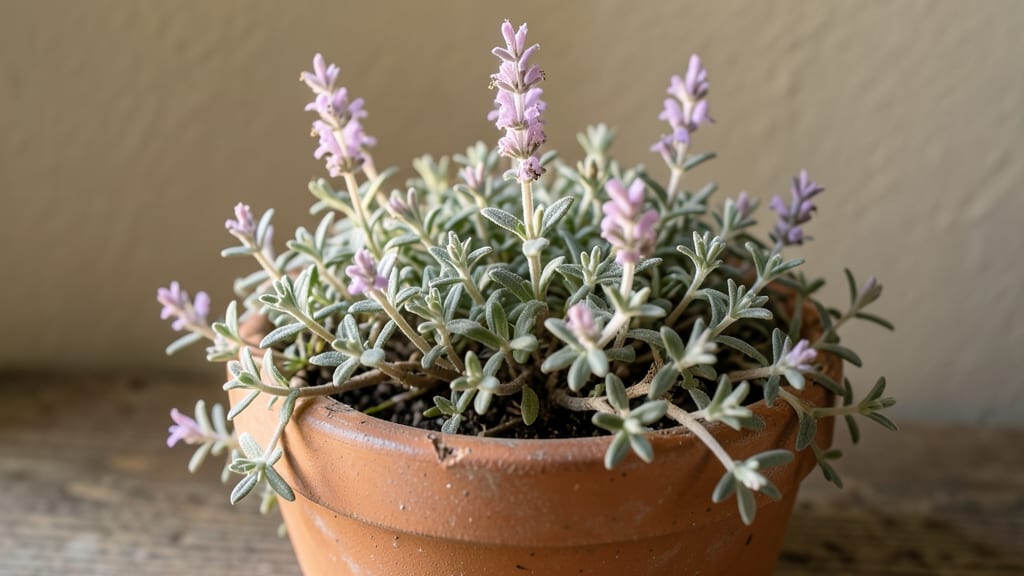
Growing the lime thyme plant means having a fragrant, cold-hardy perennial that thrives in your garden or pots year after year. 🌿 I’ve learned that this lemon-scented variety isn’t just pretty—it’s tough, drought-resistant, and perfect for both cooking and borders.
The key is mimicking its natural Mediterranean habitat with just the right balance of sun, soil, and pruning. This plant loves full sun (at least 6 hours daily) and well-draining soil, whether in garden beds or containers. Water it lightly—just enough to keep the soil slightly moist—but never soggy.
Overwatering is the fastest way to kill it, and once established, it barely needs extra care. Prune back by a third after flowering to encourage bushier growth and more fragrant leaves. By late spring, you’ll have lush, silver-green foliage with tiny purple flowers that bees adore.
The leaves release a bright citrusy aroma when brushed, making them ideal for seasoning dishes or garnishing cocktails. Harvest leaves throughout the growing season, and the plant will keep producing without fuss. Lime thyme handles cold down to Zone 5, making it one of the hardiest culinary herbs.
It’s also pest-resistant, so you won’t waste time battling aphids or mites. Whether you’re growing it for flavor or beauty, this plant delivers on both fronts with minimal effort.
📚 In This Guide
- What you need
- Instructions
- Tips and common mistakes
- Wrapping up and next steps
What you need
- ● Lime thyme seeds or nursery plants: 1–2 plants or a packet of seeds (check for organic or heirloom varieties if preferred).
- ● Well-draining potting mix: 3–5 gallons (or enough to fill your chosen container). Look for a blend labeled for herbs or succulents.
- ○ Containers (optional but helpful): 1–2 pots, 6–12 inches deep, with drainage holes (terracotta or ceramic work great!).
- ● OR a raised garden bed or in-ground plot (if planting outdoors).
- ● Watering can or hose with a gentle spray nozzle.
- ○ Fertilizer (optional but recommended): A balanced, organic fertilizer (e.g., 10-10-10) or compost tea for a nutrient boost.
- ○ Gloves (optional): To protect your hands while handling soil or pruning.
- ● Pruning shears: Sharp, clean shears for trimming (sterilize with rubbing alcohol if reusing).
- ● Sunlight access: A spot with 6–8 hours of full sun daily (or partial shade in hot climates).
- ● Cold-hardiness check: Verify your USDA hardiness zone (lime thyme thrives in zones 5–9).
- ● Mulch (e.g., straw or pine needles) to retain moisture and regulate soil temperature.
- ● A humidity tray or pebble tray to keep air moist (great for indoor growing).
- ● Drip irrigation system for automated watering (if you’re feeling fancy!).
Step-by-Step guide to growing lime thyme as a cold-hardy perennial
This fragrant, lemony herb thrives in cold climates—here’s how to grow it strong and productive.
🌱 Step 1: Choose the Right Location and Prepare the Soil
Lime thyme loves full sun—at least 6 hours daily—but it’s tough enough to handle partial shade if your summers are scorching. I always pick a spot with good air circulation to prevent fungal issues. The soil should drain well because soggy roots will rot this hardy plant.
Loosen the top 6 inches of soil with a garden fork, removing any rocks or debris. Mix in 2 inches of compost to enrich the soil naturally. Lime thyme tolerates poor soil, but amending it ensures faster establishment and better flavor. Work the compost into the top layer only—you don’t want to bury the roots too deep.
🪴 Step 2: Plant Lime Thyme in Early Spring or Fall
Spring planting gives lime thyme time to establish before winter, while fall planting lets it root before dormancy. Dig a hole twice as wide as the root ball but only as deep—burying too deep suffocates the plant. Gently remove the thyme from its container and tease apart any circling roots with your fingers.
Place the plant in the hole, spreading roots outward. Fill in with soil, pressing lightly to eliminate air pockets. Water deeply to settle the soil and encourage root contact. Space plants 18-24 inches apart—they spread slowly but need room to mature. Mulch with 1-2 inches of straw or shredded leaves to retain moisture and suppress weeds.
☀️ Step 3: Water and Maintain Through the Growing Season
Water lime thyme once a week during the first growing season, allowing the soil to dry slightly between waterings. Once established, it’s drought-tolerant but produces best with consistent moisture. You’ll know it’s thirsty when the leaves start to wilt slightly in the afternoon—water deeply then to encourage deep roots.
Fertilize lightly in early spring with a balanced organic fertilizer (like 10-10-10) at half strength. Too much nitrogen makes the leaves soft and less fragrant. Prune back by one-third after flowering to encourage bushier growth. Lime thyme blooms in late spring, and those tiny purple flowers attract pollinators—leave some for the garden ecosystem.
✂️ Step 4: Harvest and Overwinter for Next Year
Harvest leaves anytime the plant is actively growing, but avoid cutting more than one-third of the plant at once. Pinch off sprigs just above a leaf node to encourage branching. The best flavor comes from leaves harvested in the morning after the dew has dried. Store in an airtight container in the fridge for up to 2 weeks or dry for long-term use.
Lime thyme is cold-hardy to USDA Zone 5, meaning it survives winter with minimal care. In fall, cut back the plant by half to tidy it up, but leave some foliage to protect new growth. The mulch you added earlier will shield roots from freezing temperatures. In early spring, remove any dead growth and add a fresh layer of mulch before new shoots appear.
Tips & tricks for perfect lime thyme growth
Between us, lime thyme is one of those plants that rewards patience—and I’ve learned the hard way which shortcuts backfire. Here’s what I’ve discovered to keep your plants thriving.
Soil Prep Secret: While lime thyme tolerates poor soil, I’ve found that adding the 2 inches of compost specifically to the top 6 inches of soil makes all the difference. The key is to mix it lightly—just enough to loosen the soil without creating a dense layer. Think of it like dressing a salad: you want everything evenly distributed, not clumped. This ensures roots have both air and nutrients without suffocating.
Planting Depth Matters: That "as deep" instruction in Step 2 isn’t just about avoiding suffocation—it’s about positioning the crown just above soil level. I’ve seen beginners bury the crown too deep, which leads to rot. A good trick is to plant so the top of the root ball sits level with the surrounding soil. This prevents both drowning and exposure that could dry out the plant.
Watering Wisdom: The once-weekly watering guideline works best when you check soil moisture first. Stick your finger about 1 inch down—if it feels dry, that’s your cue. I’ve noticed that morning watering prevents fungal issues better than evening watering, since plants have all day to dry out. And when you do water, aim for deep soaking rather than light sprinkling to encourage those strong roots.
Pruning for Productivity: That one-third pruning after flowering isn’t just about tidying up—it’s about stimulating new growth. I’ve found that cutting just above a leaf node (where new shoots emerge) gives you bushier plants with more harvestable leaves. Plus, removing the flowers redirects energy from seed production back to leaf growth, which is what we’re after for that bright, lemony flavor.
Pro Tips for Lime Thyme Plant
- Between us, lime thyme is one of those plants that rewards patience—and I’ve learned the hard way which shortcuts backfire.
- Soil Prep Secret: While lime thyme tolerates poor soil, I’ve found that adding the 2 inches of compost specifically to the top 6 inches of soil makes all the difference.
- Planting Depth Matters: That "as deep" instruction in Step 2 isn’t just about avoiding suffocation—it’s about positioning the crown just above soil level.
Frequently asked questions
Got questions about growing and using lime thyme? You’re not alone—this fragrant perennial is a favorite, but it does have some quirks! Here are answers to the most common ones to help you grow it with confidence.
Is lime thyme really cold-hardy?
Yes! Lime thyme (Thymus citriodorus) is a hardy perennial that thrives in USDA zones 5-9. It can handle light frosts down to 10°F (-12°C), making it perfect for cool climates. Just mulch around the base in winter for extra protection.
How long does it take for lime thyme to grow?
Lime thyme grows moderately fast—you’ll see noticeable growth in 4-6 weeks from seed, but it’s often easier to start with transplants. Established plants take 2-3 years to reach their full fragrant potential, but you can harvest sprigs as early as 6-8 weeks after planting.
Can I use lime thyme like regular thyme in cooking?
Lime thyme has a bright, citrusy flavor (thanks to its limonene content) that pairs beautifully with roasted veggies, seafood, and poultry. Use it 1:1 with regular thyme in recipes, but taste first—its zesty kick can overpower delicate dishes. Try it in marinades, soups, or even cocktails!
Why isn’t my lime thyme growing well?
Lime thyme is low-maintenance, but it hates soggy soil and poor drainage. If it’s struggling, check for:
- Overwatering: Let soil dry between waterings.
- Too much shade: It needs full sun (6+ hours/day).
- Pests: Watch for spider mites or aphids (spray with neem oil if needed).
If it’s woody or leggy, prune it back in early spring to encourage bushier growth.
What can I plant with lime thyme?
Lime thyme is a fantastic companion plant! Pair it with:
- Tomatoes (repels pests and improves flavor).
- Cabbage or kale (deters cabbage moths).
- Lavender or rosemary (thrives in the same sunny, well-drained spots).
Avoid planting it near mint or comfrey, as they can compete aggressively for nutrients.
Wrapping up and next steps
Growing a lime thyme plant is a rewarding journey that brings fragrant, versatile herbs to your garden—no matter the climate! 🌿 Whether you’re drawn to its citrusy aroma, cold-hardy resilience, or culinary magic, this perennial is a game-changer for both beginners and green thumbs.
With the right soil, sunlight, and care, you’ll soon be harvesting lush leaves for everything from marinades to cocktails.
Ready to thyme your garden? Start small—plant a few cuttings or seeds today, and watch your kitchen (and patio!) transform. Happy gardening! 🌱