
Planting
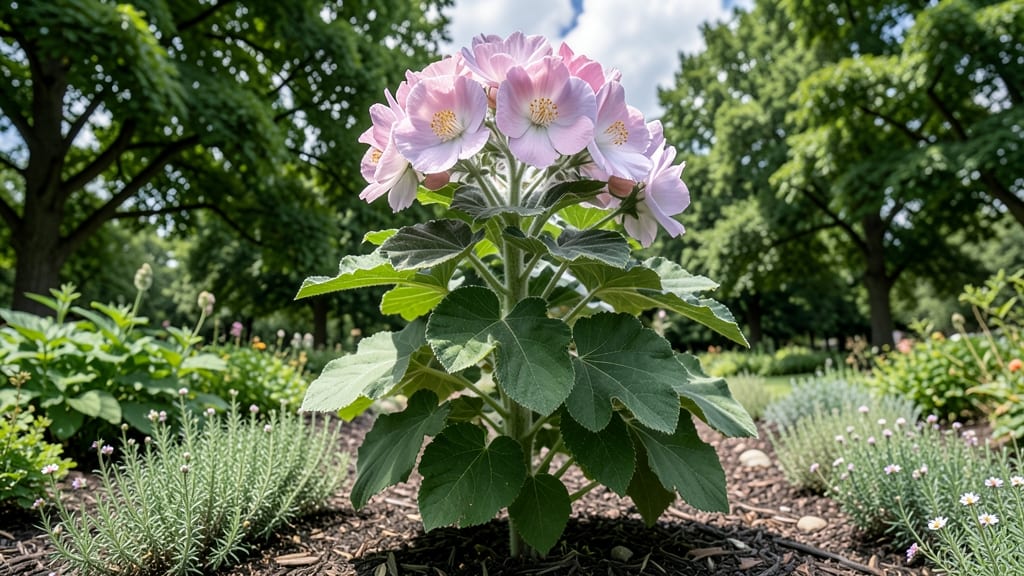
Marshmallow plant identification can be tricky—especially when distinguishing them from toxic lookalikes like foxglove or deadly nightshade. 🌿 The key lies in their soft, fuzzy leaves, pale pink flowers, and tall, slender stems that reach 3-5 feet. These plants thrive in damp meadows and riverbanks, often growing in clusters where moisture lingers.
Start by checking the leaves: marshmallow plants have broad, velvety foliage with a slightly wrinkled texture, while toxic lookalikes like foxglove (Digitalis) have narrow, pointed leaves arranged in a spiral pattern.
The flowers are another clue—marshmallow blooms are delicate, five-petaled, and grow in clusters along the stem, never in bell-shaped clusters like foxglove.
For extra certainty, rub a leaf between your fingers: marshmallow leaves feel soft and slightly sticky, almost like a marshmallow itself. If you're still unsure, snap a photo and compare it to field guides or use plant ID apps like iNaturalist or PlantNet.
When in doubt, consult a local botanist or extension service—they can confirm with a quick field visit.
Once you’ve confirmed it’s the real deal, you’ll know you’ve found a plant with centuries of medicinal and culinary uses. Just avoid the roots if you’re unsure—while the leaves and flowers are edible when properly prepared, the roots require careful handling to remove potential irritants safely.
Root Causes of Misidentification
Misidentifying marshmallow plants—whether wild or cultivated—often stems from a mix of botanical similarities, environmental factors, and human error. Below, we break down the key reasons why even experienced gardeners or foragers might struggle to distinguish between edible and toxic look-alikes.
Marshmallow plants (Althaea officinalis) share striking similarities with other members of the Malvaceae family (like hibiscus or hollyhocks) and even non-toxic wildflowers such as **mallow (Malva neglecta) or musclewood (Quamoclit pennata). Here’s why this causes confusion:
- Leaf Shape & Arrangement: - Marshmallow leaves are palmately lobed (3–7 rounded segments) and alternate along the stem, just like common mallow or false mallow (Sida spinosa).
The key difference? Marshmallow leaves are slightly fuzzy (pubescent) and have a distinctive veining pattern** that’s less pronounced in toxic doppelgängers. - Actionable Tip: Rub a leaf between your fingers—marshmallow leaves feel velvety, while toxic look-alikes (e.g., jimsonweed) are smoother or hairless.
- Flower Resemblance: - Both edible and toxic plants in the Malvaceae family produce solitary, five-petaled flowers in shades of pink, white, or purple. Jimsonweed (Datura stramonium), a highly toxic imposter, mimics this with its trumpet-shaped blooms—but its leaves are deeply lobed and serrated, and it lacks the fuzzy texture. - Pro Tip: Smell the flower.
Marshmallow has a mild, slightly sweet scent, while jimsonweed emits a foul, rotting odor when crushed.
- Root & Stem Confusion:
- The thick, taproot of marshmallow is its most prized part, but so are the fibrous roots of musclewood vine, which are edible but lack the same mucilaginous properties. **Toxic look-alikes like comfrey (Symphytum officinale) also have thick roots but are deep blue-green (not white or tan) and grow in clumps, not solitary stems.
Where and how a marshmallow plant grows can drastically alter its appearance, making identification harder—especially in wild or hybridized settings.
| Factor | Edible Marshmallow | Toxic Look-Alikes |
|---|---|---|
| Habitat | Prefers moist, well-drained soil near water sources (ponds, streams). | Jimsonweed thrives in disturbed, dry soil; comfrey loves rich, nitrogen-heavy gardens. |
| Height & Spread | Grows 2–4 feet tall, bushy with hairy stems. | Musclewood vine is a twining climber (not upright); false mallow stays low to the ground. |
| Seasonal Changes | Leaves yellow and wilt in frost; flowers bloom June–August. | Jimsonweed flowers open at night (not daytime) and persist into fall**. |
- Key Takeaway: If you spot a tall, fuzzy-stemmed plant with palmate leaves in a dry, sunny spot, it’s more likely jimsonweed—do not ingest. Marshmallow avoids full sun and requires consistent moisture.
Even with a guide, mistakes happen. Here’s how cognitive biases and oversights lead to misidentification:
- Relying on Color Alone:
- Both edible and toxic plants can have pink or white flowers. Jimsonweed’s flowers start purple and fade to white, while marshmallow stays soft pink or lavender.
- Solution: Check the entire plant—not just the blooms.
- Ignoring the Root Test: - The only foolproof way to confirm edible marshmallow is the root texture test: 1. Scrape a small section of the root with your fingernail. 2. Edible roots produce a thick, gel-like mucus when moistened.
- Toxic roots (e.g., comfrey) do not—they may be fibrous but lack mucilage. - Warning: Never eat a plant without this test—some toxic species (like water hemlock) can be fatal even in small doses.
- Seasonal Misjudgment:
- Young marshmallow sprouts look like dandelion greens in spring. Harvesting too early (before leaves fully unfurl) can lead to bitter, underdeveloped foliage—a red flag for toxicity.
- Rule of Thumb: Wait until leaves are fully lobed and fuzzy before consuming.
- Cultivated vs. Wild Strains:
- Garden-grown marshmallow (Althaea officinalis) is non-toxic when properly identified, but wild hybrids (e.g., crosses with hollyhocks) may have variegated leaves or unusual growth patterns.
- Action Step: Stick to named cultivars if foraging—wild plants are riskier.
- Invasive Imposters: - **Purple loosestrife (Lythrum salicaria) and cattail (Typha spp.) can grow near marshmallow habitats.
While not directly toxic, their root structures mimic marshmallow’s taproot**, leading to accidental harvests. - Quick ID: Cattails have sword-like leaves; loosestrife has square stems and whorled leaves.
Marshmallow plant misidentification boils down to three core challenges:
- Nature’s Copy-Paste: Evolutionarily, toxic and edible plants evolved to look alike to deter predators (or attract pollinators).
- Human Shortcuts: We often skip critical steps (like the root test) for convenience.
- Environmental Masquerading: A plant’s location, season, or hybrid status can alter its appearance drastically.
The Fix? Combine visual checks, tactile tests (touch/smell), and root analysis—never rely on one trait alone. When in doubt, consult a local foraging expert or use a field guide with photos of both edible and toxic species.
Fixing Common Marshmallow Plant Issues
Marshmallow plants (Althaea officinalis) are prized for their soothing properties and delicate blooms, but like any garden star, they can face challenges. Whether it’s pests, diseases, or environmental stress, here’s how to diagnose and solve the most common problems—plus tips to keep your marshmallow thriving.
If your marshmallow plant looks chewed, wilted, or has strange holes, pests might be the culprit. Here’s how to tackle them:
🔥 Aphids or Spider Mites
Signs: Sticky residue (honeydew), curled leaves, or fine webbing. Fix:
- Spray with soapy water (1 tsp mild dish soap + 1 quart water) to dislodge them. 💦
- Introduce beneficial insects like ladybugs or lacewings—they’re natural predators.
- Neem oil spray (2 tsp neem oil + 1 tsp soap per quart of water) can smother them in 2–3 applications.
Prevention:
- Inspect new plants before bringing them home.
- Encourage airflow by spacing plants properly (18–24 inches apart).
- Use reflective mulch to deter spider mites.
🐛 Slugs and Snails
Signs: Ragged leaf edges, slimy trails, or missing sections of foliage. Fix:
- Set beer traps (bury a shallow dish filled with beer near the plant—slugs will drown in it). 🍺
- Handpick at night when they’re most active (wear gloves!).
- Copper tape barriers create a mild electric shock slugs avoid.
Prevention:
- Remove hiding spots like thick mulch or debris.
- Plant slug-resistant companions like thyme or marigolds nearby.
Marshmallow plants love moisture but can suffer in extreme heat, drought, or poor soil.
💧 Overwatering or Root Rot
Signs: Yellowing leaves, mushy stems, or a foul smell at the base. Fix:
- Stop watering immediately and let the soil dry out.
- Repot in fresh, well-draining soil (mix garden soil with perlite or sand).
- Ensure pots have drainage holes to prevent soggy roots.
Prevention:
- Water only when the top 1–2 inches of soil are dry.
- Avoid soggy clay soil—marshmallow prefers loamy, slightly alkaline conditions (pH 6.5–7.5).
☀️ Heat or Drought Stress
Signs: Crispy leaf edges, wilting, or stunted growth. Fix:
- Move potted plants to partial shade during peak afternoon sun.
- Mulch with straw or wood chips to retain moisture.
- Deep water in the morning (1–1.5 inches per week) to encourage root growth.
Prevention:
- Choose a location with morning sun and afternoon shade.
- Group plants together to create a microclimate with shared moisture.
Marshmallow plants in humid conditions can develop powdery mildew or leaf spot.
🌡️ Powdery Mildew
Signs: White, powdery coating on leaves. Fix:
- Spray with a baking soda solution (1 tsp baking soda + 1 quart water + a drop of soap).
- Prune affected leaves and dispose of them (don’t compost).
- Improve airflow by thinning dense foliage.
Prevention:
- Water at the base (avoid wetting leaves).
- Space plants 18–24 inches apart for better air circulation.
🍄 Leaf Spot or Rust
Signs: Brown spots, yellowing, or orange pustules on undersides of leaves. Fix:
- Remove infected leaves and sterilize pruners with rubbing alcohol.
- Apply copper fungicide (follow label instructions).
- Avoid overhead watering to reduce spore spread.
Prevention:
- Rotate crops if growing marshmallow in the same spot yearly.
- Clean garden tools regularly to prevent disease spread.
- Fertilize lightly in spring with compost or a balanced 10-10-10 fertilizer.
- Deadhead spent blooms to encourage more flowers and reduce stress.
- Monitor soil pH—marshmallow prefers slightly alkaline soil (test kits are cheap and easy to use).
By addressing issues early and adjusting care, your marshmallow plant will reward you with lush growth and beautiful blooms—plus, you’ll avoid the heartbreak of losing it to pests or disease. Happy gardening! 🌿
Frequently asked questions
How can I tell if my fuzzy-leafed plant is really a marshmallow plant?
Look for five-petaled pink flowers in clusters along the stem and palmately lobed leaves with a velvety texture. The key test: scrape the root—if it produces a thick, gel-like mucus when moistened, it’s the real deal. Avoid plants with smooth leaves or trumpet-shaped blooms (like jimsonweed).
Are all parts of the marshmallow plant edible?
Only the leaves and flowers are safe to eat raw or cooked, while the roots require careful preparation to remove irritants. Never consume the roots without the mucus test—some toxic lookalikes (like comfrey) mimic its appearance but lack the gel-like properties.
What’s the best way to confirm identification if I’m unsure?
Use a plant ID app like iNaturalist or PlantNet, then cross-check with a field guide. For extra certainty, consult a local botanist or extension service—they can verify with a quick field visit. Avoid relying solely on photos or descriptions.
Can I grow marshmallow plants in containers?
Yes! Use a well-draining pot with loamy, slightly alkaline soil (pH 6.5–7.5). Place in morning sun with afternoon shade, and water when the top 1–2 inches of soil dry out. Ensure pots have drainage holes to prevent root rot.
Why do some marshmallow plants have variegated leaves?
Variegation often occurs in hybridized or cultivated varieties, not wild marshmallow. While usually harmless, variegated plants may have slightly different growth patterns or reduced vigor. Stick to named cultivars if foraging for edible use—wild hybrids can be riskier.