
Planting
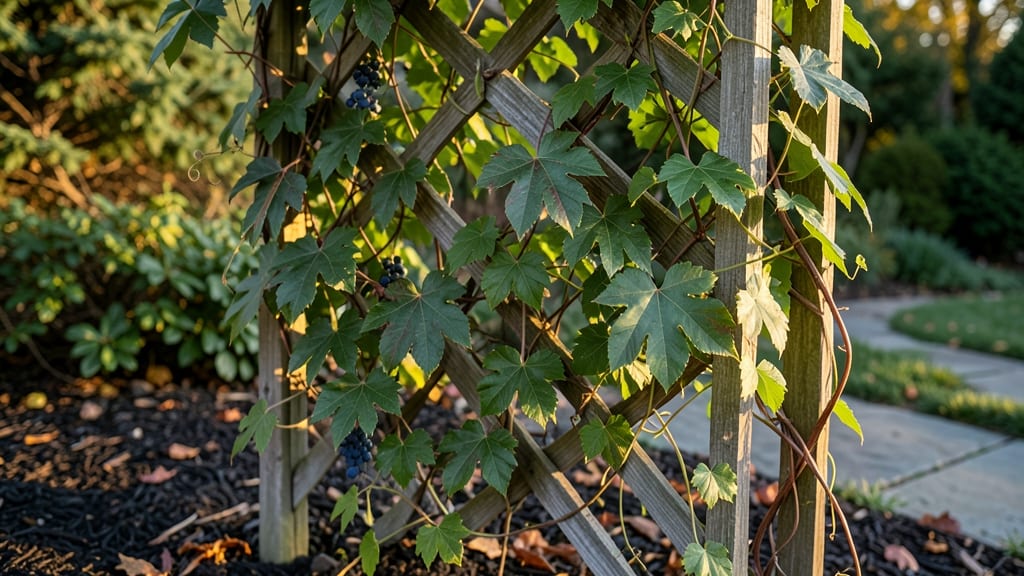
Michigan wild vines bring untamed beauty to your landscape while supporting local wildlife. 🌿 These hardy climbers thrive in our cold winters and humid summers, offering year-round interest with their lush foliage, delicate flowers, and persistent seed pods.
I’ve spent years watching them transform bare walls and fences into vibrant green tapestries—without any extra effort from me. Native species like Virginia creeper and trumpet honeysuckle are perfect for gardeners who want low-maintenance, eco-friendly plants.
They adapt to almost any soil type, from sandy lake shores to rocky forest edges, and love full sun to partial shade. The key is letting them grow naturally—pruning only to control their spread or shape them along trellises.
You’ll end up with a living screen that hums with pollinators in summer and provides food for birds in fall. The deep red leaves of Virginia creeper turn stunning in autumn, while honeysuckle’s fragrant blooms attract hummingbirds all season.
These vines do the work of beautifying your yard while giving back to Michigan’s ecosystems. Whether you’re restoring a natural area or adding texture to your garden, these wild climbers are a game-changer. They’re tough enough to handle Michigan’s unpredictable weather and resilient enough to outlast many cultivated plants.
Let’s get them growing!
📚 In This Guide
- What you need
- Instructions
- Tips and common mistakes
- Wrapping up and next steps
What you need
- ● Wild Vine Plants: 1–3 Virginia Creeper (Parthenocissus quinquefolia) or Trumpet Honeysuckle (Lonicera sempervirens) (choose based on sun exposure and soil type).
- ● Size: 1-gallon pots (easier to establish) or bare-root plants (budget-friendly).
- ● Soil Amendments (if needed): 5 lbs compost or well-rotted manure (for nutrient-poor soil).
- ○ 1 lb bone meal (optional, for phosphorus boost).
- ● Support Structure: Trellis, fence, or arbor (6–10 ft tall, depending on vine maturity).
- ● Twine or soft ties (to secure young vines).
- ● Watering Supplies: Garden hose with soaker hose attachment (for deep watering).
- ● 5-gallon watering can (for hand-watering seedlings).
- ● Tools: Trowel or transplant spade (for digging).
- ● Pruning shears (sterilized, for shaping).
- ● Gloves (to protect from thorns, especially Virginia Creeper).
- ● Mulch: 2–3 inches of wood chips or straw (retains moisture, suppresses weeds).
- ● Fertilizer: Balanced 10-10-10 granular fertilizer (apply sparingly in early spring).
- ● Pest Control: Neem oil spray (for aphids or spider mites).
- ● Season Extenders: Frost cloth (for young plants in late spring/early fall).
- ● Row covers (if growing edible honeysuckle varieties).
- ● Decorative Touches: Climbing-friendly solar lights or ornamental hooks.
- ● Bird feeders (to attract pollinators and deter pests!).
Step-by-step guide to cultivating Michigan wild vines
Michigan’s native vines thrive in our climate—here’s how to grow four cold-hardy varieties that bring beauty year-round.
🌱 Step 1: Choose and Prepare Vine Varieties for Michigan’s Climate
Start with Virginia creeper (Parthenocissus quinquefolia), wild grape (Vitis spp.), trumpet honeysuckle (Lonicera sempervirens), or climbing hydrangea (Hydrangea petiolaris)—all proven to handle Michigan’s winters. Virginia creeper, in particular, turns brilliant red in fall and stays evergreen in milder winters, while wild grape provides both foliage and fruit for wildlife.
Purchase bare-root plants in early spring (March-April) or container-grown vines anytime. If planting bare-root, soak roots in lukewarm water for 1-2 hours before handling. This jumpstarts growth and prevents shock. For container plants, check roots—if they’re circling the pot, gently tease them apart to encourage outward spread.
☀️ Step 2: Select Planting Sites with Sun and Support
Most Michigan wild vines need full sun to partial shade (6+ hours of direct light daily) for best growth, though climbing hydrangea tolerates morning sun and afternoon shade. Avoid low-lying areas where frost collects—these vines handle cold but not prolonged soil saturation.
Install trellises, arbors, or sturdy fences before planting. Virginia creeper and wild grape can climb 20-30 feet if given support, while trumpet honeysuckle stays more compact (8-10 feet). Use galvanized metal or rot-resistant wood for longevity. Bury trellis posts at least 1 foot deep to prevent wind rock.
💧 Step 3: Plant and Water for Establishment
Dig holes twice as wide as the root ball but only as deep. Amend native soil with 2-3 inches of compost mixed into the bottom of the hole—Michigan’s clay-heavy soil drains poorly, and vines hate soggy roots. Place the vine so the graft union (if present) sits 2-3 inches above soil level to prevent rot.
Water deeply at planting, then once weekly for the first month, checking that top 2 inches of soil stay moist but not waterlogged. Mulch with 2-3 inches of wood chips around the base (keep mulch 3 inches away from stems to prevent rot). This mimics Michigan’s forest floor and conserves moisture during summer droughts.
✂️ Step 4: Prune for Structure and Winter Hardiness
Prune late winter (February-March) before new growth starts. Remove dead, diseased, or crossing branches first—this improves airflow and reduces pests. For Virginia creeper, cut back one-third of the oldest stems each year to encourage new growth. Wild grape vines benefit from light pruning in early spring to shape them along the trellis.
Never prune in fall—new growth won’t harden off before winter, and Michigan’s frosts will damage tender shoots. If a vine dies back completely in winter, don’t panic—many Michigan natives resprout from the base in spring. Watch for new shoots emerging by late April as your cue to stop worrying.
🪴 Step 5: Maintain for Long-Term Health and Wildlife Benefits
Fertilize once in early spring with balanced 10-10-10 (follow package rates). Michigan’s native vines don’t need heavy feeding—too much nitrogen encourages weak growth that struggles in winter. Instead, top-dress with compost annually in spring to replenish soil.
Monitor for Japanese beetles (on roses) or spider mites (in hot, dry summers)—a strong spray of water usually knocks them off. Wild grape vines also attract birds and butterflies, so avoid pesticides if you want to support local wildlife. By fall, let leaves stay on vines (like Virginia creeper’s red foliage) for winter interest—just rake up debris in late winter to prevent disease.
Tips & tricks for cultivating Michigan wild vines
These practical tricks will help your Michigan wild vines thrive year after year with minimal fuss.
Root Preparation Matters: When you soak bare-root plants for 1-2 hours before planting, use lukewarm water—not cold tap water. Cold water shocks the roots, while lukewarm water mimics spring soil temperatures and jumpstarts growth. I also add a splash of unflavored liquid seaweed extract (optional) to boost root development—this isn't required but gives a nice growth boost in Michigan's cool springs.
Sunlight Strategy: For Virginia creeper and wild grape, aim for the south or west side of your property where they'll get the most afternoon sun. If you're planting trumpet honeysuckle, morning sun with afternoon shade works best—this prevents leaf scorch during Michigan's intense summer afternoons. I've seen vines struggle when planted in full shade, even though they're hardy—they just grow more slowly without enough light.
Support System: When installing trellises, use three posts for larger vines like Virginia creeper instead of just two corners. This creates a more stable structure that won't sag under Michigan's heavy snow loads. For wild grape vines, add horizontal wires every 2 feet up the trellis—they'll use these to climb and produce more fruit. I've had to replace flimsy trellises after our first winter storms, so invest in sturdy materials from the start.
Winter Survival Tip: In late fall, after your vines have died back, wrap the base with 2-3 inches of straw mulch (keep it away from the stems). This extra insulation helps protect against Michigan's temperature swings and prevents frost heave that can damage roots. I've noticed vines with this extra protection bounce back faster in spring, especially in northern Michigan where winters are harsher.
Pro Tips for Michigan Wild Vines
- These practical tricks will help your Michigan wild vines thrive year after year with minimal fuss.
- Root Preparation Matters: When you soak bare-root plants for 1-2 hours before planting, use lukewarm water—not cold tap water.
- Sunlight Strategy: For Virginia creeper and wild grape, aim for the south or west side of your property where they'll get the most afternoon sun.
Frequently asked questions
Got questions about growing Michigan wild vines? You’re not alone!
Here are answers to the most common queries—from planting to troubleshooting—so you can enjoy these hardy climbers with confidence.
When is the best time to plant Michigan wild vines?
Plant wild grapes, Virginia creeper, or trumpet honeysuckle in early spring (after the last frost) or fall (4-6 weeks before the first frost). This gives roots time to establish before extreme temperatures. Spring planting offers a head start, while fall reduces competition for water.
Are Michigan wild vines invasive? Should I remove them?
Some native vines like Virginia creeper (Parthenocissus quinquefolia) are non-invasive and even beneficial for wildlife. However, bittersweet (Celastrus scandens) can spread aggressively—opt for native alternatives if invasiveness is a concern. Always check local regulations before removal.
How cold-hardy are these vines? Will they survive Michigan winters?
Michigan wild vines are extremely cold-hardy! Most thrive in USDA Zones 3-7, withstanding temps as low as -30°F (-34°C). Prune in late winter to protect tender growth, but established vines rarely need winter care. Mulch young plants for extra protection.
Can I grow wild vines in containers? What’s the best setup?
Yes! Use a large container (15+ gallons) with drainage holes and a well-draining mix (50% potting soil, 30% compost, 20% perlite). Train vines with a trellis or obelisk and water deeply 2-3 times weekly. Dwarf varieties like winter grape (Vitis vulpina) work best in pots.
Why are my wild vines wilting or turning yellow? Troubleshooting tips.
Wilting or yellowing often signals:
- Overwatering: Let soil dry between waterings—root rot is a common killer.
- Underwatering: Drip irrigation or soaker hoses help during dry spells.
- Pests: Spider mites or aphids suck sap—spray with neem oil or introduce ladybugs.
- Nutrient deficiency: Feed with a balanced fertilizer (10-10-10) in spring.
Pro Tip:
For year-round interest, pair wild vines with evergreens like arborvitae or holly. Their contrasting textures create a stunning Michigan landscape—no dead winter zones here!
Wrapping up and next steps
Michigan’s wild vines—like Virginia creeper, trumpet honeysuckle, and clematis—offer stunning year-round beauty with minimal fuss. These cold-hardy climbers thrive in the Great Lakes’ climate, adding vibrant foliage, fragrant blooms, and even wildlife-friendly habitats to your garden.
Whether you’re a seasoned gardener or just starting, their resilience and adaptability make them a perfect choice for effortless elegance.
Ready to transform your space? Start small—plant a single vine in a sunny spot, experiment with trellises, and watch your garden flourish! 🌿 For even more inspiration, explore Michigan Native Plant Society resources or join local gardening groups to share tips and triumphs.