
Planting
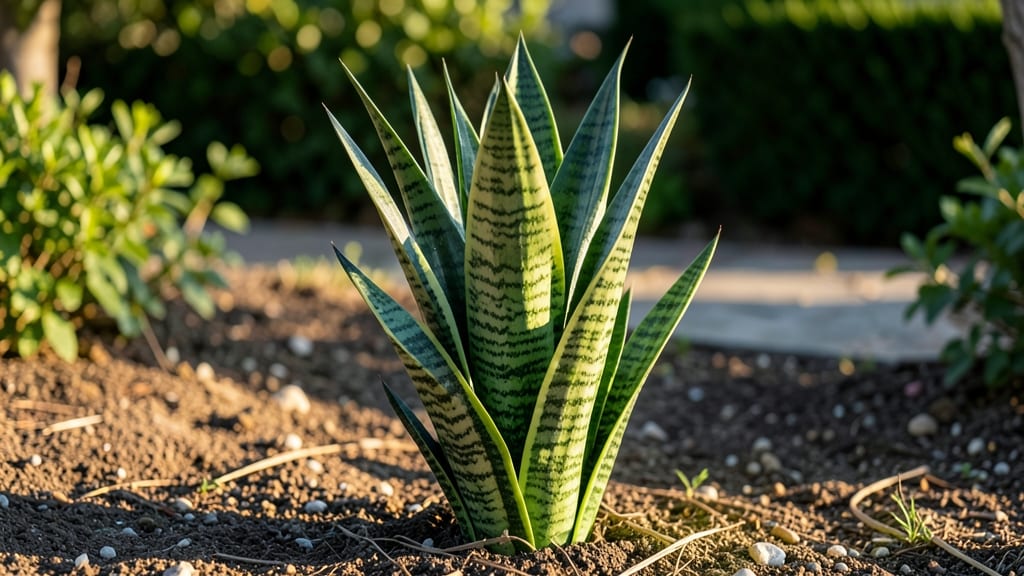
Growing a mother-in-law tongue plant (Sansevieria trifasciata) outdoors transforms any space with its striking, heat-loving foliage. 🌿 I’ve nurtured these plants through scorching summers and learned the exact conditions they crave—bright light, well-draining soil, and minimal fuss.
The key is matching their natural resilience to your climate, whether you’re in a hot desert or a mild coastal zone.
This plant thrives in full sun to partial shade, making it perfect for sunny patios, container gardens, or even as a bold border plant. The soil mix should be fast-draining—think cactus or succulent blend—to prevent root rot, and temperatures above 50°F keep it happy year-round.
Water only when the soil is bone-dry, typically every 2-3 weeks, and watch it reward you with thick, upright leaves that glow under the sun.
Outdoor mother-in-law tongue plants grow 2-3 feet tall and wide, but they’re slow and steady, making them ideal for low-maintenance gardens. They’re also drought-tolerant once established, so they’ll outlast many trendy annuals.
The real magic happens in summer when their dark green and yellow stripes catch the light, creating a dramatic focal point that’s impossible to ignore.
Common challenges like frost or overwatering are easy to avoid with the right prep. Move potted plants indoors before temperatures dip below 40°F, and use containers with drainage holes to prevent soggy roots.
With these simple steps, your mother-in-law tongue will flourish outdoors for years, proving that bold foliage doesn’t require constant attention.
📚 In This Guide
- What you need
- Instructions
- Tips and common mistakes
- Wrapping up and next steps
What you need
- ● Mother-in-Law Tongue Plant: 1-3 mature plants (depending on desired size and spacing). Choose healthy, upright varieties like 'Laurentii' or 'Futura Superba' for bold foliage.
- ● Well-Draining Soil: 1 bag (50 lbs) of cactus or succulent mix (or amend garden soil with perlite/coarse sand at a 1:1 ratio for outdoor beds).
- ○ Pot (Optional for Container Growing): 1-2 terracotta or ceramic pots (12–18 inches in diameter) with drainage holes, or
- ● 1 raised garden bed (minimum 6 inches deep) for in-ground planting.
- ● Drainage Layer (For Pots): 1–2 inches of gravel, pumice, or lava rocks per pot.
- ● Slow-Release Fertilizer: 1 cup of balanced, organic fertilizer (5-5-5 or 10-10-10 NPK ratio).
- ● Gloves: 1 pair of gardening gloves (to protect from sharp leaf edges).
- ● Trowel or Shovel: 1 medium-sized tool for digging.
- ● Watering Can or Hose with Showerhead: For gentle hydration (avoid soggy soil!).
- ○ Mulch (Optional): 2–3 inches of gravel or pebbles to retain moisture and deter weeds (skip if using pots).
- ○ Stakes or Supports (Optional): For tall varieties like 'Moonshine' to prevent flopping in windy areas.
Step-by-step guide to establishing mother-in-law tongue plants outdoors
Here's how to plant and nurture these striking succulents for vibrant, drought-resistant foliage that thrives in full sun.
🌱 Step 1: Select the Perfect Planting Location
Mother-in-law tongue plants—also called snake plants (Sansevieria)—thrive in bright, indirect to full sun with at least 4-6 hours of direct sunlight daily. Choose a spot with well-draining soil, as these plants despise soggy roots. I always look for areas with natural drainage or slightly elevated ground to prevent waterlogging.
If your climate has intense afternoon sun, position the plants slightly east or west of the hottest spot to avoid leaf scorch. You'll know you've picked the right location when the foliage stays upright and vibrant rather than wilting or turning yellow. Avoid low-lying areas where cold air collects, as snake plants are sensitive to frost.
🪴 Step 2: Prepare the Soil and Planting Site
Amend the native soil with a cactus or succulent mix to improve drainage—these plants need soil that dries out quickly between waterings. I typically blend equal parts native soil and the specialty mix, then add a handful of perlite or coarse sand per planting hole to further enhance aeration. This ensures excess water drains away rather than pooling around the roots.
Dig a hole just slightly larger than the plant's root ball—about 2-3 inches deeper and wider—to encourage root expansion without burying the base too deeply. Gently loosen the roots if they're tightly bound, then place the plant in the hole and backfill with the amended soil. Press lightly around the edges to eliminate air pockets, but don't compact the soil too firmly.
☀️ Step 3: Establish the Plant and Initial Watering
After planting, water deeply to settle the soil and encourage root contact with the surrounding mix. You'll want to moisten the soil to a depth of about 6-8 inches, but avoid creating a soggy mess. Let the water drain completely before adding more—snake plants are succulents and store water in their leaves, so they don't need frequent watering.
Wait 7-10 days before watering again, allowing the top 2-3 inches of soil to dry out completely. This initial dry-down period helps prevent root rot, a common issue with newly planted succulents. During this time, the plant will focus on establishing roots rather than growing foliage, which is exactly what you want for a strong start.
💧 Step 4: Maintain Through the First Growing Season
Once established, water only when the soil is completely dry to the touch—typically every 2-4 weeks, depending on your climate. In hot, dry summers, you might water monthly, while cooler seasons may require less frequent watering. Overwatering is the fastest way to kill a snake plant, so err on the side of underwatering rather than overdoing it.
Fertilize lightly in spring and summer with a balanced, diluted succulent fertilizer (half-strength) every 6-8 weeks
Remove any yellow or damaged leaves by cutting them at the base with clean, sharp scissors. This keeps the plant looking tidy and prevents pests from hiding in dead foliage. If your snake plant becomes overcrowded—typically after 2-3 years of growth—dig it up and divide the rhizomes in early spring. Each division should have at least 3-4 leaves to ensure strong regrowth. Replant the divisions immediately in fresh, well-draining soil. You'll see new growth within 4-6 weeks if the divisions are healthy. This pruning and division process not only rejuvenates the plant but also gives you extra specimens to share or expand your collection. Just be sure to handle the rhizomes gently to avoid damaging the roots.✂️ Step 5: Prune and Divide for Long-Term Health
Tips & tricks for perfect mother-in-law tongue plant establishment
These practical insights will help your snake plants thrive outdoors with minimal fuss—once you know the secrets.
Location Intelligence: The 4-6 hours of direct sunlight requirement is non-negotiable, but here's the pro move: position your plants so they receive morning sun and afternoon shade in hot climates. I've seen snake plants in full afternoon sun develop brown tips within weeks—it's the UV intensity that causes the damage. If you're in a frost-prone area, wait until after the last frost date (usually late spring) to plant, as these tropical natives can't tolerate temperatures below 50°F.
Soil Science: That cactus/succulent mix blend is your best friend, but here's what nobody tells you—add a 20% perlite-to-soil ratio for the first year to prevent compaction. I've noticed plants in pure native soil develop shallow root systems that can't support the plant's upright growth. The extra aeration from perlite encourages deeper root penetration, which translates to stronger, more resilient plants that handle drought better.
Watering Wisdom: The 7-10 day initial watering window might feel long, but trust me on this: this dry-down period is when your plant's roots establish the critical connection with the soil. If you water too soon, you'll create anaerobic conditions that suffocate new root growth. After that first watering, stick your finger 2 inches into the soil—if it's dry, it's time. The top inch might feel dry while deeper moisture remains, which is exactly how snake plants naturally store water in their leaves.
Long-Term Care: That 6-8 week fertilization schedule is perfect, but here's the upgrade: use a fertilizer with higher potassium content (look for a 5-10-10 ratio) to strengthen those architectural leaves. I've found plants fertilized with this ratio develop leaves that stay upright for years without flopping. And when you do fertilize, apply it to moist (not wet) soil—this prevents fertilizer burn on sensitive roots.
Pro Tips for Mother In Law Tongue Plant Outdoors
- These practical insights will help your snake plants thrive outdoors with minimal fuss—once you know the secrets.
- Location Intelligence: The 4-6 hours of direct sunlight requirement is non-negotiable, but here's the pro move: position your plants so they receive morning sun and afternoon shade in hot climates.
- Soil Science: That cactus/succulent mix blend is your best friend, but here's what nobody tells you—add a 20% perlite-to-soil ratio for the first year to prevent compaction.
Frequently asked questions
about growing Mother-in-Law Tongue (also called Sansevieria or "snake plant") outdoors—because even the hardiest plants need a little TLC! Here are answers to the most common queries to help your plant thrive in your outdoor space.Can Mother-in-Law Tongue survive freezing temperatures?
While this plant is drought-tolerant and thrives in heat, it’s not frost-hardy. If temperatures drop below 40°F (4°C), move it indoors or protect it with frost cloth. In warmer climates, it can stay outside year-round, but colder zones may need winter care.
How often should I water my outdoor Mother-in-Law Tongue?
Watering is key—overwatering kills it faster than underwatering! Let the soil dry out completely between waterings (usually every 2-4 weeks, depending on heat and humidity). Stick your finger 2 inches deep; if it’s dry, it’s time to water. Pro tip: Use well-draining soil and a pot with drainage holes to prevent root rot.
Is Mother-in-Law Tongue toxic to pets or kids?
Yes, this plant is mildly toxic to cats, dogs, and humans if ingested. It can cause nausea, vomiting, or an upset stomach. Keep it out of reach of curious pets or small children. If ingestion occurs, contact a vet or poison control center immediately.
Can I grow Mother-in-Law Tongue in full sun or shade?
This plant is versatile but prefers bright, indirect light. In hot climates, morning sun + afternoon shade is ideal to prevent leaf scorch. It can tolerate low light but may grow slower and lose its vibrant stripes. Pro tip: If leaves turn yellow, it’s getting too much direct sun!
How do I propagate my Mother-in-Law Tongue outdoors?
Propagation is easy! Simply snip a healthy leaf at the base, let it callus for a day, then plant it in well-draining soil. Keep it lightly moist (not soggy) until roots form—usually in 4-6 weeks. You can also divide mature clumps by separating pups (baby plants) at the base. Pro tip: Use rooting hormone for faster success!
What pests should I watch for, and how do I treat them?
Mother-in-Law Tongue is pest-resistant, but you might spot spider mites or mealybugs in dry conditions. Wipe leaves with a damp cloth and spray with neem oil or insecticidal soap. Pro tip: Increase humidity or mist leaves to deter pests naturally.
Wrapping up and next steps
Growing a mother-in-law tongue plant outdoors is a rewarding way to add bold, heat-loving foliage to your garden! 🌿 With the right sunlight, soil, and care, this striking plant will thrive and bring drama to your landscape.
Whether you’re a seasoned gardener or just starting, this guide gives you everything you need to succeed.
Now that you’re armed with tips and answers to common questions, it’s time to roll up your sleeves and plant! Start by choosing the perfect spot, prep your soil, and watch your mother-in-law tongue flourish. Happy gardening—your outdoor space will thank you! 🌞