
Planting
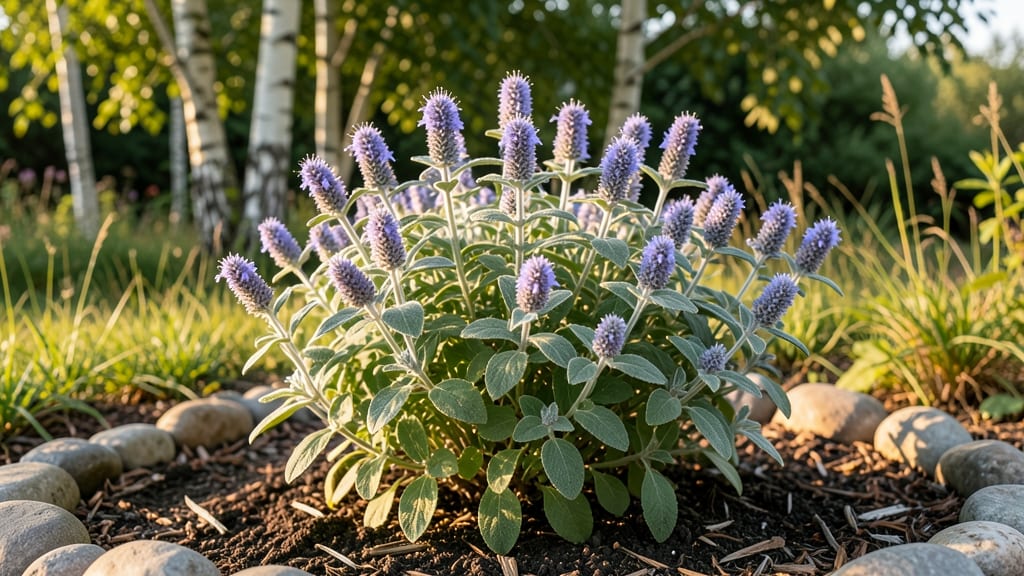
Growing nepeta catnip plant means your garden will buzz with pollinators and your cat will lose its mind in the best way. 🌿 I’ve watched mine go from a few scraggly stems to a lavender-blanketed perennial that thrives year after year with almost no effort.
The secret? Understanding what this hardy herb truly needs to flourish—and how to keep it from becoming a cat jungle. This isn’t some finicky annual that wilts at the first sign of neglect.
Nepeta cataria thrives in zones 3-9, handles drought once established, and even grows well in containers if your yard space is limited. The key is matching its love of sunny spots (at least 6 hours of light daily) with well-draining soil—no fancy amendments needed.
Just loosen the earth, add a sprinkle of compost, and let nature take over. By midsummer, you’ll have a fragrant, silvery-green plant covered in tiny purple blooms that cats can’t resist. The best part? It self-seeds like crazy, so you’ll get free plants for years to come.
Just be prepared for your feline overlord to claim it as their personal playground. Whether you’re growing it as a cat toy, a pollinator magnet, or just for the pretty blooms, this plant delivers on all fronts. Here’s how to keep it happy—and your cat even happier.
📚 In This Guide
- What you need
- Instructions
- Tips and common mistakes
- Wrapping up and next steps
What you need
- ● Nepeta catnip seeds or starter plants: Seeds: 1 packet (typically 500–1,000 seeds) or 1–2 plants from a nursery.
- ● Well-draining potting mix or garden soil: 1 bag (5–10 lbs) of light, sandy loam or a mix of 50% garden soil + 50% perlite/compost.
- ● Containers (if starting indoors): 4–6-inch pots (2–3 per seedling) or seed trays with drainage holes.
- ● Garden space (outdoors): Full sun (6+ hours/day) in a well-draining spot (avoid soggy soil!).
- ● Watering can or hose with a gentle spray nozzle.
- ○ Fertilizer (optional but helpful): Balanced, low-nitrogen fertilizer (e.g., 10-10-10) or compost tea.
- ● Hand trowel or small shovel for transplanting.
- ● Pruning shears (for shaping or harvesting).
- ● Mulch (straw or shredded bark) to retain moisture.
- ● Gloves (to protect hands from prickly stems).
- ● Cat-safe barrier (e.g., chicken wire) if your kitty is too enthusiastic about the fresh leaves! 😼
Step-by-Step instructions for growing nepeta catnip
This fragrant perennial thrives with minimal fuss—here's how to grow it strong for your cats.
🌱 Step 1: Choose the Perfect Planting Spot
Nepeta catnip loves full sun—at least 6 hours daily—and well-draining soil. I always pick a spot with afternoon shade in hot climates to prevent leaf scorch. The plant's silvery foliage and lavender blooms will spread 2-3 feet wide once established, so give it room to grow.
Check your soil's drainage by digging a 6-inch hole and filling it with water. If it drains in under 30 minutes, your soil is perfect. If water pools, amend with 2 inches of compost to improve drainage. I avoid heavy clay spots—catnip hates soggy roots.
🪴 Step 2: Plant at the Right Time and Depth
Spring or early fall are ideal planting times. Dig a hole twice as wide as the root ball but only as deep as the container it came in. Gently remove the plant, loosen its roots if pot-bound, and place it in the hole so the top of the root ball sits just below soil level.
Backfill with native soil, pressing lightly to remove air pockets. Water deeply until the soil is moist 6 inches down. I always mulch with 2 inches of shredded bark to retain moisture and deter weeds. Keep the mulch 3 inches away from the stem to prevent rot.
☀️ Step 3: Water and Feed for Strong Growth
Water catnip once a week during the first growing season, allowing the soil to dry between waterings. Overwatering causes root rot, so I check by sticking my finger 2 inches deep—if it feels dry, it's time to water. Once established, catnip tolerates drought like a champ.
Feed with a balanced 10-10-10 fertilizer in early spring, then switch to a low-nitrogen 5-10-10 once blooming starts. Too much nitrogen makes plants leggy and less fragrant. I always follow package directions—over-fertilizing burns roots.
✂️ Step 4: Prune and Maintain for Year-Round Appeal
Deadhead spent blooms in early summer to encourage a second flush of flowers. I snip just above the first set of leaves with clean pruners. Cut back one-third of the plant after flowering to keep it compact. Never prune into old wood—new growth comes from the current season's stems.
In late winter, trim back any dead or woody stems to 2-3 inches above ground level. This encourages fresh, vibrant growth in spring. I always sterilize my pruners with rubbing alcohol between cuts to prevent disease spread.
🌿 Step 5: Divide and Share Every 3-4 Years
Catnip spreads easily, so divide clumps in early spring when new growth appears. Dig up the plant, separate the roots with your hands or a sharp knife, and replant the best-looking sections. Each division should have 3-5 stems and plenty of roots.
Replant divisions immediately in prepared soil and water thoroughly. I always share extras with cat-loving friends—they'll thank you for the fragrant, cat-approved gift. Dividing keeps your plant vigorous and prevents overcrowding.
Tips & tricks for perfect nepeta catnip growth
Here's what nobody tells you about growing catnip that'll make all the difference for your feline friends.
Sunlight Strategy: In Step 1, when selecting your planting spot, remember that "full sun" means at least 6 hours of direct sunlight—but quality matters more than quantity. Morning sun is gentler, while afternoon sun in hot climates can scorch leaves. I've found that positioning catnip where it gets morning sun and afternoon shade works best in my zone 8 garden.
Soil Test Hack: The 30-minute drainage test in Step 1 is your secret weapon against root rot. If water pools after 30 minutes, you're dealing with heavy clay soil. Instead of just adding compost, I mix in 1 part perlite to 3 parts soil—this creates perfect drainage while still holding enough moisture for those first few weeks.
Pruning Precision: When you're deadheading in Step 4, don't just snip the flowers—look for the first set of leaves below the bloom. Cutting here encourages bushier growth. I always sterilize my pruners between cuts (using rubbing alcohol) to prevent spreading any potential diseases between stems. This simple step keeps your catnip looking fresh and healthy for months.
Fertilizer Timing: The switch from 10-10-10 to 5-10-10 fertilizer in Step 3 is crucial for maintaining that signature catnip fragrance. Too much nitrogen (the first number) makes plants grow fast but lose their aromatic oils. I apply the low-nitrogen fertilizer right when I see the first buds forming—this timing boosts blooms without sacrificing that irresistible scent your cats will love.
Pro Tips for Nepeta Catnip Plant
- Here's what nobody tells you about growing catnip that'll make all the difference for your feline friends.
- Sunlight Strategy: In Step 1, when selecting your planting spot, remember that "full sun" means at least 6 hours of direct sunlight—but quality matters more than quantity.
- Soil Test Hack: The 30-minute drainage test in Step 1 is your secret weapon against root rot.
Frequently asked questions
Got questions about growing nepeta catnip for your feline friends? Here are some of the most common ones—plus quick answers to help you grow this fragrant, cat-approved perennial with ease!
Will any catnip plant work for my cat?
While Nepeta cataria (the true catnip) is the classic choice, some cats also react to Nepeta faassenii or Nepeta mussinii. However, the potency and effects can vary—stick with Nepeta cataria for the most reliable response. Always introduce new plants gradually to monitor your cat’s reaction!
How long does it take for nepeta catnip to grow and bloom?
From seed, expect 6–8 weeks for germination and 60–90 days to reach maturity. Once established, it blooms in late spring to early summer and may rebloom with deadheading. If starting with a nursery plant, you’ll see flowers in the first growing season!
Can I grow nepeta catnip indoors for my cat?
Yes, but with a few tweaks! Place it near a sunny window (6+ hours of light) or under grow lights. Use a well-draining pot and keep soil moist (not soggy). Just remember—indoor catnip may grow slower and weaker than outdoor plants. Rotate pots occasionally for even growth!
What should I do if my cat overindulges in catnip?
While catnip is non-toxic, excessive chewing can cause mild upset stomachs or drooling. Limit access to small amounts (a pinch or two) and supervise playtime. If your cat seems lethargic or vomits, remove the plant and offer fresh water. Most cats bounce back quickly—it’s rare for serious issues!
Are there alternatives to nepeta catnip for cats?
If you’re looking for variety, try silver vine (Actinidia polygama), tatarian honeysuckle (Lonicera tatarica), or valerian root. These plants also trigger playful reactions in many cats. Just test small amounts first—some cats prefer one over another!
Wrapping up and next steps
Growing nepeta catnip is a rewarding way to bring joy to your feline friends and elevate your garden with its fragrant lavender blooms! 🌿 Whether you're a seasoned gardener or just starting out, this hardy perennial offers low-maintenance beauty and endless entertainment for cats. Ready to take the next step?
🌱 Your Next Steps:
- Start small: Try planting a few nepeta catnip varieties in pots or your garden to see what your cat loves best.
- Expand your garden: Use it as a natural, cat-friendly border or companion plant to attract pollinators.
- Share the fun: Invite fellow cat lovers over to admire your thriving nepeta catnip patch!
Happy planting—your cat (and your garden) will thank you! 🐾