
Planting
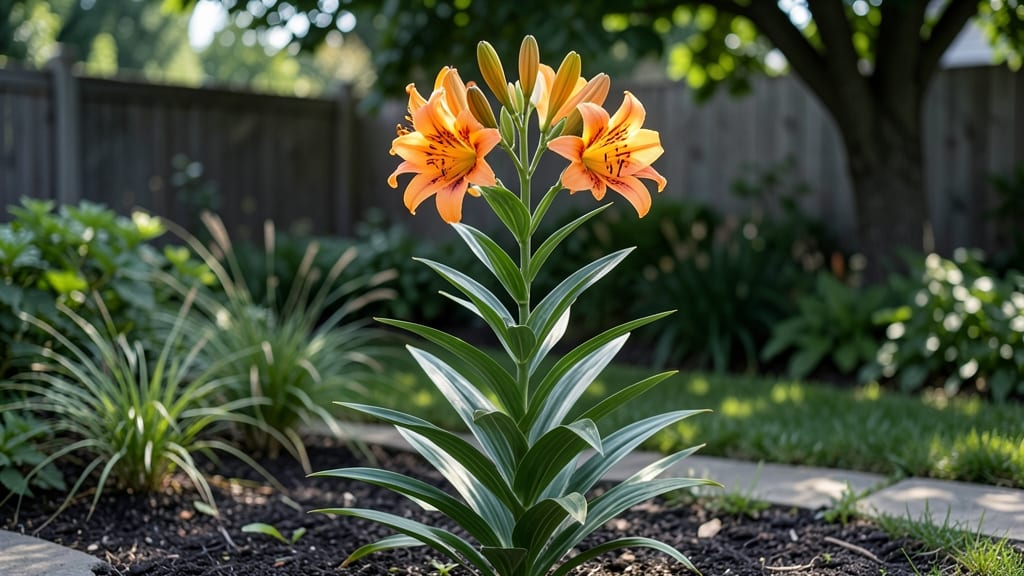
Growing an orange Asiatic lily plant means summer-long drama in your garden—bold blooms that turn heads and fragrance that lingers in the evening air. 🌸 These cold-hardy beauties thrive where others falter, pushing through spring soil just to reward you with 6-inch trumpets of fiery orange by June.
The secret? They love full sun, rich soil, and a little winter nap to recharge. Unlike their Oriental cousins, Asiatics are the easygoing neighbors of the lily world—disease-resistant, deer-resistant, and happy in zones 3-9.
I’ve watched mine bounce back from late frosts and still deliver 10-12 blooms per stem, while other varieties wilt under stress. The trade-off? Their scent fades by midday, but the color? Pure showstopper.
Start with bulbs planted 6 inches deep in well-draining soil, and you’ll see shoots by early spring. Water deeply once a week (more in bloom), and fertilize lightly in early spring—no heavy hand needed.
The real magic happens when you let the foliage yellow naturally; that’s how they store energy for next year’s performance. Mulch in fall to protect roots, and deadhead spent blooms to encourage a second flush. These aren’t just flowers—they’re a statement piece for borders, containers, or cutting gardens.
Ready to grow yours?
📚 In This Guide
- What you need
- Instructions
- Tips and common mistakes
- Wrapping up and next steps
What you need
- ● Orange Asiatic Lily Bulbs: 3–5 bulbs (depending on desired coverage; larger bulbs yield bigger blooms).
- ● Well-draining potting mix or garden soil: 1–2 cubic yards (amend with compost for nutrient-rich soil).
- ● Organic fertilizer (balanced, 10-10-10 or bulb-specific): 1–2 lbs per 10 sq. ft. of planting area.
- ● Mulch (straw, pine needles, or shredded bark): 2–3 inches to retain moisture and regulate temperature.
- ● Watering can or hose with a gentle spray nozzle: For deep, even hydration.
- ● Garden trowel or bulb planter: For precise planting without damaging roots.
- ○ Gloves (optional but recommended): To protect hands from thorns and soil.
- ● Measuring tape or ruler: To space bulbs 6–12 inches apart (depending on variety).
- ● Stakes or cages (for tall varieties): To support stems if needed (e.g., ‘Stargazer’ hybrids).
- ● Slow-release fertilizer tablets: For long-lasting nutrition.
- ● Soil moisture meter: To monitor hydration levels (especially in drought-prone areas).
- ● Decorative rocks or mulch rings: For a polished, low-maintenance look.
- ● Plant markers: To label varieties if mixing colors or types.
Step-by-step guide to planting and cultivating orange Asiatic lilies
Here’s how to grow these vibrant, cold-tolerant beauties with minimal fuss—once established, they’ll reward you for years.
🌱 Step 1: Choose the Perfect Planting Site
Orange Asiatic lilies thrive in full sun—at least 6-8 hours of direct sunlight daily. I always scout the sunniest spot in my garden first, as these lilies won’t tolerate shade. The soil should drain well, too; they hate soggy roots. If your yard has heavy clay, amend the area with 2-3 inches of compost mixed into the top 12 inches of soil.
Here’s the thing—these lilies are cold-hardy, but they still need shelter from harsh winds. Plant them where they’ll get morning sun and afternoon shade if your climate runs hot. Dig a hole twice as wide as the root ball but only as deep as the bulb’s crown (the flat top). Planting too deep buries the growing point and delays blooms.
🪴 Step 2: Plant Bulbs at the Right Depth and Spacing
For 4 plants, you’ll need 4 bulbs spaced 12-18 inches apart in rows 18-24 inches apart. The spacing ensures airflow, reducing fungal diseases like botrytis. I like to plant them in early spring, 2-4 weeks before the last frost, when soil temps hit 60°F. This timing gives roots time to establish before summer heat arrives.
Place each bulb with the pointy end up—this is the shoot. Cover with soil, leaving the crown 1 inch below the surface. Press gently to eliminate air pockets, then water deeply. You’ll know it’s right when the soil feels damp 2 inches down but not waterlogged. Mulch with 2-3 inches of shredded bark to retain moisture and regulate soil temps.
☀️ Step 3: Water and Fertilize for Strong Growth
Water deeply once a week during the first growing season, ensuring moisture reaches 6 inches down. Asiatic lilies are drought-tolerant once established, but young plants need consistent moisture. You’ll see shoots emerge in 2-3 weeks—that’s your signal everything’s working. If the soil feels dry 1 inch below the surface, it’s time to water again.
Feed with a balanced, slow-release fertilizer (10-10-10) at planting, then again in early spring. I avoid high-nitrogen fertilizers—they boost foliage but starve the blooms. Instead, use a low-nitrogen, high-phosphorus formula (like 5-10-5) when buds form. This encourages bold, vibrant blooms rather than leafy stalks.
✂️ Step 4: Deadhead and Mulch for Next Year’s Blooms
After blooms fade, deadhead spent flowers by cutting the stem 1 inch below the faded bloom. This redirects energy to bulb storage for next season. Don’t remove the entire stem—leave the lower leaves to photosynthesize until they yellow naturally. I also wait to cut back foliage until it turns brown, as this ensures the bulb stores enough nutrients.
In fall, add a 2-inch layer of mulch over the planting area. This protects bulbs from freezing temps and insulates roots in winter. Asiatic lilies are hardy to USDA Zone 3, but mulching extends their lifespan. In early spring, remove old mulch and add fresh compost to replenish nutrients for another stunning season.
⏰ Step 5: Divide and Replant Every 3-4 Years
Over time, Asiatic lilies form crowded clumps that reduce bloom quality. Dig up bulbs in early fall or late winter when foliage is dormant. Separate offsets with a sharp knife, ensuring each has 1-2 healthy scales. Replant immediately or store in a cool, dry place (like a mesh bag in the fridge) until spring.
Real talk—this step is easy but often skipped. Dividing bulbs every 3-4 years keeps blooms larger and more frequent. I mark my garden calendar to remind myself, as neglected clumps eventually decline. Replant divided bulbs at the same depth, and you’ll see fuller, brighter blooms the following year.
Tips & tricks for perfect orange Asiatic lily planting
A few simple strategies that'll help your cold-hardy lilies thrive with minimal effort. These tricks have saved me from soggy roots and weak blooms over the years.
Sunlight Secret: While 6-8 hours of sun is ideal, these lilies can actually handle up to 10 hours of direct sunlight in cooler climates. The key is monitoring leaf color—if they start looking pale or scorched, provide afternoon shade during peak summer months. I've noticed my Zone 5 plants handle full sun better when paired with morning watering, which helps prevent leaf burn.
Soil Preparation Tip: The 2-3 inches of compost recommendation is perfect, but I've found adding a handful of perlite to heavy clay soil creates tiny air pockets that improve drainage dramatically. For sandy soils, mix in 1 inch of peat moss instead to help retain moisture. This simple amendment prevents the most common issue—bulbs rotting from poor drainage.
Planting Depth Watch: That 1-inch crown depth is critical, but here's what nobody tells you—if your soil is particularly dense, you can plant up to 1.5 inches deep without harming the bulb. The real danger comes from planting too shallow, which exposes the crown to temperature swings. I always verify depth by pressing my finger into the soil after planting—it should feel firm but not compacted.
Fertilizer Timing: The instructions mention using 10-10-10 at planting and 5-10-5 when buds form, but I've found an extra application of 5-10-5 in early summer (around June) gives my plants that extra boost for second flushes of blooms. Just be careful not to fertilize after mid-summer—this gives the bulbs time to properly prepare for winter dormancy.
Pro Tips for Orange Asiatic Lily Plant
- A few simple strategies that'll help your cold-hardy lilies thrive with minimal effort.
- Sunlight Secret: While 6-8 hours of sun is ideal, these lilies can actually handle up to 10 hours of direct sunlight in cooler climates.
- Soil Preparation Tip: The 2-3 inches of compost recommendation is perfect, but I've found adding a handful of perlite to heavy clay soil creates tiny air pockets that improve drainage dramatically.
Frequently asked questions
Got questions about your Orange Asiatic Lily? You’re not alone!
Here are answers to the most common ones—so you can grow these stunning blooms with confidence.
How cold-hardy is the Orange Asiatic Lily?
The Orange Asiatic Lily thrives in USDA zones 3–9, making it one of the toughest lilies for cold climates. It can handle light frosts and even brief dips below 20°F (-7°C), though heavy mulch (like straw or leaves) protects roots in extreme winters. Pro tip: Plant bulbs 6–8 inches deep for extra insulation!
When is the best time to plant Orange Asiatic Lilies?
For spring blooms, plant bulbs in fall (September–November)—6 weeks before the ground freezes. If you miss fall, early spring (March–April) works too, but blooms may arrive later. Avoid planting in summer heat; bulbs need cool soil to establish roots.
Do Orange Asiatic Lilies need full sun?
Yes! These lilies love full sun (6+ hours daily), but they tolerate partial shade (4–6 hours) in hot climates to prevent wilting. Too little light? Expect smaller blooms or fewer flowers. Bonus: They’re drought-tolerant once established, but water deeply 1–2 times per week during their first growing season.
What pests or diseases should I watch for?
Common issues include:
- Lily beetles (red/orange larvae): Handpick or use neem oil.
- Botrytis blight (gray mold): Improve airflow; avoid overhead watering.
- Deer/rabbits: Plant in well-lit areas or use repellents.
Can I grow Orange Asiatic Lilies in containers?
Choose a large pot (12+ inches deep) with drainage holes and use a well-draining mix (like cactus soil + compost). Repot every 2–3 years to refresh nutrients. Note: Container-grown lilies may bloom 1–2 weeks later than in-ground plants but still deliver vibrant orange blooms!
Wrapping up and next steps
The Orange Asiatic Lily is a stunning, low-maintenance addition to any sunny garden, offering vibrant blooms and cold-hardy resilience. With the right soil, sunlight, and care, you’ll enjoy its beauty year after year—whether you’re a seasoned gardener or just starting out. 🌸
Ready to transform your outdoor space? Grab your gloves, pick a sunny spot, and plant your Orange Asiatic Lily today—you’ll be rewarded with breathtaking color and effortless charm!