
Planting
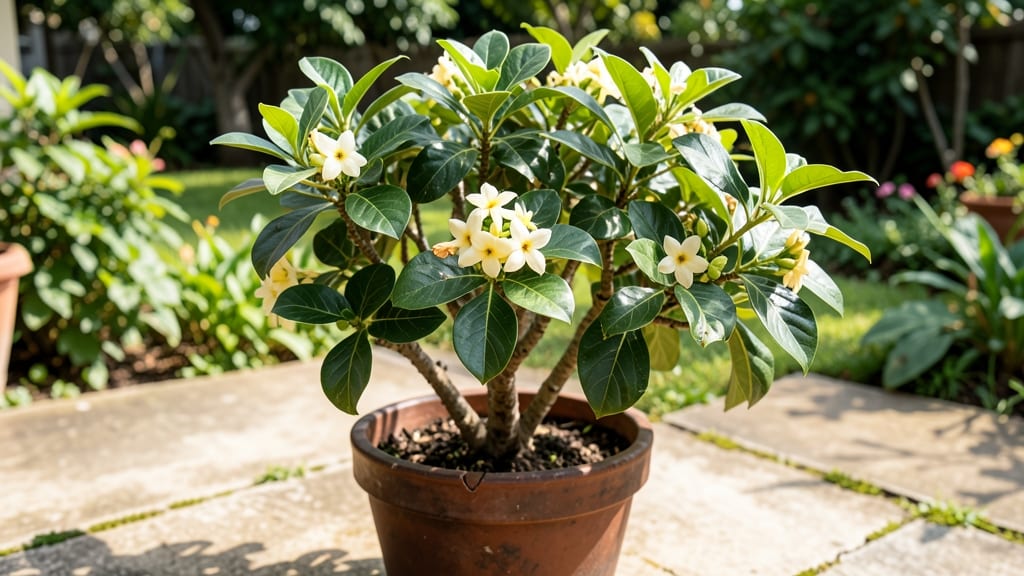
Orange jasmine thrives with almost no effort once you know its simple needs. 🌿 I've grown mine for years, and it's the type of plant that rewards minimal care with fragrant blooms and glossy foliage all season long.
The key is understanding its love for warmth, sunlight, and occasional pruning to keep it lush.
This plant loves bright, indirect light—think morning sun with afternoon shade in hot climates. Water when the top inch of soil feels dry, but never let it sit in soggy soil.
Well-draining potting mix or slightly alkaline garden soil keeps it happy. A little fertilizer in spring and summer encourages those iconic orange blossoms.
With proper care, your orange jasmine will reward you with year-round blooms and a sweet citrusy fragrance that fills the air. Prune lightly after flowering to maintain shape, and watch for pests like aphids—just a quick spray of soapy water keeps them away.
It's the perfect low-maintenance plant for borders, containers, or even as a fragrant hedge.
Whether you're a beginner or an experienced gardener, this plant is forgiving and adaptable. Just give it the right conditions, and it'll thrive with minimal fuss—exactly what you want in a trouble-free garden star.
📚 In This Guide
- What you need
- Instructions
- Tips and common mistakes
- Wrapping up and next steps
What you need
- ● Orange jasmine plant: 1 nursery-grown plant (3–6 feet tall) or seeds/cuttings (if propagating). Pro tip: 🌱 Young plants adapt faster to transplanting!
- ● Well-draining potting mix: 5–10 gallons (for containers) or amended garden soil (for in-ground planting). Mix 1 part perlite or sand with 3 parts potting soil to improve drainage.
- ○ Pot (optional but recommended): For containers: 15–20 gallon pot with drainage holes (terracotta or fabric pots work best).
- ● For in-ground: Ensure full-sun exposure and 6+ feet of vertical space (orange jasmine can sprawl!).
- ● Slow-release fertilizer: 1 10–10–10 NPK granular fertilizer (or organic alternative like composted manure). Apply 2–3 times per year.
- ● Mulch: 2–3 inches of wood chips or pine bark to retain moisture and suppress weeds.
- ● Garden trowel or shovel (for planting).
- ● Pruning shears (sterilized with rubbing alcohol).
- ● Watering can or hose with a gentle spray nozzle (avoid overwatering!).
- ○ pH testing kit (optional): Ideal soil pH is 6.1–7.5. Adjust with lime (to raise pH) or sulfur (to lower it) if needed.
- ○ Support structure (optional): Trellis, stakes, or a small arbor if training as a climbing plant.
- ● Sunlight: Full sun (6+ hours daily) for optimal blooms. Partial shade (4–6 hours) works in hot climates.
- ● Climate: Thrives in USDA Zones 9–11. In colder zones, grow in containers and overwinter indoors.
- ● Watering routine: Deep watering 1–2 times per week (adjust for rain/drought). Let soil dry slightly between waterings.
- ● Patience: Seeds take 2–3 years to flower; cuttings/bought plants may bloom faster!
Step-by-step guide to nurturing your orange jasmine plant
This fragrant beauty thrives with just a few key adjustments—let’s keep it lush and blooming.
🌱 Step 1: Select the Perfect Spot for Sun and Airflow
Orange jasmine (Murraya paniculata) craves bright, indirect light—think 6-8 hours of morning sun followed by afternoon shade in hotter climates. I always place mine near a south-facing window or under a dappled shade tree where leaves filter harsh afternoon rays. Too much direct sun scorches the glossy foliage, while too little dims the vibrant blooms.
Airflow is just as critical. Position your plant where breezes can circulate—6-12 inches from a vent or open window works perfectly. Poor airflow invites fungal diseases like powdery mildew, which shows up as white, powdery patches on leaves. If your space feels stagnant, a small pedestal fan on low setting nearby mimics natural airflow without stressing the plant.
☀️ Step 2: Water Deeply but Infrequently
Orange jasmine despises soggy soil. Water only when the top 2 inches of soil feel dry to the touch—stick your finger in; if it’s damp, wait another day. When you do water, soak thoroughly until water drains freely from the bottom of the pot. This encourages deep root growth, which makes the plant more drought-tolerant over time. I use a watering can with a narrow spout to direct moisture straight to the root zone without wetting the leaves.
In winter, cut back to watering every 10-14 days unless your home stays very dry. Overwatering in cool months suffocates roots and leads to yellowing leaves—a classic sign of root rot. If you notice wilting, check the soil first: it’s usually thirst, not stress.
✂️ Step 3: Prune for Shape and Encourage Blooms
Pruning isn’t just about tidying—it’s about stimulating bushier growth and more flowers. After the first flush of blooms fades, trim back one-third of the oldest stems to the nearest leaf node. This redirects energy to new growth. I always use clean, sharp pruners (disinfected with rubbing alcohol) to avoid tearing the bark, which invites infections.
For shaping, focus on removing leggy or crossing branches. Aim to create an open center—this allows sunlight to reach inner leaves, which is where those fragrant white blooms form. Prune just after flowering in early summer for a second round of blooms by fall. Never prune in late fall or winter; the plant needs its energy to recover before spring growth.
🪴 Step 4: Feed and Protect for Year-Round Health
Feed your orange jasmine once in spring with a balanced, water-soluble fertilizer (10-10-10) diluted to half strength. This gives it a gentle nutrient boost without burning roots. Skip fertilizing in fall and winter—it’s the plant’s dormant period, and extra nutrients just encourage weak, leggy growth. I also add a thin layer of compost around the base in spring to improve soil structure naturally.
Watch for pests like aphids or spider mites, which love the plant’s tender new growth. If you spot sticky residue on leaves or fine webbing, spray with neem oil solution (1 tsp per quart of water) and repeat weekly until pests vanish. Orange jasmine is tough, but stress from pests drains its energy—and those fragrant blooms won’t form if it’s fighting for survival.
⏰ Step 5: Adjust Care for Seasons
In spring and summer, focus on regular pruning and deep watering. The plant enters its growth spurt, so monitor soil moisture closely—it’ll dry out faster in heat. If you’re growing outdoors, mulch around the base with 2-3 inches of organic mulch (like shredded bark) to retain moisture and regulate soil temperature.
As temperatures drop in fall, reduce watering and stop fertilizing entirely. Move potted plants to a cool but bright spot (ideally 50-60°F) to mimic its natural dormancy. If grown outdoors in colder zones, protect with a frost cloth if temperatures dip below 30°F—orange jasmine is tender and won’t survive frost. With these adjustments, it’ll reward you with scented blooms year after year.
Tips & tricks for perfect orange jasmine plant care
Real talk: Even the hardiest plants need a few strategic tweaks to thrive—here's what nobody tells you about keeping your orange jasmine blooming like a pro.
Lighting Strategy: That 6-8 hours of morning sun is non-negotiable, but here's what I learned the hard way: if your window faces west or south, use sheer curtains to filter the afternoon sun. I've seen glossy leaves turn yellow when exposed to harsh afternoon rays—those leaves are delicate! For indoor plants, rotate your pot every 2-3 weeks so all sides get equal light exposure. Uneven growth is a dead giveaway your plant isn't getting balanced light.
Soil Moisture Secret: The "top 2 inches dry" rule works, but here's the real trick: use your finger to check moisture at the 2-inch mark, but also watch for the pot's weight. When it feels noticeably lighter, that's your watering cue. I keep a spare pot of the same size nearby to compare weights—it's a game-changer for consistency. And always water at the base, never from above, to prevent fungal issues that can develop when leaves stay damp.
Pruning Precision: When you're trimming back that one-third of oldest stems, focus on stems that are at least pencil-thick. Thinner stems won't have enough energy to regrow properly, and you'll end up with leggy growth. I mark my pruning spots with a white pencil first—this gives me time to step back and visualize the shape before making cuts. Also, never cut into the leaf nodes where new growth emerges; you'll stunt future blooms if you do.
Seasonal Adjustments: That 50-60°F range for fall dormancy is perfect, but here's what I do differently: I actually move my plant to a north-facing window during winter months. The cooler temps combined with indirect light create that ideal dormancy state. If you notice new growth starting before spring, it's a sign your plant isn't getting enough rest—move it to a cooler spot immediately or you'll sacrifice next year's blooms.
Pro Tips for Orange Jasmine Plant Care
- Real talk: Even the hardiest plants need a few strategic tweaks to thrive—here's what nobody tells you about keeping your orange jasmine blooming like a pro.
- Lighting Strategy: That 6-8 hours of morning sun is non-negotiable, but here's what I learned the hard way: if your window faces west or south, use sheer curtains to filter the afternoon sun.
- Soil Moisture Secret: The "top 2 inches dry" rule works, but here's the real trick: use your finger to check moisture at the 2-inch mark, but also watch for the pot's weight.
Frequently asked questions
Got questions about keeping your orange jasmine (Murraya paniculata) happy and blooming? You're not alone! Here are some of the most common concerns—plus quick, no-fuss solutions to keep your plant thriving.
How often should I water my orange jasmine?
Water your orange jasmine deeply but infrequently—about once a week during warm months (or when the top 2 inches of soil feel dry). In winter or cooler climates, cut back to every 2-3 weeks. Overwatering is the #1 killer, so always check soil moisture before reaching for the hose!
Can orange jasmine survive winter in cold climates?
Most orange jasmine varieties thrive in USDA Zones 8-11, but with a little prep, they can handle Zone 7 winters. Wrap the plant in burlap or frost cloth before the first frost, and mulch heavily around the base. If temps drop below 15°F (-9°C), consider potted plants or moving them indoors near a sunny window.
Why are my orange jasmine leaves turning yellow?
Yellow leaves usually signal overwatering or nutrient deficiency. First, check the soil—if it’s soggy, let it dry out. If the issue persists, feed your plant with a balanced fertilizer (10-10-10) in spring and summer. Yellowing can also mean pests like spider mites, so inspect the undersides of leaves and treat with neem oil if needed.
Can I grow orange jasmine in a pot?
Potted orange jasmine is perfect for containers—just choose a pot with drainage holes and use well-draining soil. Opt for a 12-inch or larger pot for mature plants, and repot every 2-3 years to refresh the soil. Place it in full sun to partial shade and water consistently. Bonus: Potted plants are easier to move indoors in winter!
How do I encourage more blooms?
Orange jasmine blooms best with full sun (6+ hours daily) and regular pruning. Trim back leggy growth after flowering to promote bushier, more vibrant blooms. A light phosphorus-rich fertilizer (like 5-10-5) in early spring can also give blooms a boost. Deadhead spent flowers to redirect energy into new buds!
Wrapping up and next steps
Caring for your orange jasmine doesn’t have to be complicated—just consistent!
With the right balance of sunlight, water, and occasional pruning, this fragrant beauty will reward you with lush growth and sweet blooms year-round. 🌿✨ Whether you’re a seasoned gardener or a beginner, these simple steps will help you keep your plant thriving with minimal fuss.
Now that you’re armed with all the tips, why not take the next step? Share your progress with fellow plant lovers, experiment with creative containers, or even propagate your orange jasmine to spread the joy! Happy gardening—your fragrant oasis is waiting. 🌸