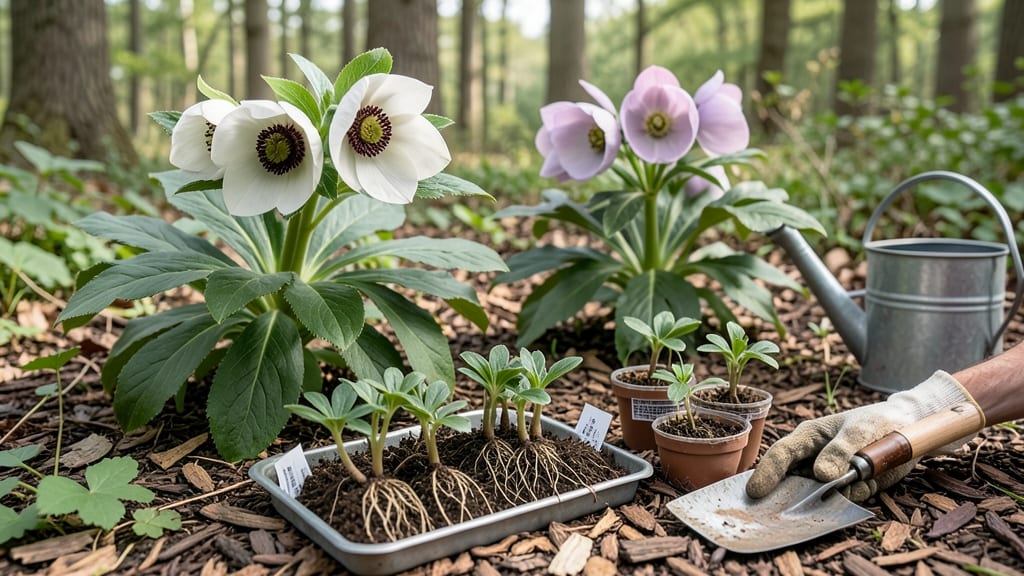
Planting hellebores at the best time ensures vibrant blooms and strong roots, and the answer depends on your climate and patience for waiting. Picture this: you’ve just added these shade-loving perennials to your garden…
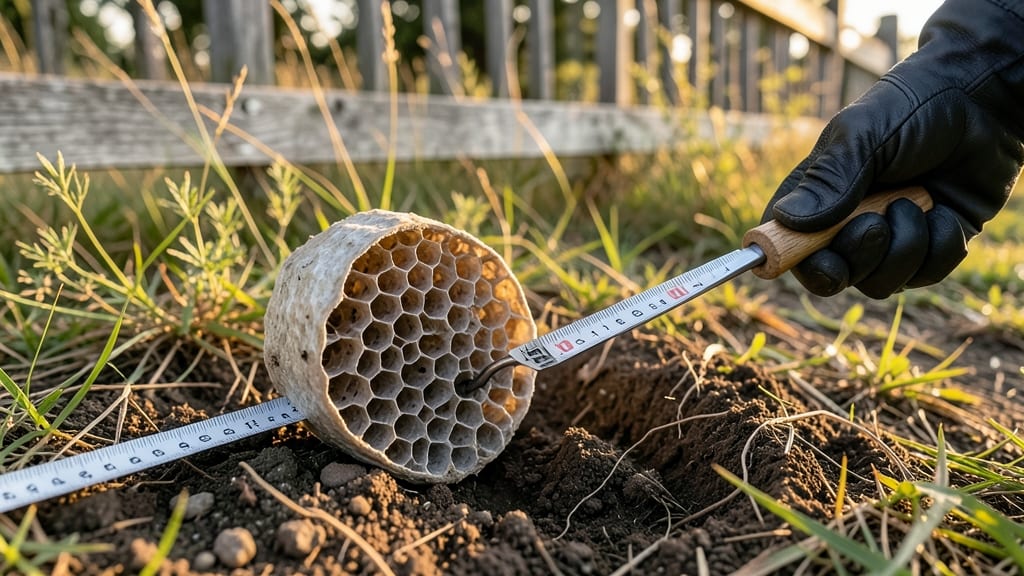
💥 Quick Answer To determine how deep a yellow jacket nest is, consider its location: underground nests burrow 12 to 24 inches deep in soil or decaying wood, while tree nests typically hang 3 to 6 feet high in protected…
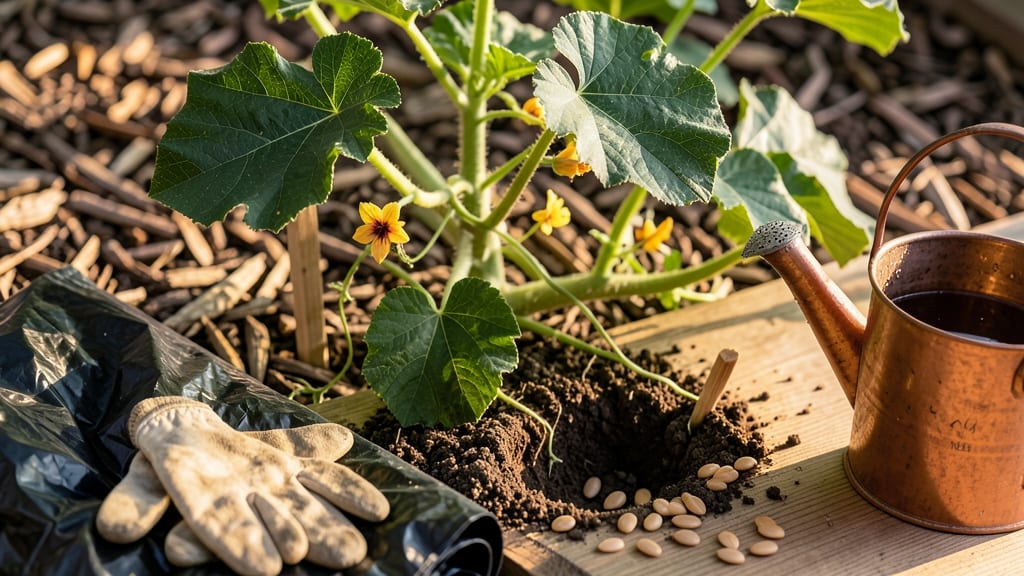
Planting Sugar Baby watermelon seeds the right way means fast germination and juicy fruit in 75 days —not the slow, spotty starts many gardeners face. Picture this: you’ve waited all spring for warm soil, and your seeds…
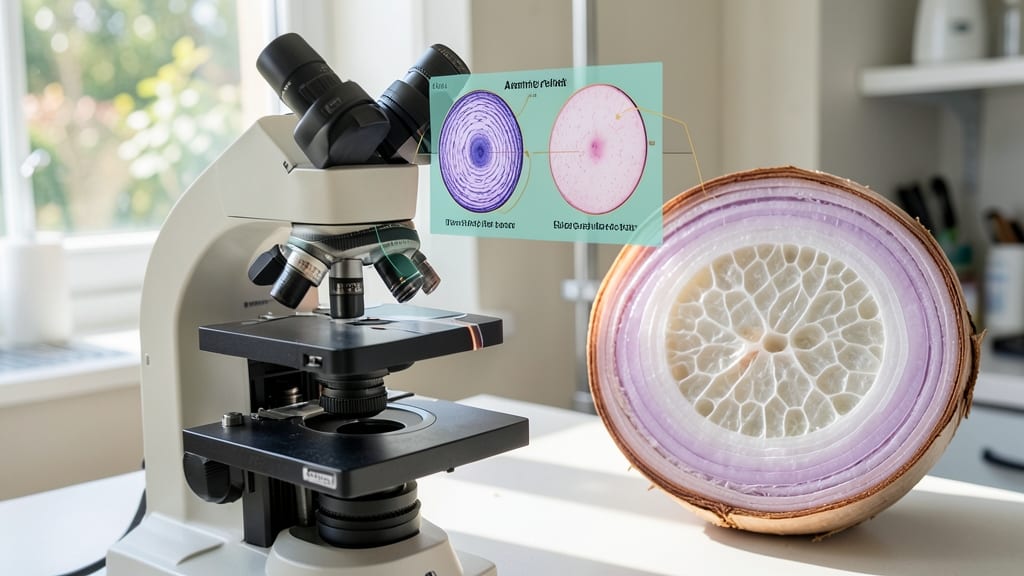
💥 Quick Answer A nucleus is found in both plant and animal cells, serving as the control center that houses genetic material in eukaryotic organisms, though plant cells also contain additional structures like…
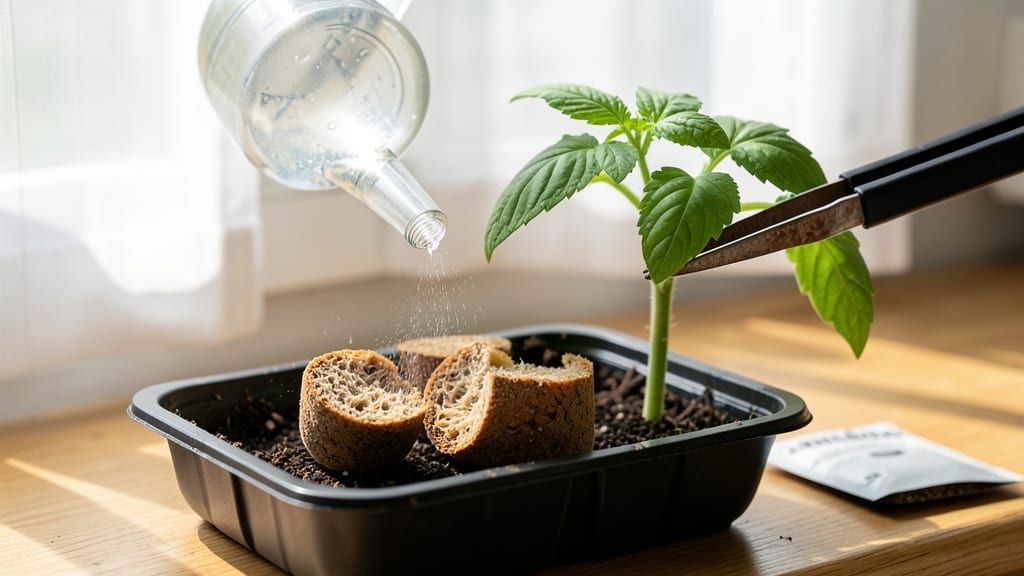
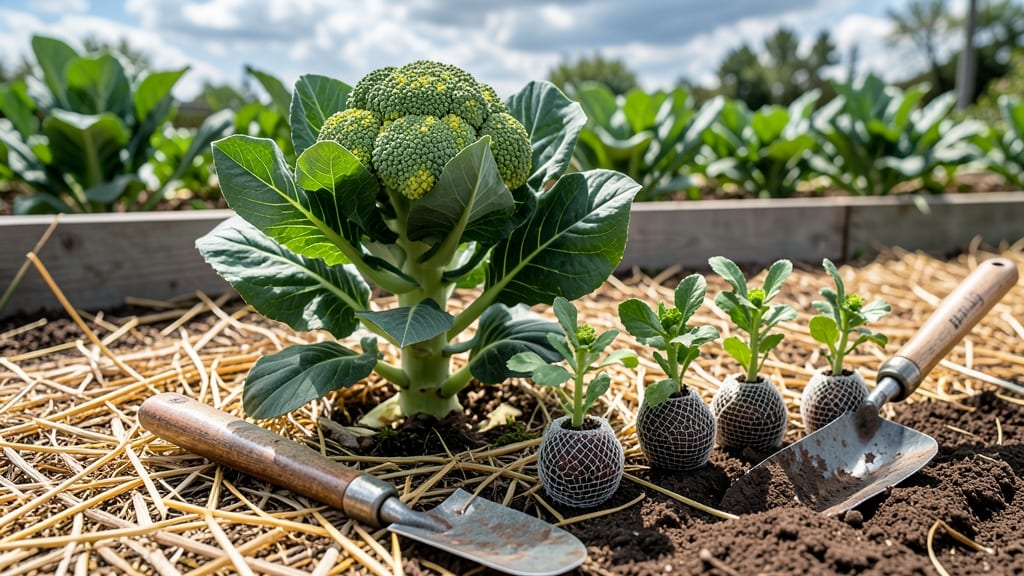
If you’ve ever struggled with fussy seedlings that refuse to germinate—or spent hours cleaning up a messy seed tray—the right Jiffy plant starter could change your gardening game. 🌱 These pre-molded soil cubes turn…
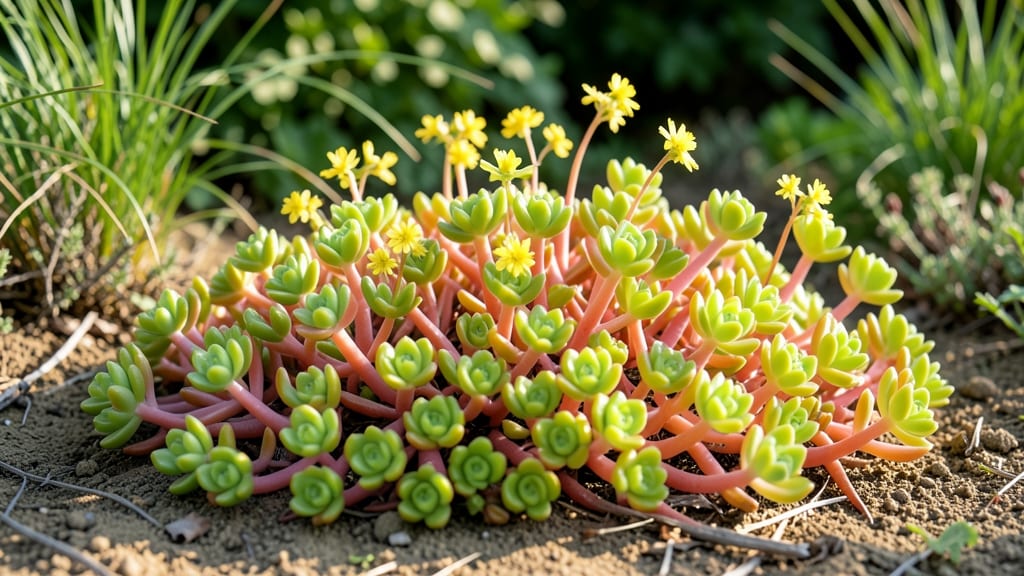
💥 Quick Answer Lemon Coral Sedum thrives in USDA Zones 3 through 9, making it one of the hardiest succulents for cold climates. The Lemon Coral Sedum 's ability to handle cold snaps down to -40°F while still thriving in…
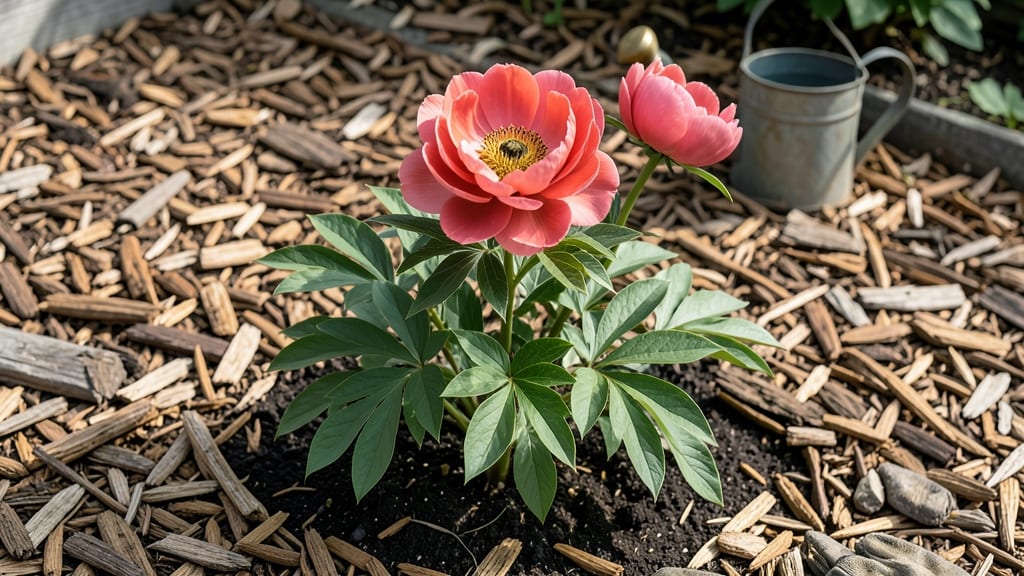
💥 Quick Answer Peonies in Zone 9B grow best with late fall planting (October-November) using heat-tolerant varieties like 'Sarah Bernhardt' or 'Bowl of Beauty'. These cultivars handle summer humidity while requiring…
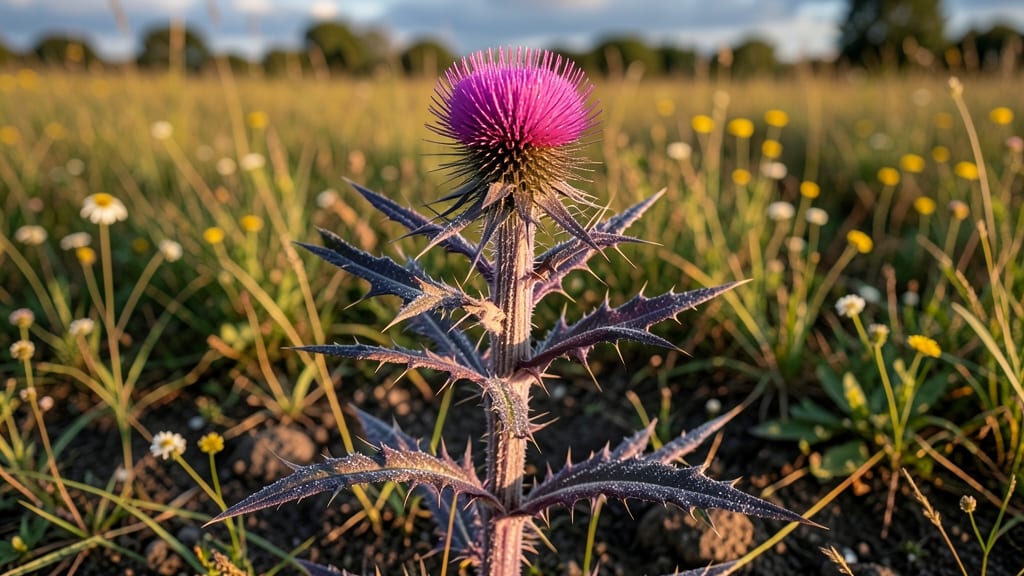
💥 Quick Answer The prickly weed plant thrives in USDA zones 3-9, tolerates poor soil, and produces edible fruit with proper sunlight and minimal care, though its spines require caution when harvesting. The prickly weed…
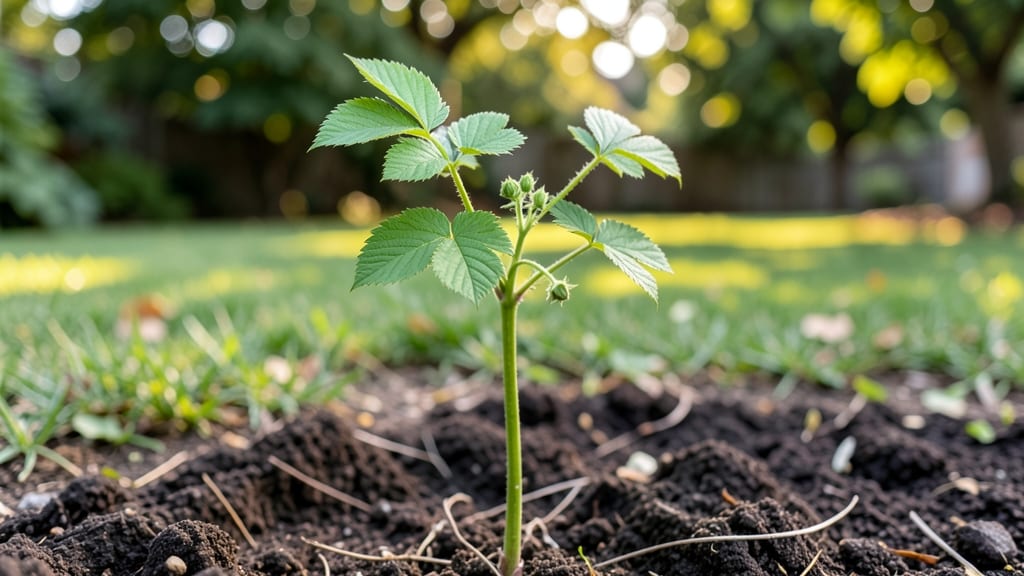
💥 Quick Answer To grow a raspberry plant sprout, cold-stratify seeds for 60-90 days in damp peat moss or a sealed plastic bag with moist paper towels. Plant them 1/4-inch deep in well-draining soil once stratified, as…
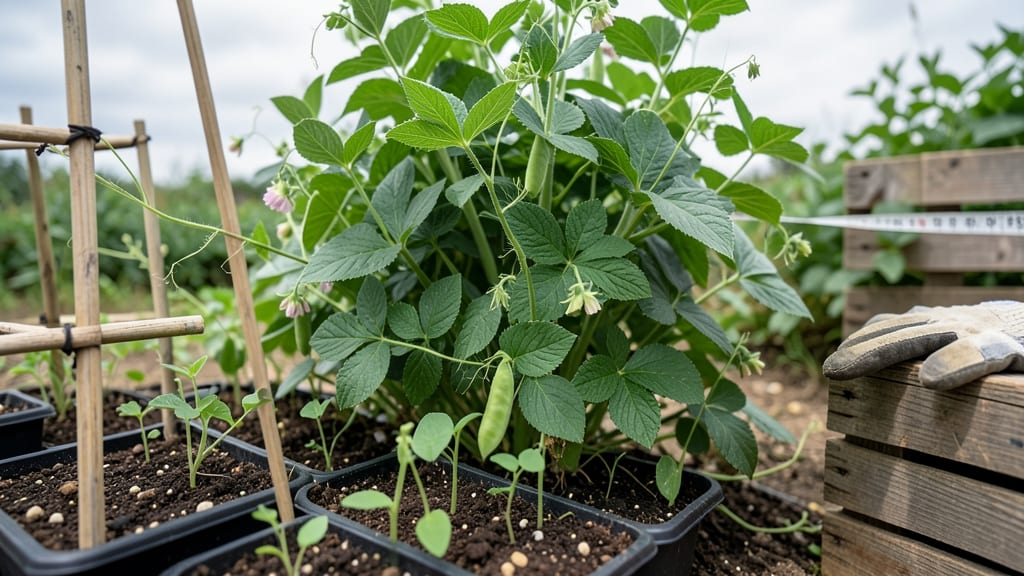
Spacing snow peas correctly is the secret weapon for a garden bursting with sweet, tender pods—think 2-3 inches between plants and 18-24 inches between rows to keep them thriving. Picture this: you’ve just planted your…
To plant a fall garden in North Carolina, aim for late summer to early fall — between mid-August and mid-September — when soil stays warm enough for seeds to germinate but nights begin to cool. Picture this: you’ve just…
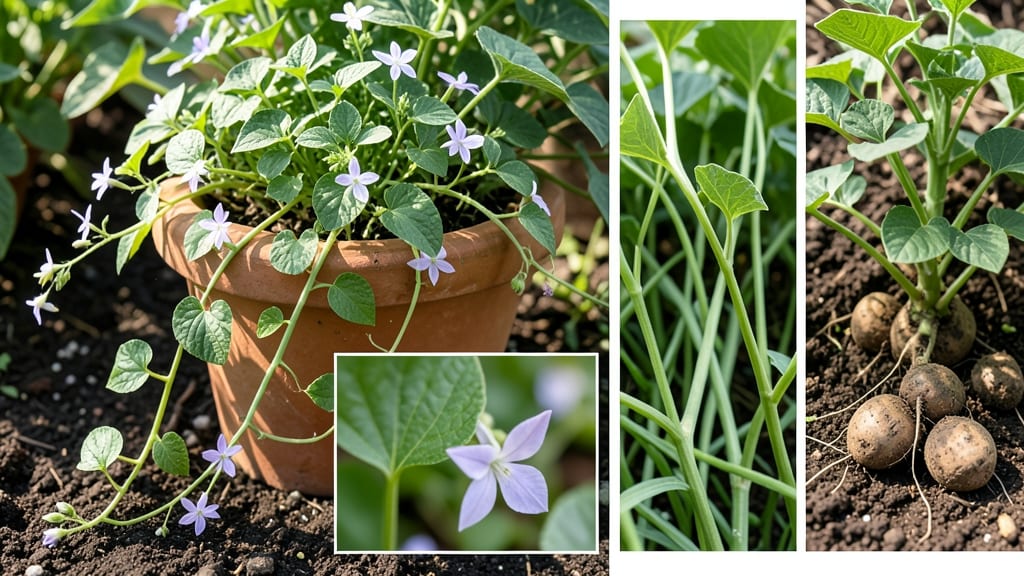
💥 Quick Answer Potato vine potatoes are not edible —they contain toxic glycoalkaloids like solanine, which can cause nausea, vomiting, or worse if ingested. Only certified edible potato varieties (like Russets or Yukon…
I remember the first time I dug my hands into soil as a kid—my grandmother’s garden in upstate New York was my playground. There was something about watching seeds transform into plants that felt like magic. Now, I’m here to help you avoid the same trial-and-error I went through.
Whether you’re a seasoned gardener or just starting, my goal is to share practical, no-nonsense advice so you can grow what you love with confidence. And if I can’t explain it clearly, I’ll keep working on it until I can.