
Planting
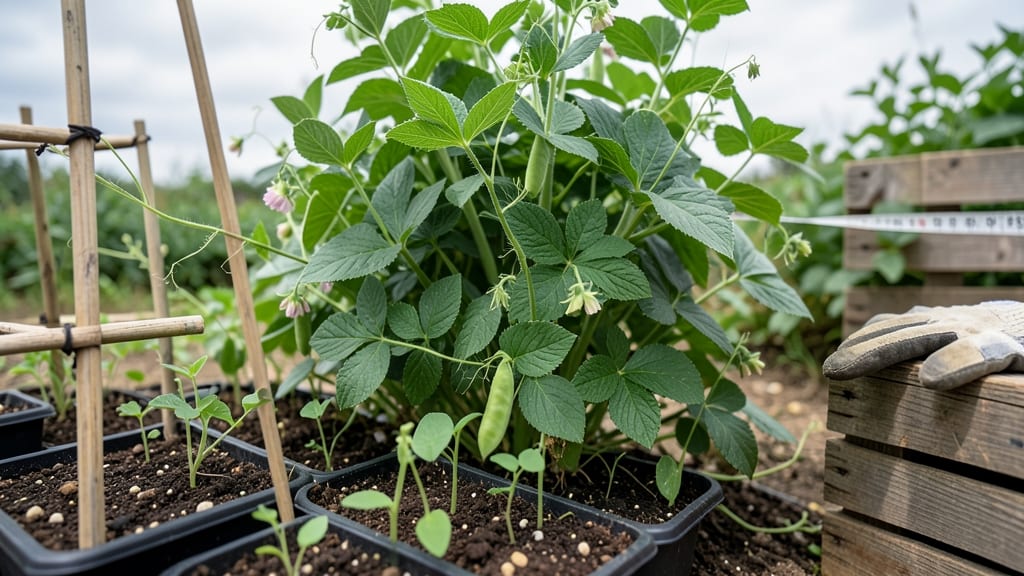
Spacing snow peas correctly is the secret weapon for a garden bursting with sweet, tender pods—think 2-3 inches between plants and 18-24 inches between rows to keep them thriving.
Picture this: you’ve just planted your snow peas 🌱 in March, eager for that first harvest by June, only to watch them struggle because they’re fighting for space. Too close, and they’ll twist and tangle; too far, and you’ll waste precious garden real estate.
The right spacing isn’t just about fitting more plants in—it’s about giving them room to climb, breathe, and produce.
In Zone 6a, where spring days stretch into summer, proper spacing also means better air circulation to prevent fungal diseases and stronger vines that reach for trellises without flopping.
Whether you’re working with dwarf varieties or towering climbers, getting this right makes the difference between a handful of pods and a bucketful.
Below, I’ll walk you through the exact distances for rows, plants, and trellises—plus how to tweak spacing for raised beds, containers, or companion planting. You’ll learn how to avoid the most common mistakes and even rescue overcrowded patches before it’s too late.
Optimal snow pea spacing: row and plant distance guidelines
Getting your snow peas to thrive starts with proper spacing. These delicate vines need room to climb and breathe, but too much space wastes your garden's potential. The right plant distance ensures strong vines, better air circulation, and a higher yield of those sweet, crisp pods we all love.
Snow peas come in three main types: dwarf varieties, bush types, and climbing varieties. Each requires different spacing to maximize growth. For example, dwarf varieties like 'Oregon Sugar Pod II' stay compact, while climbing types like 'Sugar Snap' can reach 8-10 feet with proper support.
Let's break down the best spacing for each type to help you plan your garden layout.
For climbing snow peas, the key is vertical growth. Plant seeds 4-6 inches apart in rows that are 3-4 feet apart to give vines room to sprawl without tangling.
Install a trellis or fence early—these plants start climbing immediately. Without support, they’ll flop and struggle, leading to fewer pods and more disease risk.
If you're growing bush-type snow peas, like 'Tom Thumb', space them 3-4 inches apart with rows 2-3 feet apart. These varieties stay shorter and don’t need trellises, but they benefit from light staking to keep pods off the ground.
Bush types often produce more pods per square foot, making them ideal for small gardens or container growing.
Dwarf varieties, such as 'Little Marvel', are perfect for small spaces or containers. Space these 2-3 inches apart with rows 1.5-2 feet apart. Use a low trellis (2-3 feet tall) to keep vines upright and pods accessible.
These plants are great for balconies or patios where space is limited but you still want a good harvest.
One common mistake is overcrowding snow peas, which leads to poor air circulation and increased disease risk. When plants are too close, they compete for nutrients and sunlight, resulting in weaker vines and fewer pods.
On the other hand, spacing them too far apart wastes garden space and reduces your overall yield. Aim for the middle ground to balance growth and productivity.
For maximum yield, consider planting in multiple rows with alternating directions. This creates a "checkerboard" effect that improves air flow and sunlight penetration. If you're using trellises, space them 3 feet apart and plant seeds 4-6 inches apart along the base.
This setup allows vines to grow vertically while still giving them room to spread.
In raised beds, reduce row spacing to 2 feet and plant seeds 3-4 inches apart to make the most of the limited space. Use a vertical trellis system along the sides of the bed to guide vines upward.
This method works well for small gardens or urban plots where horizontal space is limited.
Remember, soil quality and climate also affect spacing needs. In hot, dry climates, increase spacing by 10-20% to reduce competition for water. In rich, fertile soil, you can plant slightly closer together since the plants will grow more vigorously.
Always adjust based on your specific growing conditions for the best results.
Your garden layout dramatically impacts how well your snow peas grow, especially since these vining plants need room to climb and spread. Whether you're working with raised beds, containers, or traditional in-ground rows, adjusting spacing ensures better air circulation, sunlight exposure, and ultimately, a higher yield. Let's explore the best approaches for each setup to maximize your harvest without wasting space. For traditional rows, most gardeners aim for 18-24 inches between plants and 2-3 feet between rows. This spacing gives climbing varieties like 'Oregon Sugar Pod' enough room to sprawl while preventing overcrowding. If you're growing bush-type snow peas like 'Tom Thumb', you can reduce plant spacing to 12-15 inches since they stay more compact. Always pair this with a sturdy trellis to support their growth upward. Don’t overlook companion planting to optimize space and boost growth. Pair snow peas with radishes or lettuce—these shallow-rooted plants thrive in the same space without competing for nutrients. Avoid planting near onions or garlic, as their strong aromas can stunt snow pea growth. If you're short on space, interplant snow peas with carrots or beets, which benefit from the peas' nitrogen-fixing roots. In raised beds, consider a "staggered" planting technique: sow seeds in rows that run diagonally across the bed. This creates a more efficient use of space and allows you to fit 30-40% more plants than traditional straight rows. For example, in a 4'x8' raised bed, you could fit 8 rows of 12 plants each instead of 6 rows of 10 plants. Just ensure each plant still has 12-18 inches of space to sprawl. When using containers, prioritize varieties bred for small spaces, like 'Oregon Sugar Pod' or 'Mammoth Melting Sugar'. These perform well in 5-gallon pots with minimal root restriction. If you're growing multiple containers, place them 12-18 inches apart to allow airflow and easy harvesting. Avoid overcrowding—even in containers, 2-3 plants per pot is the sweet spot for healthy vines. Pro tip: If you're experimenting with succession planting, leave 6-8 inches of space between batches to avoid cross-contamination of pests or diseases. For example, if your first planting is ready for harvest in 60 days, sow a second batch 4-6 inches away to ensure both have room to thrive without competing. This method extends your harvest window by 2-3 weeks and keeps your garden productive year-round.How to adjust snow pea spacing for different garden layouts
Snow Pea Spacing by Layout