
Planting
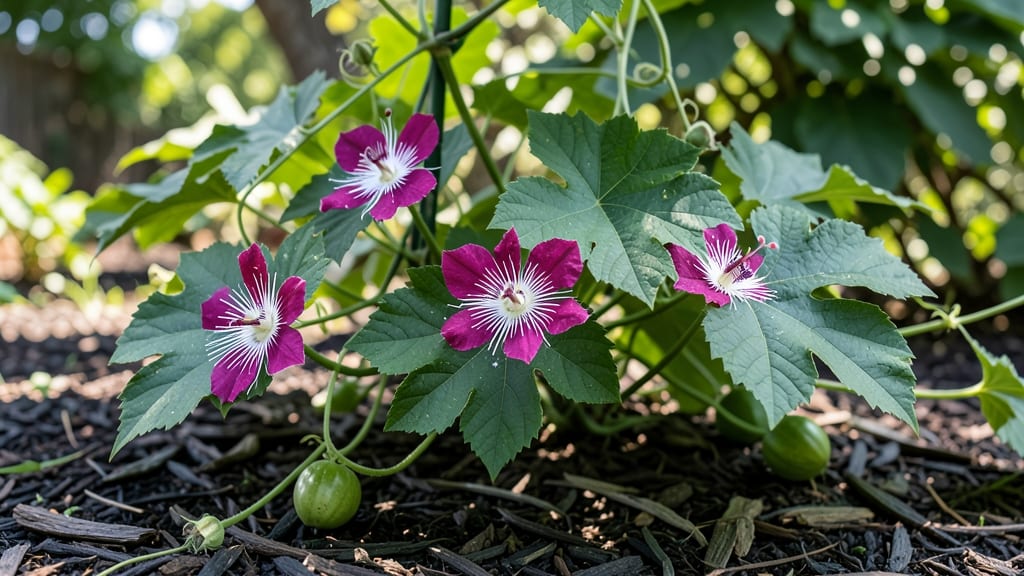
Growing passion flowers 🌸 in the right hardiness zone means the difference between a thriving vine and a frost-killed dream.
If you’ve ever dreamed of growing passion flowers but worried about freezing winters, knowing the exact hardiness zones and cold tolerance is your first step to success—without losing your plants to frost.
Most passion flowers thrive in USDA zones 6–11, but some hardy varieties like Passiflora incarnata push into zone 5 with protection. The key? Understanding your local microclimate and temperature limits to keep your vines happy year-round.
Below, I’ll break down the exact zones for each type, how to shield them from cold snaps, and which varieties are your best bets for cooler climates.
USDA hardiness zones for passion flower: exact map & temperature limits
Growing passion flowers (Passiflora spp.) successfully depends entirely on matching your USDA hardiness zone with the right variety. While some tropical species thrive only in zones 9-11, others like Passiflora incarnata (maypop) handle zone 5 winters with proper care.
Understanding these temperature limits ensures your vines survive—and even flourish—through frost and heat.
First, locate your exact USDA zone using the USDA Plant Hardiness Zone Map. Enter your ZIP code to see your precise zone (e.g., 6b or 8a), as microclimates can shift hardiness by 1-2 zones.
For example, a zone 7 garden near the coast may tolerate Passiflora caerulea (blue passionflower) better than one inland.
Cold tolerance varies wildly across passionflower species. Tropical varieties like Passiflora edulis (passionfruit) die below 30°F (-1°C), while temperate natives like Passiflora lutea (yellow passionflower) survive down to 0°F (-18°C). Even within a zone, overnight lows matter more than daily highs—most passionflowers can’t handle sudden dips below their minimum safe temperature.
If you’re in zones 3-5, focus on Passiflora lutea or P. incarnata, which can survive sub-zero temperatures with heavy mulch and winter protection. For zones 6-8, P. caerulea and P. suberosa (corky-stem passionflower) are excellent choices, thriving in 15–25°F (-9 to -4°C) dips.
Gardeners in zones 9-11 can grow nearly any passionflower, including edible varieties like P. edulis or P. ligularis (sweet granadilla).
Verify your local microclimate by checking historical lows for your area. For instance, a zone 7b garden might see 10°F (-12°C) lows in winter, making P. caerulea a safer bet than P. edulis.
Use a weather station or local cooperative extension service for precise data. Even a 1°F difference can mean the difference between a thriving vine and a frost-killed plant.
Heat tolerance is another critical factor. Most passionflowers handle 100°F+ (38°C+) temperatures well, but high humidity increases fungal risks like powdery mildew. In zones 9-11, provide afternoon shade during peak summer to prevent stress.
Drought-tolerant varieties like P. incarnata fare better in arid climates, while tropical species need consistent moisture to avoid leaf drop.
For gardeners in marginal zones (e.g., zone 6b pushing P. caerulea), start with container-grown plants to move indoors during hard freezes. Bury containers in
How to protect passion flowers in cold climates: winter care guide
Growing passion flowers in USDA zones 3–7 is absolutely possible with the right winter care strategies. While most varieties thrive in warmer climates, temperate species like Passiflora incarnata can survive—and even flourish—with proper protection.
The key is understanding how to shield your plants from sub-freezing temperatures without smothering their delicate vines.
In colder zones, passion flowers enter a dormancy phase when temperatures drop below 20°F (-6°C). Without intervention, frost can damage stems, leaves, and roots, often killing the plant entirely. But with mulching, pruning, and strategic overwintering, you can extend their lifespan and enjoy vibrant blooms year after year.
⚠️ callout warning
Passiflora species vary wildly in cold tolerance. While Passiflora incarnata (maypop) handles Zone 4 (-30°F/-34°C), most tropical varieties (like Passiflora edulis) die in Zone 8 (10°F/-12°C). Always verify your plant’s specific hardiness before winterizing.
Start by pruning back vines in late fall to reduce moisture loss. Cut stems to 6–12 inches above ground, removing dead or diseased growth. This encourages new shoots in spring while minimizing frost damage to woody stems.
For container-grown passion flowers, move pots to a garage or unheated shed before temperatures drop below 32°F (0°C).
Mulching is your first line of defense against frost heave and root damage. Apply a 4–6 inch layer of straw or shredded leaves around the base of the plant (or container).
This insulates roots and regulates soil temperature. In Zone 5 or colder, add a protective cover like burlap or frost cloth over the mulch for extra warmth.
For gardeners in Zones 3–5, consider overwintering passion flowers in containers or cold frames. Dig up plants before the first frost, trim roots, and repot in well-draining soil.
Store containers in a cool, dark basement (around 40–50°F/4–10°C) and water sparingly every 4–6 weeks to prevent rot. Transplant back outdoors after the last frost.
If you’re in Zone 6–7, a mini greenhouse or cold frame can work wonders. Use clear plastic domes or hoop houses to trap heat while allowing sunlight.
Ventilate on mild days to prevent excessive humidity, which can lead to fungal issues. Pair this with deep mulching for best results.
Finally, monitor your passion flowers throughout winter for signs of frost damage, like brown or mushy stems. If you see damage, prune affected areas immediately and adjust your protection methods for next year.
With these steps, your passion flowers can survive even the harshest winters—and reward you with stunning blooms in spring! 🌱