
Planting
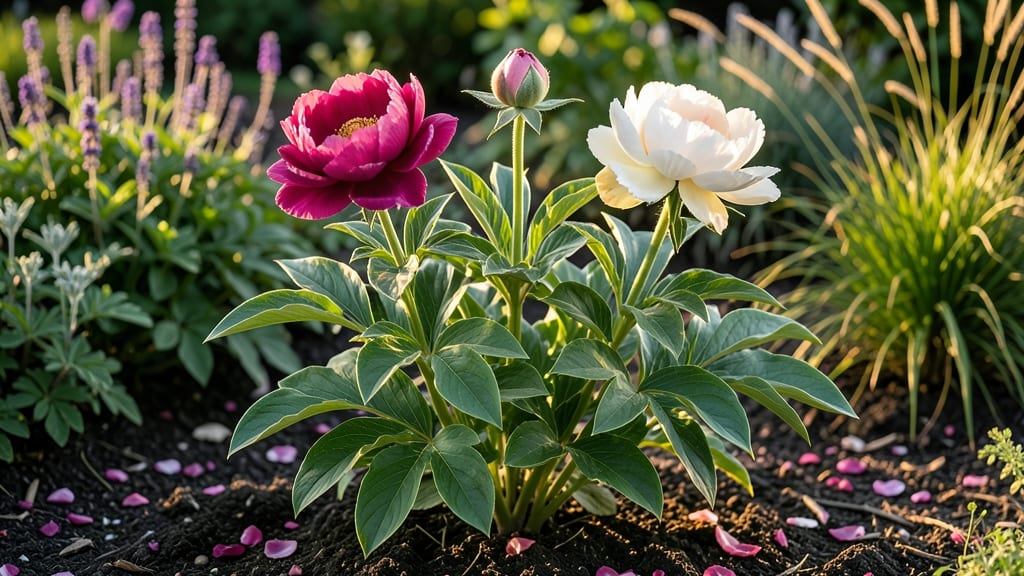
Peonies thrive in Zone 4 with the right prep—cold-hardy roots and bold, fragrant blooms that outlast many spring flowers. 🌸 I’ve grown them here for years, and the secret isn’t fancy tricks but understanding their dormancy needs and soil prep.
Most gardeners quit after the first winter, but with proper care, they’ll reward you for decades.
The best time to plant is late summer or early fall, when roots establish before frost. Choose herbaceous peonies (not tree peonies) for Zone 4—they die back in winter but bounce back stronger.
Amend heavy clay soil with compost to prevent rot, and plant eyes 2 inches deep—shallower means fewer blooms.
By next spring, you’ll see lush, glossy foliage and the first buds forming. Mulch heavily in fall to protect roots, and avoid cutting back stems until after they’ve turned brown—this keeps energy stored for next year’s blooms. Patience pays off: mature plants produce 5-7 inch blooms for weeks.
Common mistakes? Overwatering in winter or planting too deep. But with these adjustments, your peonies will become the showstopper of your garden—year after year. Let’s get those roots settled!
📚 In This Guide
- What you need
- Instructions
- Tips and common mistakes
- Wrapping up and next steps
What you need
- ● Peony roots (bare-root or container-grown): 3–5 healthy, disease-free roots per plant (look for 3–5 "eyes" or buds).
- ● Choose Paeonia lactiflora (herbaceous) or Paeonia suffruticosa (tree peonies) for Zone 4 resilience.
- ● Garden soil: Well-draining, slightly acidic to neutral (pH 6.0–7.0). Amend with compost if your soil is heavy clay.
- ● Organic matter: 2–3 gallons of compost or well-rotted manure per planting hole.
- ● Fertilizer: Balanced 10-10-10 or low-phosphorus (5-10-10) fertilizer (1–2 tbsp per plant). Skip high-nitrogen fertilizers—they encourage leafy growth over blooms!
- ● Mulch: 2–3 inches of straw, wood chips, or shredded leaves to insulate roots in winter.
- ● Gloves & pruners: Heavy-duty gardening gloves and sterilized pruners (for trimming dead foliage post-bloom).
- ● Watering can or hose: With a gentle spray nozzle for hydration.
- ● Epsom salt: 1 tbsp dissolved in water (monthly in early spring for magnesium boost).
- ● Peony support stakes: 3–4 ft tall bamboo or metal stakes to prevent flopping blooms.
- ● Soil test kit: To check pH and nutrient levels before planting.
- ● Frost cloth: For young plants during late spring frost risks.
- ● Disease prevention: Copper fungicide (for powdery mildew-prone areas).
How to plant and establish peonies in Zone 4’s harsh climate
Peonies thrive in Zone 4 despite the cold—here’s how to plant them for decades of reliable blooms.
🌱 Step 1: Choose the Right Location and Prepare the Soil
Peonies need full sun—at least 6-8 hours daily—and well-draining soil. I always pick a spot with afternoon shade in hot summers, which prevents leaf scorch. Avoid low areas where cold air pools, as peonies hate soggy roots. Test your soil’s pH—ideal is 6.5-7.0—and amend with compost if it’s heavy clay.
Dig a hole 2 feet wide and deep—that’s twice the size of the root ball. Mix in 2-3 inches of compost and a handful of bone meal for phosphorus, which encourages strong roots. Peonies are heavy feeders, so don’t skimp on organic matter. The hole should sit 1-2 inches deeper than the root crown after planting—this prevents crown rot in wet winters.
🪴 Step 2: Plant Bare-Root Peonies at the Correct Depth
Peonies ship bare-root in early spring, and timing matters. Plant them as soon as the ground thaws but before new growth starts—usually 2-4 weeks before last frost. Handle roots gently; rough handling stresses the plant. Spread the roots horizontally in the hole, ensuring they fan out naturally without bending.
Cover with soil, leaving the crown (the swollen bud at the base of the stems) 1-2 inches below the surface. Planting too deep suffocates the plant; too shallow invites winter heaving. Press soil lightly around the roots to remove air pockets, then water deeply to settle everything. You’ll know it’s right when the soil surface looks slightly firm but not compacted.
☀️ Step 3: Mulch and Protect for Zone 4’s Extreme Winters
After planting, add a 3-inch layer of mulch (straw or shredded leaves work best) to insulate roots. Peonies in Zone 4 need winter protection, but don’t overdo it—too much mulch traps moisture and causes rot. In the first winter, I mound extra soil around the base (like a small berm) to shield the crown from freezing-thaw cycles.
Skip fertilizing the first year—new roots need to establish without competition. Water occasionally if winter is dry, but avoid soggy soil. By spring, you’ll see strong, healthy foliage. If buds form but don’t bloom the first year, don’t worry—peonies often take 2-3 years to reach full bloom after planting.
✂️ Step 4: Prune and Maintain for Long-Term Health
Wait until late spring or early summer to prune—never cut back foliage until it yellows naturally. This ensures the plant stores energy for next year’s blooms. When deadheading, trim stems to the first set of healthy leaves. Never cut into the woody stem, or you’ll weaken the plant.
In Zone 4, divide peonies every 5-7 years to prevent overcrowding. Dig in early spring, separate sections with at least 3-5 eyes (buds), and replant immediately. Water deeply after dividing to reduce transplant shock. With proper care, your peonies will bloom reliably for decades—some even live over a century!
Tips & tricks for perfectly established hardy peonies in Zone 4
Cold-hardy peonies need special attention to thrive in Zone 4's challenging climate—here's how to give them the best start.
Soil Preparation Secret: Before planting, consider adding a handful of perlite or coarse sand to your amended soil (the 2-3 inches of compost and bone meal) if your area has heavy clay. This improves drainage without compromising nutrient content, which is especially important in Zone 4 where winter thaw cycles can create soggy conditions. The goal is to mimic the well-draining, slightly rocky soils where peonies naturally grow in their native Asia.
Planting Timing Strategy: The 2-4 week window before last frost is your target, but don't stress about exact dates. Instead, look for when soil temperatures reach 45°F at 4-inch depth—this is when roots will actively grow. You can test with a soil thermometer or simply check if you can push a trowel into the ground without resistance. Planting too early risks freezing, while planting too late may stress the plant as it begins active growth.
Winter Protection Hack: For that first critical winter, create a "soil berm" by mounding extra soil around the base of your newly planted peony (in addition to the 3-inch mulch layer). Shape it like a small volcano with the highest point at the crown—this creates an insulating air pocket that protects against extreme cold. Remove this berm in early spring before new growth appears. This technique has saved my peonies from multiple harsh Zone 4 winters when temperatures dipped below -20°F.
Pruning Insight: When you're ready to prune in late spring or early summer, look for the first set of healthy leaves below the flower stem—this is your cutting point. The foliage needs to photosynthesize for 6-8 weeks after blooming to build energy for next year's flowers. If you're unsure, wait until the flowers have completely faded and the stems turn brown before cutting. This might mean leaving some unsightly stems over winter, but it's worth it for long-term plant health.
Pro Tips for Peonies For Zone 4
- Cold-hardy peonies need special attention to thrive in Zone 4's challenging climate—here's how to give them the best start.
- Soil Preparation Secret: Before planting, consider adding a handful of perlite or coarse sand to your amended soil (the 2-3 inches of compost and bone meal) if your area has heavy clay.
- Planting Timing Strategy: The 2-4 week window before last frost is your target, but don't stress about exact dates.
Frequently asked questions
When is the best time to plant peonies in Zone 4?
Plant peonies in early fall (4–6 weeks before the first hard frost) or early spring (as soon as the soil is workable). Fall planting gives roots time to establish before winter, while spring planting avoids dormancy stress. Avoid planting in late summer or fall when frost is imminent.
Do peonies survive Zone 4 winters without extra protection?
Yes! Peonies are extremely cold-hardy (Zone 3–8) and thrive in Zone 4’s winters. Their woody stems may die back, but the roots stay dormant and regrow in spring. A light mulch (2–3 inches of straw or leaves) after the ground freezes can prevent heaving, but it’s not mandatory.
Why aren’t my Zone 4 peonies blooming?
Peonies need 5–7 years of establishment to bloom reliably. Common culprits for poor blooms:
- Too much nitrogen (fertilizer) → Focus on phosphorus (bone meal) instead.
- Overcrowded roots → Divide clumps every 5–6 years in early fall.
- Late spring frost → Plant in full sun and avoid low-lying spots.
Can I grow peonies in containers in Zone 4?
Use a large container (at least 12–15 inches deep) with well-draining soil and winterize it with extra mulch or move pots to a protected spot (like against a south-facing wall). Choose tree peonies (hardier than herbaceous types) for best results.
What pests or diseases should I watch for in Zone 4 peonies?
Zone 4 peonies are resistant to most pests, but keep an eye out for:
- Peony leaf blight (gray mold) → Improve airflow and avoid overhead watering.
- Japanese beetles → Handpick or use neem oil if infested.
- Botrytis blight (brown spots) → Remove spent blooms and ensure 6+ hours of sunlight daily.
Most issues are preventable with proper spacing (2–3 feet apart) and good drainage.
Wrapping up and next steps
Growing peonies in Zone 4 is absolutely doable—and what a reward! With their sturdy roots, vibrant blooms, and minimal fuss, these perennials bring joy year after year, even in colder climates.
The key? Choosing the right variety, planting at the perfect time, and giving them a little winter love. 🌱❄️
Now that you’re armed with tips and tricks, it’s time to roll up your sleeves! Start by selecting your peonies—whether it’s a classic like ‘Sarah Bernhardt’ or a fragrant heirloom—and mark your calendar for early spring or fall planting.
Before you know it, your garden will be bursting with color, and you’ll be the envy of the neighborhood. Happy gardening! 🌸