
Planting
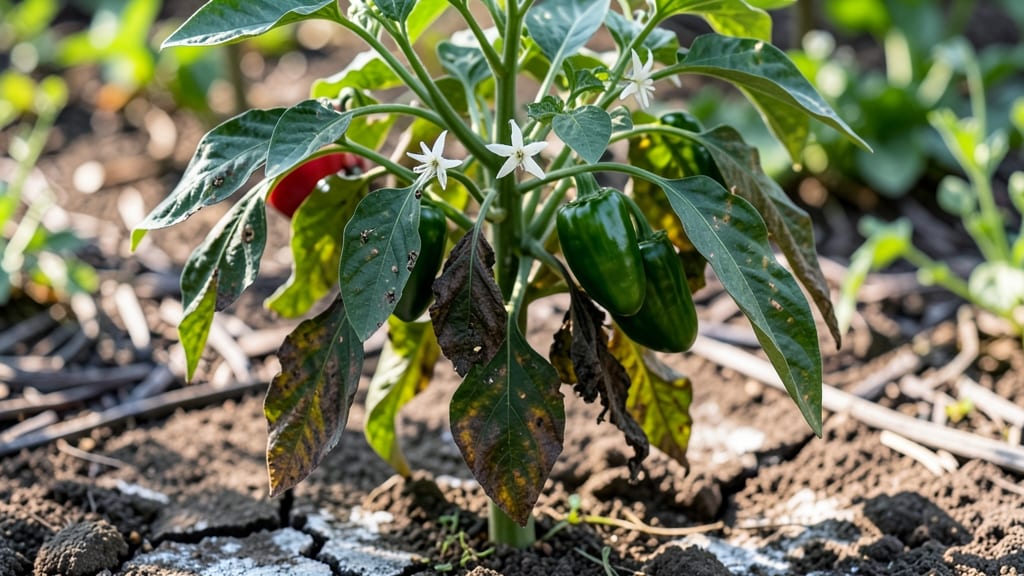
Pepper plant leaves wilting can happen faster than you think—one day they're lush, the next they're drooping like sad umbrellas. 🌱 The good news?
A simple ice water soak often brings them back to life in hours, and it’s the first trick I reach for when my peppers start looking stressed. Most gardeners blame overwatering, but heat stress, pests, or even nutrient burnout play a bigger role than you’d expect.
Start by checking the soil: if it’s bone-dry, water deeply until it drains from the bottom. If it’s soggy, let it dry out for a day or two.
Then, mix a gallon of cold water with a handful of ice cubes and soak the pot for 10-15 minutes—this cools the roots and revives wilted leaves faster than plain water. Pests?
Look for sticky residue or tiny holes; a spray of neem oil usually does the trick within 48 hours.
What you’ll notice after the soak is leaves perking up within 2-4 hours, with new growth appearing in 3-5 days. The key is consistency: peppers hate temperature swings, so keep them in 60-85°F zones and mulch to retain moisture.
A balanced fertilizer every 4-6 weeks also prevents nutrient stress that mimics wilting.
This method works for bell, jalapeño, and habanero peppers alike, whether you’re growing in pots or garden beds. The ice water soak isn’t just a quick fix—it’s a reset button for stressed plants. Here’s how to diagnose and treat the root cause for good.
Root Causes Of Drooping Pepper Leaves
Understanding why your pepper plant’s leaves are wilting starts with identifying the root causes—literally and figuratively. Pepper plants (Capsicum annuum) are sensitive to stress, and wilting is often their way of signaling distress.
Below, we break down the most common triggers, backed by science, so you can pinpoint the issue and take action.
Pepper plants thrive in well-draining soil with consistent moisture, but too much water—especially in compacted or poorly aerated soil—can suffocate roots. Here’s why it happens:
- Oxygen Deprivation: Roots need oxygen to respire and absorb nutrients. Overwatered soil creates anaerobic conditions, forcing roots to "drown."
This disrupts water and nutrient uptake, causing leaves to wilt as a survival response. - Fungal Infections: Stagnant water breeds pathogens like Phytophthora or Pythium, which rot roots.
Infected roots can no longer support the plant, leading to wilting. - Salt Buildup: Over time, excess water dissolves minerals in soil, leaving behind a salty crust. High salinity osmotically stresses roots, making it harder for them to absorb water—even if the soil is moist.
🔍 How to Check:
- Stick your finger 2 inches into the soil. If it’s soggy, you’re overwatering.
- Look for mushy, black roots (sign of rot) or white, crusty residue (salt buildup).
Pepper plants are drought-tolerant but not drought-proof. When soil dries out too much—or during extreme heat—they wilt as a way to reduce water loss through transpiration.
- Plasma Membrane Damage: Severe dehydration causes plant cells to lose turgor pressure (the "crunch" that keeps leaves upright).
Without water, cells shrink and collapse, making leaves droop. - Heat Shock: Temperatures above 90°F (32°C) can scorch leaves and disrupt stomatal function (the pores that regulate water vapor).
Even well-watered plants may wilt in intense heat. - Root Shrinkage: Chronically dry soil forces roots to contract, reducing their ability to absorb water efficiently.
🔍 How to Check:
- Pull a leaf gently. If it snaps easily, the plant is severely dehydrated.
- Check the soil surface: Bone-dry = underwatering.
Pepper plants prefer warmth (70–85°F / 21–29°C) and moderate humidity (40–60%). Straying from this range stresses the plant, leading to wilting.
- Cold Shock: Below 50°F (10°C), pepper plants metabolize slowly, and cell membranes can rupture, causing wilting.
Frost is especially deadly—it crystallizes water in cells, tearing them apart. - Low Humidity: In dry air, leaves lose water faster than roots can replace it, leading to transpirational wilting.
This is common in indoor settings with low humidity (<30%) or during hot, windy days. - Sudden Temperature Swings: Fluctuations (e.g., cool nights followed by scorching days) disrupt enzyme activity in leaves, impairing photosynthesis and causing wilting.
🔍 How to Check:
- Feel the leaves: Cold, crispy edges = frost damage.
- Use a hygrometer to measure humidity. Below 40%? That’s too dry.
Wilting can also signal malnutrition or chemical imbalances in the soil. Peppers need a balanced diet of macronutrients (N-P-K) and micronutrients.
- Nitrogen (N) Deficiency: Leaves turn yellow (chlorosis) and wilt as the plant struggles to produce chlorophyll. Severe cases lead to stunted growth and drooping. - Potassium (K) Deficiency: Potassium regulates osmotic pressure and stomatal control.
Without enough K, leaves lose turgor and wilt, especially in hot weather. - Calcium (Ca) Deficiency: Critical for cell wall strength, calcium deficiency causes blossom-end rot in fruits and wilting new growth due to weak cell structure. - Toxicities: Too much salt, boron, or manganese can burn roots, preventing water uptake.
Symptoms include yellowing leaves with brown tips and wilting.
🔍 How to Check:
- Soil Test Kit: Measure pH and nutrient levels. Peppers prefer 6.0–6.8 pH.
- Leaf Analysis: Send a sample to a lab for precise deficiencies/toxicities.
Hidden pests and pathogens can severely damage roots, cutting off the plant’s water supply.
- Root-Knot Nematodes: These microscopic worms pierce roots, creating galls that disrupt water flow.
Infested plants wilt even when watered. - Fungal Root Rot: Pathogens like Fusarium or Verticillium clog xylem vessels (the plant’s "straws" for water transport), causing sudden wilting (even at night). - Aphids or Spider Mites: While these pests feed on leaves, severe infestations stress the plant, leading to wilting and stunted growth.
🔍 How to Check:
- Gently wash roots in water. Look for knots, lesions, or slimy residue.
- Inspect leaves for sticky residue (honeydew) or fine webbing (mites).
Moving pepper plants—even young seedlings—can sever roots, halting water and nutrient uptake.
- Root Pruning: When repotting or transplanting, cutting roots (even accidentally) triggers osmotic stress as the plant adjusts.
- Shock from Handling: Roughly handled plants release ethylene gas, a plant hormone that accelerates wilting and can even prematurely age leaves.
- Improper Support: Young plants with weak stems may flop over, causing leaves to wilting from physical stress.
🔍 How to Check:
- Inspect roots for broken or blackened tips after transplanting.
- Observe timing: Wilting within 24–48 hours of moving? Likely transplant shock.
Revive Your Pepper Plants Fast
When your pepper plant leaves start wilting, it’s a clear signal that something’s off—but don’t panic! With the right approach, you can often bring them back to life. Below, we’ll break down cause-specific fixes to tackle the issue head-on, plus pro tips to keep your plants thriving long-term.
Signs: Yellowing leaves, mushy stems, or soil that smells sour.
How to Fix It: 🔥 Step 1: Stop Watering Immediately
- Let the top 1–2 inches of soil dry out completely before watering again. Overwatering suffocates roots by cutting off oxygen.
🍳 Step 2: Improve Drainage
- Repot your pepper plant in a container with drainage holes if it’s currently in a closed pot. Add a layer of gravel or perlite at the bottom to prevent waterlogging.
👨🍳 Step 3: Let It Breathe
- Gently remove the plant from its pot and trim any black, mushy roots with sterilized scissors. Replant in fresh, well-draining potting mix.
🥘 Step 4: Adjust Your Watering Routine
- Water only when the top inch of soil feels dry. Stick your finger in the soil—if it’s damp past your first knuckle, wait longer.
✨ Prevention Tip: Use a moisture meter to track soil hydration accurately. Peppers hate soggy feet!
Signs: Dry, crispy leaf edges, wilting that worsens in the afternoon.
How to Fix It: 💧 Step 1: Deep Watering Session
- Water until it pours out the drainage hole, ensuring roots get a full drink. Shallow watering only wets the surface.
🌱 Step 2: Mulch to Retain Moisture
- Spread 2–3 inches of organic mulch (like straw or wood chips) around the base to slow evaporation.
🌡️ Step 3: Check Your Pot Size
- Small pots dry out faster. If your pepper plant is mature, upgrade to a larger container (at least 12 inches deep).
🎯 Prevention Tip: Group pepper plants together to create a microclimate that holds humidity longer.
Signs: Wilting that happens suddenly, especially after temperature swings (e.g., hot days followed by chilly nights).
How to Fix It: 🌿 Step 1: Move to a Stable Spot
- Place your pepper plant where temps stay between 70–85°F (21–29°C). Avoid drafts, AC vents, or direct sun during heatwaves.
🍃 Step 2: Provide Shade Cloth
- If temps exceed 90°F (32°C), drape lightweight shade cloth (30–50% coverage) to filter harsh rays without blocking light.
❄️ Step 3: Protect from Cold Snaps
- If nights dip below 50°F (10°C), cover the plant with a frost blanket or move it indoors temporarily.
💡 Pro Tip: Ice water soak (as mentioned in the article title!) can help with mild heat stress. Submerge the pot in cool (not icy) water for 10–15 minutes to lower root temperature and revive wilting.
Signs: Wilting paired with holes in leaves, sticky residue, or white mold (like powdery mildew).
How to Fix It: 🐜 Step 1: Identify the Culprit
- Aphids/spider mites? Wipe leaves with neem oil solution (1 tsp neem oil + 1 quart water + a drop of dish soap).
- Fungal disease? Remove infected leaves and spray with baking soda mix (1 tsp baking soda + 1 quart water + a few drops of soap).
🔪 Step 2: Prune Damaged Areas
- Cut off wilting or discolored leaves with clean scissors to prevent spread.
⏰ Step 3: Quarantine & Monitor
- Isolate the plant until symptoms improve. Check undersides of leaves daily for new pests.
🌟 Prevention Tip: Rotate plants weekly to ensure even sunlight exposure, reducing stress that invites pests.
Signs: Wilting with yellowing between leaf veins (iron deficiency) or purple stems (phosphorus lack).
How to Fix It: 📊 Step 1: Test Your Soil
- Use a DIY soil test kit (available at garden centers) to check pH and nutrient levels. Peppers thrive in slightly acidic soil (6.0–6.8 pH).
💪 Step 2: Fertilize Correctly
- For wilting from hunger: Use a balanced fertilizer (like 10-10-10) diluted to half strength. Apply every 2–3 weeks during growing season.
- For root boost: Mix in compost or worm castings for slow-release nutrients.
🥗 Step 3: Avoid Over-Fertilizing
- Too much salt from fertilizer can burn roots, causing wilting. Always water before fertilizing to flush excess salts.
✨ Pro Tip: Epsom salt spray (1 tbsp in 1 gallon water) can help with magnesium deficiency—spray leaves weekly if needed.
Final Note: Most wilting issues are reversible with quick action. Start with the most likely cause (over/underwatering is #1), and don’t hesitate to trim damaged foliage—your pepper plant will thank you with healthier growth! 🌱
Frequently asked questions
Why do my pepper plant leaves wilt in the afternoon but perk up at night?
This classic pattern usually means underwatering or heat stress. During the day, your plant loses water faster than roots can absorb it—especially in hot conditions. Check soil moisture: if the top 1 inch is bone-dry, water deeply until it drains from the bottom. For extreme heat (90°F+), try a 10-minute ice water soak to cool roots and revive wilting leaves faster.
Can I save a pepper plant if all the leaves are wilted and limp?
Yes, but act fast! First, check the roots: if they're still firm and white, your plant has a good chance. Submerge the pot in cool water (not ice-cold) for 15 minutes to rehydrate roots. If roots are mushy or black, trim the damage and repot in fresh soil. Place the plant in bright, indirect light and avoid watering for 24 hours—this gives roots time to recover.
Will pruning wilted leaves help my pepper plant recover?
Pruning severely wilted or yellow leaves reduces stress on the plant by redirecting energy to healthy growth. Use sterilized scissors to cut just above a leaf node (where new leaves grow). For mild wilting, remove only the worst leaves—don't over-prune, as this can stress the plant further. Always prune in the morning so wounds have time to heal before evening.
How often should I fertilize a wilting pepper plant?
Hold off on fertilizer until your plant shows signs of recovery (firm stems, new growth). Once stabilized, use a balanced fertilizer (10-10-10) diluted to half strength every 4-6 weeks during growing season. Over-fertilizing stressed plants can burn roots, worsening wilting. For a quick boost, mix 1 tablespoon of Epsom salt in 1 gallon of water and spray leaves weekly—this helps with magnesium deficiency, a common cause of wilting.
Is it safe to use tap water on my wilting pepper plants?
Tap water is usually fine, but check for high chlorine or fluoride levels first. If your water tastes metallic or leaves white residue, let it sit in an open container for 24 hours before using. For wilting plants, rainwater or distilled water works best as they're gentler on roots. If you must use tap water, water deeply once a week to help flush out excess salts that can accumulate over time.