
Planting
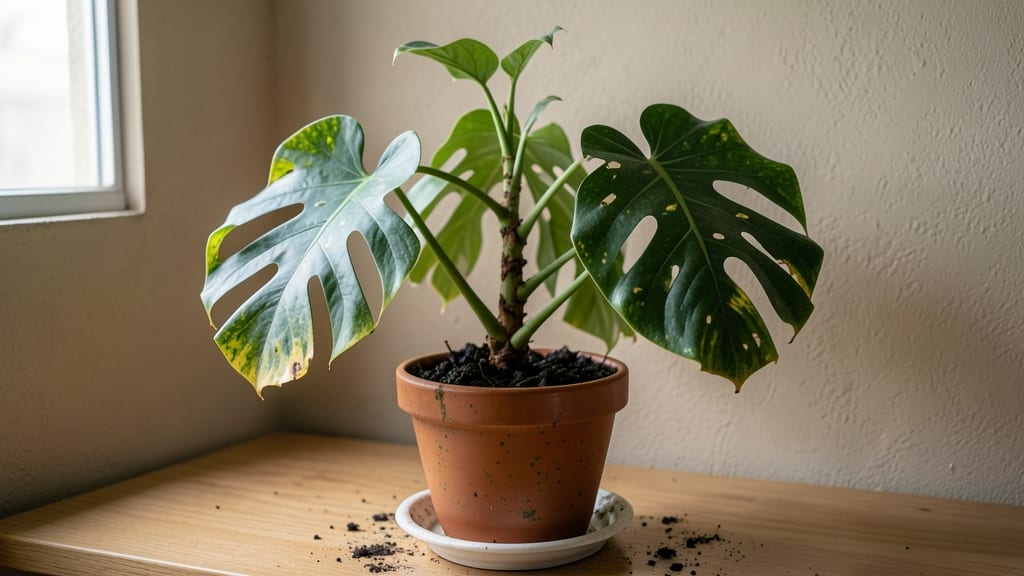
Seeing your plant's leaves go soft and droopy is like watching a friend slowly fade—except this is 100% fixable. 🌿 The good news? Most cases come down to simple adjustments you can make in minutes, whether it's overwatering, pests, or something sneaky like root rot hiding under the surface.
First, check the soil: if it's soggy, you're likely drowning the roots. Stick your finger in—if the top 1-2 inches feel wet, hold off on watering. Yellowing leaves paired with droop usually means overwatering, while crispy edges and wilting suggest thirst.
Pests like spider mites or aphids can also suck the life out of foliage, leaving sticky residue behind. You'll have your plant perking up in hours with the right fix: adjust watering, wipe leaves with soapy water, or repot if roots are rotting.
The key is acting fast—droopy leaves are a cry for help, not a death sentence. Let's turn this around.
For houseplants, the fix often starts with a quick soil check. If the pot feels heavy (overwatered) or light as a feather (underwatered), that's your clue.
Vegetable plants like tomatoes or peppers wilt when roots can't keep up with thirst, but they bounce back fast once you water deeply at the base—not overhead. Flowers like petunias often droop from heat stress, so move them to shade until evening.
The best part? Most plants recover within 24-48 hours once you address the root cause. A simple routine—check soil, inspect leaves, adjust care—keeps this from happening again. Think of it as a quick health check for your green friends.
Prevention is easier than fixing: water only when the top inch is dry, use pots with drainage holes, and rotate plants for even light exposure. If you notice droop after a recent change (new pot, fertilizer, or location), that's likely the culprit.
Keep a small notebook by your plants to track watering and growth—it saves guesswork next time. This isn't just about saving a plant; it's about understanding what your greenery needs to thrive. With these fixes, you'll spot the early signs and revive your plants before they even start wilting.
Let's get those leaves standing tall again!
Understanding Root Causes
When your plant’s leaves suddenly turn soft and droopy, it’s often a cry for help from its roots or environment. Understanding the why behind the wilt is the first step to revival.
Below, we break down the most common culprits—each with a clear scientific explanation and actionable insights to diagnose the issue fast.
Overwatering is the #1 killer of houseplants, and it’s easy to do—especially with plants that love moisture, like ferns or calatheas. When roots sit in soggy soil for too long, they suffocate, unable to absorb oxygen or nutrients.
This triggers anaerobic conditions, where harmful bacteria and fungi thrive, rotting the roots and cutting off the plant’s water supply. Without proper hydration, leaves wilt as a survival mechanism to reduce water loss.
How to spot it:
- Soil feels constantly damp or muddy, even days after watering.
- Yellowing leaves (especially lower ones) paired with droop.
- Stems feel mushy when pressed (a sign of root rot).
Quick fix: Let the top 1–2 inches of soil dry out before watering again. If root rot is suspected, trim affected roots with sterilized scissors and repot in fresh, well-draining soil (like a mix of potting soil + perlite). Pro tip: Use a moisture meter to avoid guesswork! 🌡️
While overwatering drowns roots, chronic underwatering dehydrates them, causing leaves to wilt as the plant conserves moisture. But heat stress—especially from dry air or direct sunlight—can accelerate the problem. When transpiration (water loss through leaves) outpaces water uptake, cells lose turgor pressure, making leaves flaccid and limp.
How to spot it:
- Dry, crispy leaf edges or entire leaves curling inward.
- Soil pulls away from the pot’s edges (bone-dry).
- Wilting happens quickly after exposure to heat (e.g., near a window or heater).
Quick fix: Water deeply until it drains from the bottom, then let the top inch dry out. Move the plant away from heat sources (like radiators or south-facing windows) and increase humidity with a pebble tray or humidifier. Pro tip: Group plants together to create a microclimate that retains moisture! 🌿
Plants are sensitive to abrupt shifts in their environment. A draft from an open window, a temperature drop (like AC blasting), or even moving the plant to a new spot can cause osmotic shock.
This disrupts the plant’s ability to regulate water and nutrients, leading to wilting within hours. Tropical plants (e.g., monstera, philodendron) are especially vulnerable.
How to spot it:
- Wilting occurs within 24 hours of a change (e.g., moving, drafts, or temperature swings).
- Leaves may feel cool to the touch (sign of cold stress).
- No soil moisture issues—just sudden droop.
Quick fix: Gradually acclimate the plant to new conditions (e.g., move it closer to the window over a week). Avoid placing it near vents, doors, or air conditioning units. If shocked by cold, wrap it in a frost blanket overnight and monitor recovery. Pro tip: Rotate the pot weekly to ensure even light exposure! 🌀
When roots outgrow their pot or soil becomes waterlogged and compacted, they struggle to absorb water and nutrients efficiently. This creates a vicious cycle: roots can’t expand, soil stays soggy, and leaves wilt from starvation or suffocation.
Root-bound plants often have roots circling the bottom or growing out of drainage holes.
How to spot it:
- Roots visible at the soil surface or emerging from drainage holes.
- Wilting persists even after watering.
- Slow growth despite regular care.
Quick fix: Gently remove the plant, trim tangled roots, and repot in a container 1–2 inches larger with fresh, aerated soil. Add perlite or orchid bark to improve drainage. Pro tip: Prune 1/3 of the roots to encourage new growth! ✂️
Most wilting is reversible—once you identify the cause, you can often revive your plant within days. The key is acting fast and addressing the root of the problem (literally!).
Revive Your Plant’s Vitality Fast
When your plant’s leaves go soft and droopy, it’s a cry for help—but don’t panic! The right fix depends on the root cause. Below, we’ve mapped out practical, step-by-step solutions for the most common issues, plus prevention tips to keep your green buddy thriving. Let’s get those leaves perky again!
Symptoms: Yellowing leaves, mushy stems, waterlogged soil, or a foul smell.
How to Fix It: 🔥 Step 1: Stop Watering Immediately
- Let the soil dry out completely before watering again. Stick your finger 1–2 inches deep—if it’s damp, wait.
🍳 Step 2: Check the Drainage
- If your pot has no drainage holes, transfer your plant to a new container with holes. No holes? Poke some with a nail or drill!
- Use a well-draining potting mix (add perlite, sand, or orchid bark if yours is too dense).
👨🍳 Step 3: Revive the Roots
- Gently remove the plant from its pot and trim any black, mushy roots with clean scissors.
- Let the roots air-dry for 30–60 minutes before replanting in fresh, dry soil.
🥘 Step 4: Adjust Your Watering Routine
- Water only when the top 1–2 inches of soil are dry. Use the "finger test" daily until you find the right balance.
- Pro Tip: 💡 Use a moisture meter or gloved finger to avoid overestimating dryness.
Prevent It: ✨ Water deeply but less often—better to underwater slightly than drown your plant. ✨ Use pots with drainage holes and elevate them on saucers to prevent root rot.
Symptoms: Dry, crispy leaf edges, wilting despite moist soil, or leaves that feel papery.
How to Fix It: 🔥 Step 1: Water Thoroughly
- Soak the soil until water runs out the drainage holes. Don’t just sprinkle—aim for deep hydration.
🍳 Step 2: Check Your Watering Schedule
- Most plants need water every 1–2 weeks, but tropical plants may need it weekly. Adjust based on your climate and pot size.
👨🍳 Step 3: Boost Humidity (If Needed)
- Place the pot on a pebble tray with water or mist leaves 2–3 times a week (great for succulents and tropical plants).
- Group plants together to create a mini humid microclimate.
🥘 Step 4: Trim Damaged Leaves
- Snip off crispy or brown edges with clean scissors to redirect energy to healthy growth.
Prevent It: ✨ Group plants together to retain moisture. ✨ Use a self-watering pot or watering globes for consistent hydration. ✨ Monitor soil moisture—stick your finger in daily if your plant is thirsty.
Symptoms: Leaves droop suddenly, even when soil is moist; yellowing or browning tips; slow growth.
How to Fix It: 🔥 Step 1: Move to the Right Light
- Too much sun? Move to bright, indirect light (east or north-facing windows).
- Too little light? Place near a south-facing window or use a grow light for 12–16 hours/day.
🍳 Step 2: Adjust Temperature
- Keep most houseplants in 65–75°F (18–24°C). Avoid drafts (AC, heaters, or cold windows).
- Pro Tip: 🌡️ Use a thermometer near your plant to track conditions.
👨🍳 Step 3: Acclimate Gradually
- If moving outdoors, harden off your plant by exposing it to sunlight in stages (1–2 hours daily, increasing over a week).
🥘 Step 4: Prune Stressed Leaves
- Remove severely damaged leaves to help the plant focus on recovery.
Prevent It: ✨ Rotate pots weekly for even light exposure. ✨ Avoid extreme temperature swings—keep plants away from doors and vents. ✨ Research your plant’s needs—some (like snake plants) tolerate low light, while others (like ferns) crave humidity.
Symptoms: Sticky residue, tiny bugs, moldy spots, or sudden wilting with no other obvious cause.
How to Fix It: 🔥 Step 1: Identify the Culprit
- Aphids/spider mites? Wipe leaves with soapy water (1 tsp mild soap + 1 quart water).
- Fungal disease? Trim infected leaves and sterilize tools with rubbing alcohol.
🍳 Step 2: Treat with Natural Remedies
- Neem oil spray (1 tsp neem oil + 1 tsp soap + 1 quart water) – spray every 5–7 days until pests are gone.
- Hydrogen peroxide (1 tbsp 3% H₂O₂ + 1 cup water) – spray leaves to kill fungus.
👨🍳 Step 3: Isolate and Quarantine
- Move the infected plant away from others to prevent spread.
- Disinfect pots with a bleach solution (1:10 bleach:water) before reuse.
🥘 Step 4: Boost Plant Immunity
- Feed with balanced fertilizer (like 10-10-10) to help recovery.
- Pro Tip: ✨ Encourage beneficial insects like ladybugs to eat pests naturally.
Prevent It: ✨ Inspect new plants before bringing them home (quarantine for 2 weeks). ✨ Keep leaves dry to prevent fungal growth—water at the base, not overhead. ✨ Clean tools regularly to avoid spreading disease.
Symptoms: Pale or yellow leaves (especially older ones), slow growth, or weak stems.
How to Fix It: 🔥 Step 1: Test Your Soil
- Use a DIY soil test kit or send a sample to a nursery for analysis.
🍳 Step 2: Fertilize Correctly
- Liquid fertilizer: Dilute to half-strength and apply every 4–6 weeks in growing season (spring–fall).
- Slow-release granules: Mix into soil once every 3–4 months.
👨🍳 Step 3: Target-Specific Deficiencies
- Yellow leaves? Likely nitrogen deficiency—use a balanced fertilizer or fish emulsion.
- Brown edges? Could be potassium or magnesium—try Epsom salt (1 tbsp/gallon of water).
🥘 Step 4: Flush the Soil
- If over-fertilized, water thoroughly for 10–15 minutes to leach excess salts.
Prevent It: ✨ Fertilize in growing season only—most plants rest in winter. ✨ Rotate fertilizers to avoid imbalances (e.g., switch between organic and synthetic). ✨ Use compost to naturally enrich soil without risk of over-fertilizing.
Symptoms: Wilting, yellowing, or slow growth after repotting.
How to Fix It: 🔥 Step 1: Give It Time
- Most plants recover in 2–4 weeks. Avoid fertilizing for 4–6 weeks post-transplant.
🍳 Step 2: Check the New Pot
- Ensure it’s not too large (max 1–2 inches bigger in diameter than the root ball).
- Use fresh, well-draining soil—avoid garden soil (it compacts too much).
👨🍳 Step 3: Water Gently
Frequently asked questions
Why do my plant's leaves suddenly turn soft and droopy overnight?
Sudden wilting often signals environmental stress like temperature swings or drafts. Check for cold drafts from windows or vents, or if the plant was moved recently. Tropical plants (like pothos or ferns) are especially sensitive—keep them in 65–75°F (18–24°C) ranges. If the soil feels dry, water deeply at the base, not overhead.
Can I save a plant with completely limp, mushy stems?
Mushy stems usually mean root rot from overwatering. Trim any black, mushy roots with sterilized scissors, then repot in fresh, well-draining soil (mix potting soil with perlite). Hold off on watering for 3–5 days to let roots recover. If the stem is hollow or smells foul, the plant may not survive—but try it anyway!
How often should I water my plant to prevent droopy leaves?
Most houseplants need water when the top 1–2 inches of soil are dry. Stick your finger in—if it feels damp, wait. Succulents need water every 2–3 weeks, while tropical plants may need it weekly. Use pots with drainage holes and avoid soggy soil to prevent root rot. A moisture meter helps avoid guesswork!
Are droopy leaves always a sign of overwatering?
Not always! While overwatering is common, droopy leaves can also mean underwatering, pests (like spider mites), or nutrient deficiencies. Check the soil—if it's bone-dry, water thoroughly. Look for tiny bugs or sticky residue on leaves. Yellowing leaves with droop usually mean overwatering, but crispy edges suggest thirst.
Will my plant bounce back after a few days of wilting?
Most plants recover within 24–48 hours if you address the issue fast. Give it a deep watering (if underhydrated) or let soil dry out (if overwatered). Move it to stable conditions—avoid drafts, direct sun, or temperature swings. Prune severely damaged leaves to help the plant focus energy on recovery. With the right care, many plants perk up surprisingly quickly!