
Planting
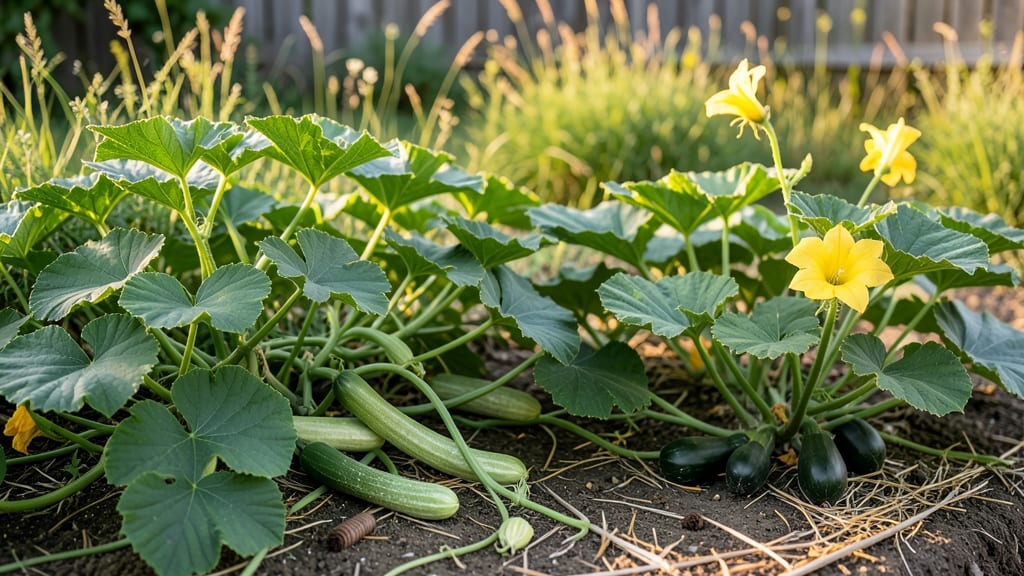
Planting squash and cucumbers together isn't just clever—it's a game-changer for small gardens. 🌱 The squash vines sprawl wide, shading soil to retain moisture while cucumbers climb nearby, creating a living pest-repellent duo that actually works.
My first year trying this, my cucumber yield doubled, and the squash stayed cleaner than ever before. This pairing thrives when you give them 6-8 feet of space between hills, with cucumbers trellised to save room.
The key is rich, well-draining soil—think compost mixed into the top 12 inches—and consistent watering at the base (never overhead). That's where the magic happens: cucumbers' rapid growth benefits from squash's shade, while squash's broad leaves deter pests like cucumber beetles.
By midsummer, you'll have vibrant green vines producing cucumbers and squash simultaneously, with fewer diseases and less weeding. The squash even acts as a living mulch, keeping roots cool in hot climates. It's not just companion planting—it's a foolproof way to maximize every square foot.
Works in containers too if you use dwarf varieties, though you'll need deeper pots (at least 12 inches). The real secret? Start seeds indoors 2-3 weeks before last frost, then transplant when soil warms to 60°F. That's when the real growth spurt begins.
📚 In This Guide
- What you need
- Instructions
- Tips and common mistakes
- Wrapping up and next steps
What you need
- ● Seeds or Seedlings: Squash (e.g., zucchini, butternut, or pumpkin) – 3-5 plants
- ● Cucumbers (bush or vining) – 2-4 plants
- ○ Companion plants (optional but recommended): Nasturtiums (pest-repelling) – 5-10 plants
- ● Marigolds (deter pests) – 3-5 plants
- ● Bush beans (nitrogen-fixers) – 4-6 plants
- ● Basil (improves flavor & repels pests) – 2-4 plants
- ● Garden Space: Full sun (6+ hours/day) – 6’ x 6’ minimum per plant trio
- ● Well-draining soil (pH 6.0-7.0)
- ● Soil Amendments: Compost (1-2 gallons per planting hole)
- ● Balanced fertilizer (5-10-10, 1 tbsp per plant)
- ● Garden trowel or transplanting spade
- ● Watering can or hose with gentle nozzle
- ○ Garden gloves (optional but handy!)
- ● Mulch (straw or shredded leaves, 2-3 inches thick)
- ● Trellis or stakes (for vining cucumbers, 5-6 ft tall)
- ○ Row cover or netting (optional, for pest protection)
- ● Last frost date: Wait until soil is at least 60°F (15°C) before planting.
- ● Spacing: Keep squash and cucumbers 3-5 ft apart to prevent disease spread.
- ● Water access: Ensure consistent moisture (1-2 inches per week).
Step-by-Step guide to planting squash and cucumbers together
Here’s how to create a thriving, pest-resistant garden bed where these summer favorites support each other.
🌱 Step 1: Choose the Right Companion Plants
Squash and cucumbers thrive when paired with plants that deter pests and improve growth. Start with bush beans—their nitrogen-fixing roots enrich the soil while repelling squash bugs. Add marigolds for their strong scent, which confuses pests like cucumber beetles. I also include nasturtiums around the edges; their peppery leaves act as a trap crop, drawing pests away from your main plants.
For extra protection, scatter dill or fennel near the base—these herbs attract beneficial predatory wasps that hunt cucumber beetles. Avoid planting near potatoes or sage, which can stunt their growth. Space companions 12-18 inches apart to allow airflow and reduce disease risk.
🪴 Step 2: Prepare the Garden Bed
Select a sunny spot with at least 6-8 hours of direct light daily. Squash and cucumbers are heavy feeders, so enrich the soil with 2-3 inches of compost mixed into the top 6 inches of soil. I like to work in a handful of aged manure for extra nutrients, especially if the soil is sandy or clay-heavy.
Test the soil pH—ideal for both is 6.0-6.8. If your soil is too acidic, add lime a few weeks before planting. Avoid fresh manure, which can burn roots. Instead, use well-decomposed compost or a balanced 10-10-10 fertilizer at planting time.
☀️ Step 3: Plant Squash and Cucumbers Strategically
Squash vines spread wide, while cucumbers climb. Plant squash first, spacing 3-4 feet apart in a hill system—mound soil into small pyramids to improve drainage and root growth. After 2-3 weeks, when squash plants are 4-6 inches tall, add cucumbers 12-18 inches away. Use trellises or cages for cucumbers to save space and reduce disease.
If growing bush varieties, place cucumbers 6-12 inches from squash hills. For vining types, train them upward with strong stakes or string trellises. This keeps foliage off the ground, reducing slug and beetle access. Water deeply at planting to settle roots, then maintain 1-2 inches of soil moisture weekly.
💧 Step 4: Maintain the Pairing for Optimal Growth
Mulch heavily with straw or shredded leaves to retain moisture and suppress weeds. This is critical—squash and cucumbers compete for water, and mulch keeps roots cool. Replenish mulch every 4-6 weeks as it breaks down. I also side-dress with compost tea every 2 weeks to boost microbial activity in the soil.
Watch for cucumber beetles or squash vine borers. If spotted, handpick adults early in the day and drop them into soapy water. For severe infestations, apply neem oil or Bt (Bacillus thuringiensis) as a targeted spray. Avoid broad-spectrum pesticides—they kill beneficial insects too.
✂️ Step 5: Harvest and Extend the Season
Harvest cucumbers when 6-8 inches long and firm to the touch. For squash, pick zucchini when 6-8 inches and pumpkins when rind hardens. Regular harvesting encourages more production. I leave 1-2 squash per vine to mature fully for seeds, while harvesting others young keeps plants productive.
To extend the season, cover young plants with floating row covers at night if temperatures dip below 55°F. Remove covers during the day for pollination. After the first frost, pull up remaining plants, compost healthy debris, and mark the spot—these heavy feeders will benefit from a fall cover crop like clover to restore nitrogen.
Tips & tricks for thriving squash and cucumber pairings
Between us, the real magic happens in the details—especially when you're working with two plants that thrive when they're not competing for everything. Here's what I've learned after years of trial and error in my own garden.
Companion Plant Placement: When you're arranging your bush beans, marigolds, and nasturtiums in Step 1, think of them as a living pest barrier. Place nasturtiums closest to the outer edges—they're the ultimate sacrificial plants, luring pests away from your squash and cucumbers. I like to create a concentric circle pattern: nasturtiums on the outside, marigolds in the middle ring, and beans interspersed between the squash hills. This creates natural airflow while maximizing pest confusion.
Soil Prep Pro Tip: In Step 2, don't just mix compost into the top 6 inches—work it down to 8-10 inches if possible, especially in sandy soils. I've found that squash roots can reach 2 feet deep, and cucumbers need consistent moisture at lower levels too. For clay-heavy soils, add perlite or coarse sand to improve drainage around your hills. The key is mimicking the natural loose soil these plants prefer in their native habitats.
Timing Your Planting: The 2-3 week window in Step 3 between planting squash and cucumbers is your opportunity to create a microclimate. By the time you add cucumbers, your squash plants should be 4-6 inches tall with established roots that will provide shade to the soil below. This helps maintain more even moisture levels for the cucumbers, which are more sensitive to temperature fluctuations. I often plant my cucumbers on a slightly cloudy day to reduce transplant shock during this critical period.
Pest Prevention Strategy: In Step 4, when you're checking for cucumber beetles, look for their eggs too—tiny yellow ovals on the undersides of leaves. Handpick them early morning when they're sluggish from dew. For squash vine borers, I've had success with a homemade remedy: wrap the stems with aluminum foil at the base of the plant. The aluminum reflects heat and confuses the moths looking to lay eggs. This works alongside your neem oil treatments but requires less chemical intervention.
Pro Tips for Plant Squash And Cucumbers Together
- Between us, the real magic happens in the details—especially when you're working with two plants that thrive when they're not competing for everything.
- Companion Plant Placement: When you're arranging your bush beans, marigolds, and nasturtiums in Step 1, think of them as a living pest barrier.
- Soil Prep Pro Tip: In Step 2, don't just mix compost into the top 6 inches—work it down to 8-10 inches if possible, especially in sandy soils.
Frequently asked questions
Got questions about planting squash and cucumbers together? You’re not alone!
Here are answers to the most common queries to help you garden like a pro.
Why do squash and cucumbers grow well together?
These plants are perfect companions because they share similar growing conditions (sun, water, and soil) and benefit from each other. Squash leaves act as a living mulch, keeping cucumbers cool and moist, while cucumbers deter pests that might target squash. It’s a win-win for space-saving and pest control!
When is the best time to plant them together?
Start planting after the last frost when soil temperatures are at least 60°F (15°C). Sow cucumber seeds first (they germinate faster) about 2–3 weeks before squash. If using transplants, space them 3–5 feet apart to give both plants room to sprawl. Early summer is ideal for most climates!
What if I don’t have enough space—can I grow them separately?
If space is tight, plant them in containers or raised beds with at least 12–18 inches of depth. Cucumbers thrive in vertical trellises, while squash need a 5–6 foot diameter to sprawl. Just ensure they get 6+ hours of sunlight daily. No guilt—adaptability is key!
Will planting them together attract more pests?
Not usually! While both plants attract beneficial pollinators like bees, squash and cucumbers repel common pests like cucumber beetles and squash bugs when grown together. However, watch for spider mites or aphids—spray with neem oil or introduce ladybugs if needed. Healthy plants = fewer pest problems!
What if my cucumbers or squash get diseases?
Rotate crops yearly to prevent soil-borne diseases like powdery mildew or bacterial wilt. If issues arise, prune affected leaves and apply copper fungicide. Avoid overhead watering (water at the base instead) to keep foliage dry. Companion planting helps, but early intervention is critical!
Can I add other plants to this trio?
Yes! Try nasturtiums (repel pests), marigolds (deter nematodes), or beans (fix nitrogen in the soil). Avoid planting near potatoes or melons, as they compete for nutrients. Keep it simple: stick to the happy trio for best results!
Wrapping up and next steps
Planting squash and cucumbers together isn’t just smart—it’s a game-changer for your garden! 🌱 These dynamic duo thrive as companions, repelling pests, maximizing space, and even improving flavor. Whether you’re a seasoned gardener or just starting, this pairing makes growing easier and more rewarding.
Ready to try it? Start small—pick a sunny spot, prep the soil, and plant your squash and cucumbers side by side. Watch your garden flourish with less effort and more harvests! 🌿