
Planting
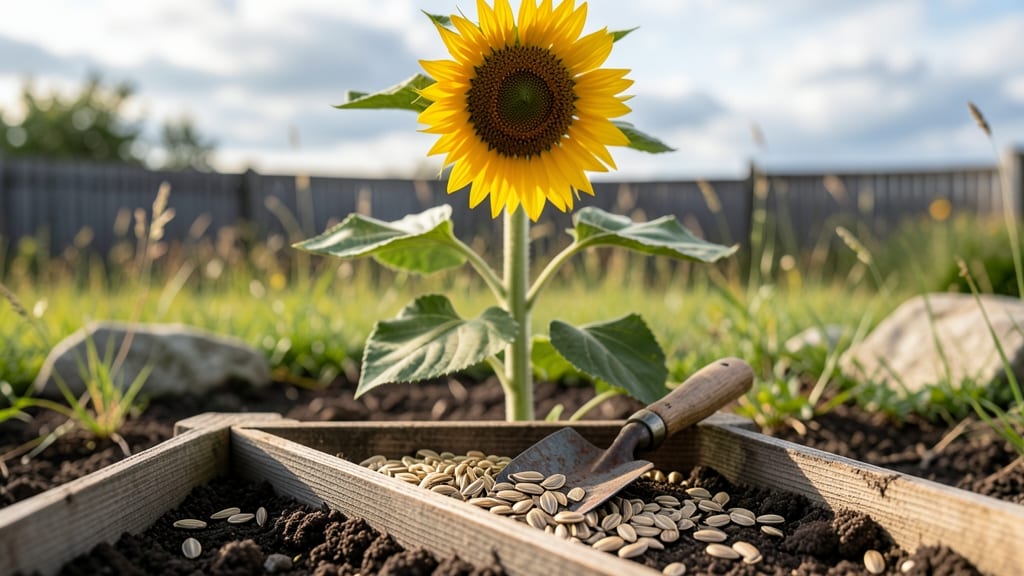
Planting sunflower seeds point up or down might seem like a small detail, but it’s the secret to stronger stems and faster germination. 🌻 I learned this the hard way after watching my first batch of sunflowers flop over before they even reached knee height—until I tried planting them the right way.
The trick is simple: plant seeds pointing down, about 1 inch deep, with the root end facing downward. This mimics how they grow in nature and encourages roots to anchor before the stem pushes upward.
Most seeds have a natural curve that makes this easy to spot—just look for the slightly tapered end. You’ll see bold green shoots breaking through the soil in just 5-7 days when done right.
The stems stay sturdy enough to support those towering blooms, and you’ll avoid the heartbreak of snapped stalks in windy weather. Just keep the soil consistently moist (not soggy) until germination. This method works for all sunflower varieties, from tiny Teddy Bear types to giant Mammoth varieties.
Now go plant those seeds—and watch them grow like they’re racing toward the sky!
📚 In This Guide
- What you need
- Instructions
- Tips and common mistakes
- Wrapping up and next steps
What you need
- ● Sunflower seeds: 10–20 seeds (choose a variety like 'Mammoth' or 'Autumn Beauty' for best results).
- ● Planting container or garden bed: Containers: 12–18" deep pots (minimum 6" diameter per seedling).
- ● Garden beds: Well-draining soil with full sun exposure (6+ hours/day).
- ● Potting soil or compost: 1–2 bags (sterile, nutrient-rich mix).
- ● Watering can or hose: With a gentle spray nozzle.
- ● Garden trowel or spoon: For digging small holes (1–2" deep).
- ● Ruler or measuring tape: To space seeds 6–12" apart (if planting multiple).
- ● Plant markers: To label varieties (if testing different seeds).
- ○ Fertilizer (balanced 10-10-10 or compost tea): Optional boost for faster growth.
- ● Stakes or trellis: For taller varieties (if needed for support).
- ● Warm soil (at least 50°F (10°C)—sunflowers hate cold!
- ● Patience! Sunflowers take 80–120 days to mature from seed.
- ● Sunny spot—no compromises here!
How to plant sunflower seeds for maximum germination and growth
Here's the simple trick I use every year to get sunflowers growing strong and straight.
🌱 Step 1: Prepare the Planting Site
Sunflowers thrive in loose, well-draining soil with plenty of sunlight. Work up the soil to a depth of 6-8 inches, breaking up any clumps so roots can easily penetrate. I like to add a handful of compost to the planting hole—this gives seedlings the nutrients they need to establish quickly.
Choose a location that gets full sun (6+ hours daily). If your soil is heavy clay or very sandy, mix in 2-3 inches of compost to improve fertility and moisture retention. The key is to create an environment where roots can spread freely without resistance.
🌱 Step 2: Plant Seeds at the Correct Depth and Orientation
Here's the trick: plant sunflower seeds point-up, about 1 inch deep. The reason is simple—sunflower seeds contain a natural food reserve that helps the seedling grow its first roots and shoot. Planting them point-up ensures the seedling emerges straight and strong.
Drop 2-3 seeds per hole spaced 6 inches apart in rows that are 18-24 inches apart. This spacing gives plants room to grow without competing for light or nutrients. After planting, gently firm the soil around the seeds with your fingers to ensure good contact.
💧 Step 3: Water Gently and Maintain Moisture
Water the soil thoroughly right after planting to settle it around the seeds. Use a gentle spray or a watering can with a fine rose attachment—you don’t want to disturb the seeds. Keep the soil consistently moist but not soggy until germination, which usually takes 7-14 days.
Once seedlings emerge, water at the base of the plants in the morning to avoid fungal diseases. Aim for 1 inch of water per week, adjusting for rainfall. You’ll know you’re doing it right when the soil feels damp 1-2 inches down but not waterlogged.
☀️ Step 4: Thin Seedlings for Stronger Growth
When seedlings reach 2-3 inches tall, thin them to the strongest plant per hole. Use scissors to snip unwanted seedlings at the base—this prevents disturbing the roots of the plants you’re keeping. I always leave the one with the darkest green leaves and sturdiest stem.
Thinning ensures your sunflowers have enough space and nutrients to grow tall and sturdy. After thinning, give the remaining plants a light watering to help them recover. You’ll see a noticeable difference in their growth rate within a week.
✂️ Step 5: Support and Maintain Through the Season
As sunflowers grow, their stems can become top-heavy. If you notice them leaning, gently tie them to a stake or use a tomato cage for support. I like to plant a stake at the time of sowing so I don’t disturb the roots later.
Continue watering at the base, especially during dry spells. Sunflowers are drought-tolerant once established, but consistent moisture during their early growth ensures they develop strong stems. Watch for pests like aphids or beetles—spray with water or use neem oil if needed to keep them at bay.
Tips & tricks for planting sunflower seeds right
Here's what nobody tells you about getting those towering stems from the start.
Seed Orientation Secret: Planting seeds point-up isn't just a suggestion—it's the difference between a lanky, leaning stalk and a sturdy, straight sunflower. The seed's natural food reserve (called the cotyledon) is positioned to grow upward when planted this way, giving your plant an instant advantage. I've seen seeds planted point-down struggle with weak stems that can't support their own weight later.
Soil Prep Pro Tip: Don't just scratch the surface when preparing your planting site. Dig down to that 6-8 inch depth to break up compacted soil layers—this is where the roots will spread most aggressively. I like to use a broadfork to aerate the soil without disturbing the top layer too much. This creates perfect channels for those deep taproots that anchor your sunflowers against wind.
Thinning Technique: When thinning those 2-3 inch tall seedlings, don't just pull them—snip at the base with clean scissors. This prevents disturbing the roots of your kept plants and gives you cleaner results. I always thin on a cloudy day to reduce stress on the remaining seedlings. You'll notice the remaining plants perk up noticeably within 24 hours.
Watering Wisdom: That 1 inch per week guideline is perfect, but timing matters too. Water in the morning so leaves have time to dry before evening—this prevents fungal diseases that can weaken your plants. I use a rain gauge to track rainfall so I don't overwater, especially after those 7-14 day germination periods when roots are establishing.
Pro Tips for Plant Sunflower Seeds Point Up Or Down
- Here's what nobody tells you about getting those towering stems from the start.
- Seed Orientation Secret: Planting seeds point-up isn't just a suggestion—it's the difference between a lanky, leaning stalk and a sturdy, straight sunflower.
- Soil Prep Pro Tip: Don't just scratch the surface when preparing your planting site.
Frequently asked questions
Got questions about planting sunflower seeds the right way? You’re not alone! Here are some of the most common ones—and the answers you need to grow those towering beauties with confidence.
Does it really matter if I plant sunflower seeds point up or down?
Not at all! Sunflower seeds are hypogeal, meaning their food supply (the cotyledons) stays below ground. Plant them any orientation—upright, sideways, or even upside down—they’ll still sprout just fine. The key is depth and moisture, not direction!
How deep should I plant sunflower seeds if I’m not sure about orientation?
Aim for 1 inch deep in well-drained soil. Press the seed gently into the soil (no need to bury it deep) and water lightly to keep it moist. If planted too shallow, they may dry out; too deep, and they might struggle to break through. Pro tip: Use your finger to make a small hole—easy and consistent!
What’s the best time of year to plant sunflower seeds for maximum height?
Sunflowers thrive in warm soil (60°F+), so plant after the last frost in spring. For giant varieties, start seeds indoors 4–6 weeks before the last frost or direct-sow outdoors once temperatures are stable. In warmer climates, a fall planting (6–8 weeks before first frost) can yield smaller but still impressive blooms.
Can I plant sunflower seeds too close together? What if they don’t germinate?
Space seeds 6–12 inches apart (check your variety’s needs—some dwarf types can be closer). If they don’t sprout within 7–14 days, they may have rotted (too wet) or dried out. Troubleshoot:
- Replant a few extra seeds nearby.
- Check soil moisture—keep it consistently damp (not soggy).
- Ensure seeds are fresh (store-bought seeds last 1–2 years).
Are there any alternatives if I can’t plant seeds outdoors?
Try these low-maintenance options:
- Container gardening: Use a 5-gallon pot with drainage, planting 1–2 seeds per container. Dwarf varieties (like ‘Teddy Bear’) work best.
- Window boxes: Perfect for small spaces—just ensure they get 6+ hours of sun daily.
- Transplant seedlings: Buy young sunflower plants from a nursery and pop them into the ground after hardening off (acclimate to outdoor temps for 5–7 days).
Bonus: Sunflowers love companion planting with beans, borage, or marigolds!
Wrapping up and next steps
Planting sunflower seeds with their pointy ends facing up isn’t just a gardening myth—it’s a simple trick that boosts germination and stem strength! By following the right techniques, you’ll enjoy healthier plants and stunning blooms all season long. 🌻
Ready to try it? Grab your seeds, a sunny spot, and a little patience—your garden’s next masterpiece is just a few inches underground away! Start planting today and watch your sunflowers thrive!