
Planting
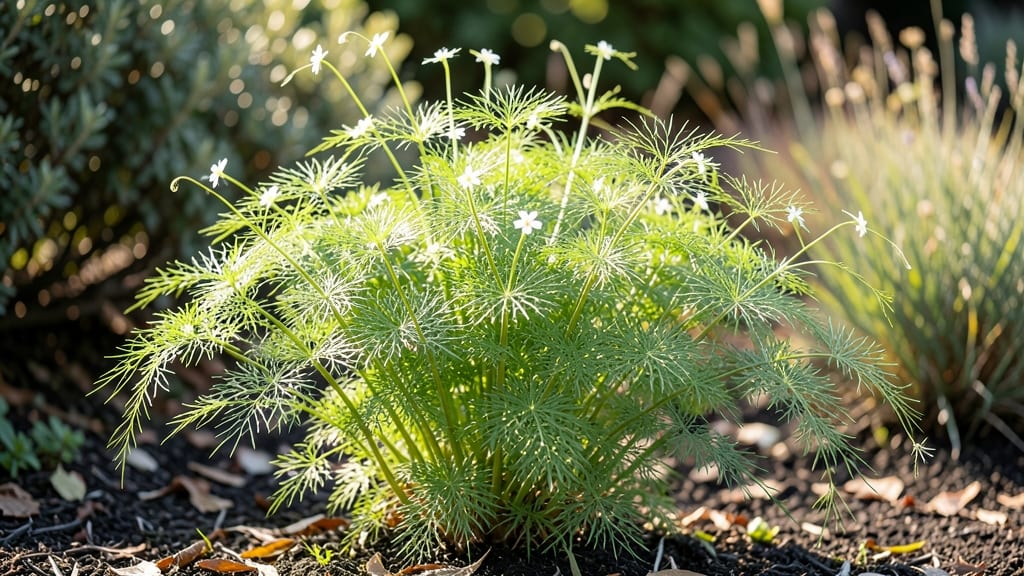
That plant that looks like asparagus with white flowers isn't a mislabeled vegetable—it's likely Ornithogalum thyrsoides, the "chicken foot" lily. 🌿 I've grown it for years, and its grassy foliage and starry blooms add textured elegance to shady borders where asparagus struggles.
The secret to its success is moist, well-draining soil and partial shade—it thrives where traditional asparagus would bolt. Water consistently but avoid soggy roots, and you'll get months of blooms from spring through summer. Unlike asparagus, this plant spreads happily without becoming invasive.
You'll love how it softens garden edges with its airy foliage while attracting pollinators. The flowers even make lovely cut blooms for indoor arrangements. Perfect for cottage gardens, woodland settings, or as a striking container plant.
While not edible like asparagus, its ornamental value makes it a standout perennial. Let's dive into how to grow yours!
Understanding Its Growth Triggers
If you’ve ever spotted a plant resembling asparagus but adorned with delicate white flowers—likely Ornithogalum umbellatum, or star-of-Bethlehem—you might wonder why it thrives in certain conditions while struggling elsewhere. The answer lies in its natural growth triggers, which are deeply tied to its evolutionary adaptations and environmental preferences.
Let’s break down the key factors that influence its appearance and flowering.
The star-of-Bethlehem is a Mediterranean native, meaning it evolved in regions with distinct seasonal shifts—hot, dry summers and cool, wet winters. These conditions shape its growth patterns:
- Drought tolerance: Its thick, fleshy roots store water, allowing it to survive prolonged dry spells. If your climate mimics this (e.g., Mediterranean or semi-arid zones), the plant will likely flourish and produce its signature white umbel flowers.
- Well-drained soil: Heavy, waterlogged soil suffocates its roots. In its native habitat, rocky or sandy soils prevent rot. If your garden retains too much moisture, the plant may bolt (flower prematurely) or fail to establish properly.
- Full sun exposure: In the wild, it baskes in 6+ hours of direct sunlight daily. Shady spots slow its growth, leading to leggy stems and fewer flowers. Think of it like a sun-worshipper—it needs that light to trigger blooming.
This plant has a dormancy cycle tied to temperature shifts, which explains why it might go dormant in some climates:
- Cool-season growth: It typically sprouts in early spring (50–60°F) and flowers by late spring. If planted in a region with consistent warmth year-round, it may struggle to enter dormancy, leading to weak growth or no flowers.
- Summer dormancy: In hot climates, the plant may go dormant in summer to conserve energy. If you’re in a tropical zone, mimic this by reducing watering during peak heat—this prevents stress and ensures a stronger rebloom in cooler months.
- Avoid frost damage: While it tolerates light frosts, hard freezes (below 20°F) can kill it. In colder regions, plant it in protected spots or mulch heavily to insulate the roots.
Over- or under-watering can drastically alter its appearance, often leading to no flowers or stunted growth. Here’s how to get it right:
| Issue | Cause | Fix |
|---|---|---|
| No flowers, just long green stems | Too much nitrogen (e.g., over-fertilizing with lawn fertilizer). The plant focuses on leafy growth over blooms. | Switch to a low-nitrogen, high-phosphorus fertilizer (like 5-10-10) to encourage flowering. |
| Yellowing leaves or wilting | Overwatering or poor drainage. Roots rot in soggy soil. | Let soil dry 2–3 inches deep between waterings. Amend clay soil with sand or perlite. |
| Small, sparse flowers | Underwatering or nutrient deficiency (e.g., lack of potassium). | Water deeply once a week (more in extreme heat). Add a balanced fertilizer in early spring. |
This plant is not picky about soil pH (it thrives in 6.0–7.5), but its growth hinges on texture and organic matter:
- Heavy clay soil: Compacts easily, cutting off oxygen to roots. Result? Stunted growth and few flowers.
- Sandy soil: Drains too quickly, starving roots of nutrients. The plant may bolt early to reproduce before resources run out.
- Solution: Mix in compost or aged manure to improve structure and fertility. Aim for loamy soil—the Goldilocks zone for this plant.
By aligning your care routine with these natural triggers, you’ll coax your asparagus-like plant into producing its showstopping white blooms year after year. 🌸
Quick Fixes for Common Growth Issues
If your asparagus-like plant with delicate white blooms isn’t thriving, don’t worry—most problems have simple, effective solutions. Below, we’ll map common issues to practical fixes, so you can revive your plant and keep it flourishing. Prevention tips are included to help you avoid future headaches!
Cause: Overwatering, poor drainage, or root rot. Fix It:
- 🔥 Check the Soil First – Stick your finger 1–2 inches into the soil. If it’s soggy, your plant is drowning. Let it dry out before watering again.
- 🍳 Improve Drainage – Mix in perlite or sand to loosen heavy soil. If potted, ensure the container has drainage holes.
- 👨🍳 Trim the Damage – Snip off yellow or mushy leaves to prevent further rot from spreading.
- ⏰ Adjust Watering – Water deeply but infrequently (every 7–10 days, depending on climate). Avoid letting it sit in standing water.
💡 Prevention Tip: Use a moisture meter or the "squeeze test" (gently press the soil—if water drips out, it’s too wet).
Cause: Nutrient deficiency, improper sunlight, or overcrowding. Fix It:
- 🌡️ Boost Sunlight – These plants love 6+ hours of direct sun daily. Move potted plants to a sunnier spot or thin out nearby shade-casters.
- 📊 Feed the Soil – Apply a balanced fertilizer (10-10-10) in early spring. For organic options, use compost or worm castings.
- 🎯 Prune for Airflow – Trim back dense foliage to improve circulation. This reduces humidity buildup, which can attract pests.
- ✨ Divide Overcrowded Plants – If roots are tangled, dig up clumps, separate them, and replant in fresh soil.
💡 Prevention Tip: Mulch around the base with 2–3 inches of organic mulch (like straw or wood chips) to retain moisture and nutrients.
Cause: Dry air, weak plants, or poor hygiene. Fix It:
- 🔪 Blast Off Pests – Spray infested areas with neem oil (mix 1 tbsp with 1 quart of water) or soapy water (1 tsp mild dish soap per quart).
- 🌡️ Increase Humidity – Place a tray of water near the plant or use a humidifier, especially in dry climates.
- 🍳 Introduce Beneficial Insects – Ladybugs or lacewings eat aphids naturally. Buy them online or from garden centers.
- 🎯 Clean Up Debris – Remove fallen leaves and weeds where pests hide.
💡 Prevention Tip: Inspect new plants before bringing them home—quarantine them for a week to catch hitchhiking pests early.
Cause: Low humidity, harsh winds, or inconsistent watering. Fix It:
- 💧 Water Deeply & Regularly – Water until it drains from the bottom, then wait until the top inch of soil is dry.
- 🛡️ Shield from Wind – If outdoors, place the plant near a windbreak (like a fence or hedge).
- 🌡️ Mist Gently – Lightly mist leaves in the morning to boost humidity (avoid evening misting to prevent fungal issues).
- 🎯 Trim Damaged Tips – Snip off brown edges with clean scissors to encourage new growth.
💡 Prevention Tip: Group plants together to create a microclimate that retains moisture and reduces wind exposure.
Final Thought: Most issues with your asparagus-like beauty are fixable with a little TLC. Start with soil checks, sunlight adjustments, and proper watering, and you’ll see a comeback in no time!
For stubborn problems, don’t hesitate to repot or divide—your plant will thank you with lush greenery and stunning white blooms. 🌸
Frequently asked questions
Is this plant edible like asparagus?
No, while it resembles asparagus in appearance, most varieties with white flowers—like Ornithogalum or Asphodelus—are ornamental and not edible. The foliage may have a mild, grassy taste but isn't cultivated for food like true asparagus (Asparagus officinalis). Focus on its stunning blooms and textured leaves for garden appeal!
Why isn't my plant flowering?
Lack of blooms often stems from too much nitrogen (leafy growth over flowers) or insufficient sunlight (6+ hours daily). Try switching to a low-nitrogen fertilizer (like 5-10-10) and moving it to a sunnier spot. Overcrowded roots can also delay flowering—divide clumps every 3-4 years for better performance.
How do I tell it apart from invasive asparagus?
True asparagus has feathery, fern-like foliage and produces red berries, while this plant typically has straight, grass-like leaves and star-shaped white flowers. Invasive asparagus spreads aggressively via underground rhizomes, while these ornamental varieties spread more slowly and are non-invasive in most climates.
Can I grow this in containers?
Choose a pot with drainage holes and use well-draining soil mix (add perlite or sand). A 12-inch diameter container works well for one plant. Place it in partial shade to full sun and water when the top 1-2 inches of soil dry out. Container-grown plants may need occasional division when roots become crowded.
Are these flowers toxic to pets?
Some varieties like Ornithogalum contain mild toxins that can cause stomach upset if ingested in large quantities. Keep pets away from chewed leaves or flowers. If your pet shows signs of vomiting or lethargy after exposure, contact your vet. Choose pet-safe alternatives like Liriope if you have curious animals.