
Planting
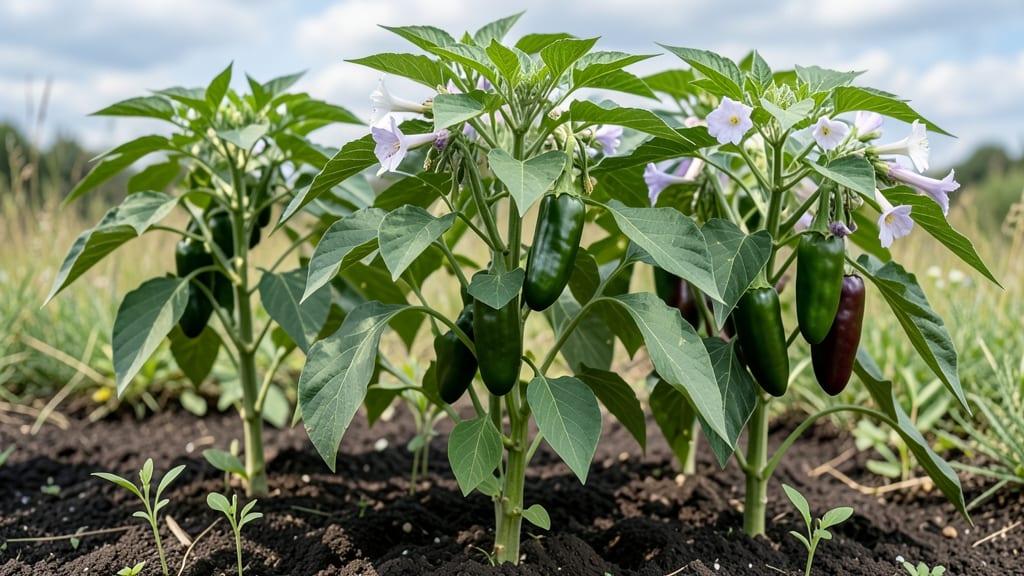
Understanding the poblano plant stages helps you track progress from tiny sprouts to harvest-ready peppers 🌶️ — and each phase has its own care needs.
Growing poblano peppers from seed to harvest is a rewarding journey—but knowing exactly what to expect at each stage helps you avoid common pitfalls and maximize your yield.
You’ll start with delicate seedlings that need gentle handling, then watch them shoot up into bushy plants ready for flowering. Without the right care at each step, even the hardiest plants can struggle.
Below, I break down every stage with size and color cues, plus stage-specific tips to keep your poblanos thriving from seed to harvest.

Poblano pepper growth stages by size and color: a visual timeline
Tracking your poblano pepper growth stages by size and color helps you anticipate care needs and troubleshoot issues before they escalate. Each phase—from seedling to fruiting—brings distinct visual cues that signal progress.
Understanding these markers ensures you provide the right support at the right time, whether it's adjusting sunlight, fertilizing, or protecting against pests.
Poblano peppers typically take 75-90 days to mature, but their journey begins much earlier. The transition from a tiny seed to a 3-4 inch pepper involves four key stages: germination, vegetative growth, flowering, and fruiting.
Each stage comes with specific size milestones and color changes that act as your garden's progress report. Let's break down what to expect at each step.
Your poblano pepper seedling will emerge within 7-14 days after planting, reaching 0.5-2 inches tall during the first three weeks. Look for dark green leaves with a slightly waxy texture—this indicates healthy photosynthesis.
At this stage, focus on maintaining 70-80°F soil temperatures and keeping humidity high to prevent leggy growth. If your seedlings appear pale or stretched, they're likely not getting enough light.
Once your poblano reaches the vegetative stage (typically 3-6 weeks after germination), you'll notice rapid stem elongation and the development of larger, brighter green leaves. This is when your plant grows its framework, reaching heights of 12-24 inches.
Prune any yellowing leaves and ensure it gets 6-8 hours of sunlight daily. The goal here is to build a sturdy plant capable of supporting future fruit.
When you spot white or lavender flowers appearing along the stems, your poblano has entered the flowering stage, usually around 6-8 weeks after planting. These delicate blooms signal the plant's readiness to produce fruit.
To encourage pollination, gently shake the plant or use a small brush to transfer pollen between flowers. In indoor settings, a handheld fan on low setting can help simulate natural wind pollination.
The fruiting stage begins when those white flowers transform into small green peppers, marking the final countdown to harvest. By 8-12 weeks, your poblano peppers will grow to their mature size of 3-4 inches and develop a dark green to slightly purple hue.
This is when you'll need to monitor moisture levels closely—underwatering can cause peppers to become bitter, while overwatering may lead to blossom end rot.
One of the most satisfying moments is watching your poblano peppers transition from bright green to their signature dark green or purple color. This color change indicates full maturity and peak flavor.
Pay attention to the stem color—when it turns from green to dry and brown, it's a clear sign the pepper is ready for harvest. Remember, poblano peppers can also be harvested when still green for a milder taste, but they'll reach their full potential when fully mature.
If your poblano peppers aren't following this timeline, don't panic. Factors like temperature fluctuations, nutrient deficiencies, or pest damage can slow growth. For example, temperatures below 55°F can stunt flowering, while inconsistent watering may cause peppers to crack.
Always check your plant's soil moisture and adjust care as needed to keep your poblano on track for a successful harvest.
By familiarizing yourself with these visual growth cues, you'll develop an intuitive understanding of your poblano's needs at every stage. This knowledge not only helps you anticipate care requirements but also allows you to celebrate each milestone—from the first sprouts to the final harvest.
With patience and attention to detail, you'll enjoy a bountiful crop of these versatile peppers.
Critical care tips for each poblano plant stage to ensure healthy growth
Poblano peppers thrive when you tailor care to their specific growth stages. From delicate seedlings to robust fruiting plants, each phase demands unique attention. Understanding these needs helps you prevent common issues like blossom end rot or pest infestations while maximizing your harvest.
Start with seedlings that need gentle handling and consistent moisture. As they transition to vegetative growth, focus shifts to sunlight and nutrient balance. Later stages require vigilance against pests and proper watering techniques to support fruit development.
Here’s how to address the most critical challenges at each stage—so you can grow healthy, productive poblano plants from start to finish.
⚠️ Stage-Specific Pitfalls to Avoid
- Seedlings: Overwatering causes damping off (fungal rot). Use seedling trays with drainage holes.
- Vegetative: Underwatering stresses roots. Keep soil consistently moist but never soggy.
- Flowering: Calcium deficiency leads to blossom end rot. Apply eggshell tea or lime.
- Fruiting: Pest pressure peaks. Inspect leaves daily for aphids or spider mites.
Pro tip: Rotate plants weekly to ensure even sunlight exposure and prevent leggy growth.
For seedlings, maintain humidity with a clear plastic dome or misting bottle. Once true leaves appear, harden off seedlings by gradually reducing humidity over 7–10 days. Transplant when they reach 3–4 inches tall and have 4–5 leaves.
During vegetative growth, poblano plants crave 6–8 hours of sunlight daily. Use a balanced fertilizer (10-10-10) every 4–6 weeks to encourage leafy growth. Monitor for yellowing leaves, which may signal overwatering or nutrient deficiencies.
When flowering begins, reduce nitrogen to shift energy toward fruit production. Hand-pollinate if needed by gently shaking plants on calm days. Watch for blossom end rot—a calcium deficiency causing dark, sunken spots on peppers. Fix it by adding calcium-rich amendments like crushed eggshells.
In the fruiting stage, increase watering slightly to support heavy pepper loads. Prune suckers (side shoots) to direct energy to fruit development. Use row covers if pests like hornworms appear, and harvest regularly to encourage continuous production.
By addressing these stage-specific needs, you’ll nurture poblano plants that thrive from seed to harvest—yielding 3–4 inch peppers with rich, earthy flavor. Happy growing! 🌱