
Planting
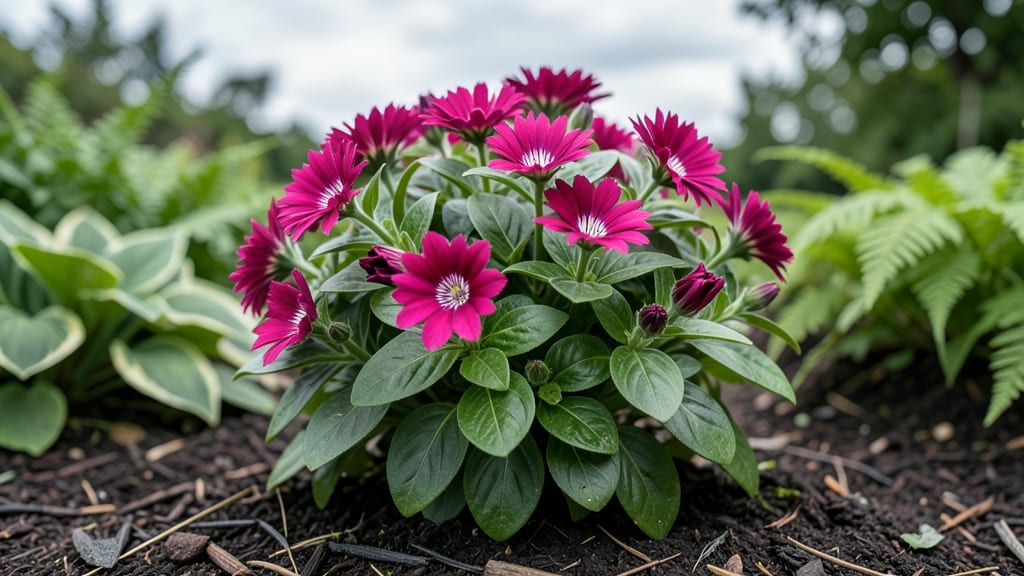
Your garden deserves a pop star plant—that one showstopper that makes neighbors pause and ask, "What is that?" 🌟 These bold vertical accents aren’t just pretty; they transform ordinary spaces into eye-catching statements.
Think crimson cannas reaching skyward, black mondo grass cascading like a living curtain, or torch lilies blazing in sunset hues. The secret? Pairing drama with structure—tall plants that draw the eye upward while softer companions balance the scene.
Start with a focal point—a single plant or small group that anchors the design. My go-to choices are Angel Wing Begonias for velvety texture, Dracaena marginata for architectural sleekness, or Canna 'Striped in Pink' for tropical flair.
These thrive in partial shade to full sun, making them versatile for patios, borders, or even container gardens. The key is height contrast: pair a 6-foot Dracaena with 18-inch heucheras or ferns to create layers that feel intentional, not crowded.
What you’ll end up with is a garden that commands attention—not just in spring, but all season long. The right pop star plant turns a blank wall into a vertical masterpiece, a dull corner into a conversation starter.
Imagine deep purple sweet potatoes spilling over a trellis or variegated hostas framing a pathway. These plants aren’t just grown; they’re curated to make your outdoor space unforgettable.
Works for any style—modern, cottage, or even minimalist—because the magic isn’t in the theme, but in the confidence of the plant choice. Whether you’re refreshing an old bed or designing a new one, these vertical accents deliver instant curb appeal with minimal effort. Let’s pick your star.
📚 In This Guide
- What you need
- Instructions
- Tips and common mistakes
- Wrapping up and next steps
What you need
- ● Pop Star Plant (Clivia miniata): 1 mature plant (3–4 years old) or 3–5 small offsets (pups) for faster growth.
- ● Well-draining potting mix: 1 bag (5–10 quarts) of a blend for tropical plants (e.g., 50% peat moss, 30% perlite, 20% orchid bark).
- ● Container: 1 12–16-inch diameter pot with drainage holes (terracotta or ceramic preferred).
- ● Slow-release fertilizer: 1 packet (10–20 oz) of balanced 10-10-10 or 20-20-20 for tropical plants.
- ● Watering can: 1 with a rose attachment for gentle hydration.
- ● Garden trowel or small shovel for repotting.
- ● Misting bottle for humidity control (especially in dry climates).
- ● Plant ties or stakes to support tall foliage (if growing in a hanging planter).
- ● pH testing kit to ensure soil is slightly acidic (6.0–6.5).
- ● A bright, indirect light spot (e.g., near an east- or north-facing window, or under grow lights).
- ● Consistent room temperature (65–75°F)—avoid drafts or cold windows.
- ● Patience! Pop Star Plants thrive in containers for years and reward slow, steady growth.
How to create a striking pop star plant display
Transform your space with this high-impact vertical arrangement that turns ordinary plants into a showstopping feature.
🪴 Step 1: Select Your Star Players
Choose four plants with dramatic foliage or striking flowers—think variegated monstera, deep burgundy coleus, or spiky dracaena. I always pick one focal plant with bold textures or colors, then pair it with three complementary varieties for contrast. For example, a glossy snake plant alongside trailing pothos creates instant visual drama.
Ensure each plant has similar light requirements to prevent uneven growth. If mixing sun-lovers with shade plants, position the arrangement near a bright window but avoid direct afternoon sun, which can scorch delicate leaves. The key is harmony: one standout plant with supporting actors that enhance—not compete with—its presence.
🌿 Step 2: Prepare Containers for Height and Flow
Use four containers of varying heights (a 12-inch planter as the base, two 8-inch pots in the middle, and a 6-inch hanging planter at the top). I like to mix materials—terra cotta for earthy texture and sleek black plastic for modernity—to add visual interest. Drill extra drainage holes if needed, as waterlogged roots will kill your "stars" faster than poor lighting.
Fill each container with well-draining potting mix, pressing it down lightly to eliminate air pockets. Leave 1 inch of space at the top to prevent overflow when watering. The tallest plant goes in the back, with progressively shorter ones in front, creating a layered effect that draws the eye upward—just like a pop star commanding the stage.
☀️ Step 3: Arrange for Maximum Impact
Start by placing the tallest plant in the back center of your arrangement. Then, position the middle-height plants at slightly offset angles—one to the left, one to the right—to create movement. Finally, tuck the trailing plant in the hanging pot at the top, letting it spill over the edge for a dynamic finish. Step back frequently to check for balance; you want the eye to land naturally on the focal plant.
Adjust spacing so leaves don’t touch between plants—this prevents mold and allows each "star" to shine. If a plant looks lost, add a few inches of orchid bark or decorative stones around its base to anchor it visually. The goal is a composition that feels intentional, not random.
💧 Step 4: Water and Maintain the Show
Water the arrangement from the bottom by placing all containers in a tray of 1 inch of water for 15-20 minutes. This ensures even moisture without oversaturating any one plant. After watering, let excess drain completely—soggy soil is the fastest way to lose your pop star’s luster. Check soil moisture by sticking your finger 1 inch deep; if it feels dry, it’s time to water again.
Rotate the entire display a quarter turn weekly so all sides get even light. Dust leaves with a damp cloth every 2-3 weeks to keep them vibrant. Fertilize monthly with a balanced liquid fertilizer during growing season, but cut back in winter when growth slows. Think of it like backstage maintenance—your plants will thank you with a longer, brighter performance.
✂️ Step 5: Prune and Refresh for Longevity
Trim any leggy growth or yellowing leaves immediately to keep the arrangement looking polished. I always snip just above a leaf node with clean, sharp scissors—this encourages bushier growth and prevents unsightly bare stems. For trailing plants, gently guide vines in the direction you want them to grow, securing them with soft plant ties if needed.
Every 3-4 months, refresh the arrangement by swapping out one or two plants for new varieties. This keeps the display feeling fresh and prevents overcrowding. For example, replace a spent annual with a vibrant calathea or peperomia to keep the energy high. The secret to a lasting pop star plant display? Never let it get stale—always have a backup act ready.
Tips & tricks for stunning vertical plant arrangements
These game-changing tips will help you turn your plant display into a true showstopper that commands attention.
Focal Plant Selection: When choosing your star player, look for plants with contrasting textures and colors—like a velvety snake plant paired with a glossy pothos. The focal plant should be 20-30% taller than its supporting cast to create that dramatic vertical line. I always test arrangements by stepping back 6 feet—if the focal plant doesn't immediately catch the eye, it needs to be more prominent.
Container Material Matters: Mixing materials like terra cotta and black plastic creates visual contrast that makes your arrangement pop. For the 12-inch planter and 8-inch pots, I recommend terra cotta for its natural, earthy look, while the 6-inch hanging planter benefits from sleek black plastic to make the trailing plant stand out. Pro tip: Add decorative stones around the base of your focal plant to anchor it visually and create depth.
Watering Technique: The 15-20 minute bottom-watering method ensures even moisture distribution without oversaturating any one plant. After placing containers in the tray, let them sit for the full time—this prevents root rot while keeping all plants hydrated. I like to set a timer so I don't forget, especially with busy arrangements where some plants might need more water than others.
Seasonal Refresh Strategy: That 3-4 month refresh timeline is your secret weapon for maintaining curb appeal. I schedule refreshes right before holidays or special occasions when your display will be most visible. For winter arrangements, swap out any frost-sensitive plants with hardy varieties like zebra plant or cast iron plant that thrive in cooler conditions.
Pro Tips for Pop Star Plant
- These game-changing tips will help you turn your plant display into a true showstopper that commands attention.
- Focal Plant Selection: When choosing your star player, look for plants with contrasting textures and colors—like a velvety snake plant paired with a glossy pothos.
- Container Material Matters: Mixing materials like terra cotta and black plastic creates visual contrast that makes your arrangement pop.
Frequently asked questions
How fast does Pop Star Plant grow, and when will I see those striking blue-green spikes?
The Pop Star Plant grows at a moderate pace—expect 12–24 inches per year under ideal conditions. You’ll start noticing its iconic upright, arching stems and vibrant foliage within 2–3 months of planting. For faster results, plant in well-draining soil and keep it in full sun (6+ hours daily). Patience pays off, though—this plant hits its peak drama in 2–3 years!
Can I grow Pop Star Plant in containers, or is it strictly for garden beds?
Yes!
This plant thrives in large containers (18"+ diameter) with excellent drainage. Use a light, airy potting mix (add perlite or sand) and a pot with drainage holes. Just know it may need annual repotting as roots expand. For vertical accents, choose narrow, deep pots to encourage upward growth. Pro tip: Place containers in sunny spots and water when the top inch of soil feels dry.
Is Pop Star Plant drought-tolerant once established? How often should I water it?
Once established (after the first year), Pop Star Plant is moderately drought-tolerant but still needs regular watering during dry spells. Water deeply 1–2 times per week in summer, letting the soil dry slightly between sessions. Avoid soggy soil—this plant hates "wet feet." In winter, reduce watering to every 2–3 weeks unless you’re in a very dry climate. Troubleshooting: Yellowing leaves? You’re overwatering!
What’s the best way to prune Pop Star Plant to keep it looking neat and encourage more "pop"?
Prune in early spring to shape the plant and remove dead or leggy stems. Cut back 1/3 of the oldest stems to the ground to encourage new, vibrant growth. You can also lightly trim the tips of stems in summer to promote bushiness. Avoid heavy pruning in fall—this plant needs time to harden off for winter. Bonus: Pruned stems make great dried arrangements!
Are there any pests or diseases I should watch for with Pop Star Plant?
This hardy plant is pest-resistant, but keep an eye out for aphids or spider mites (especially in hot, dry weather). Treat with neem oil or a strong spray of water if you spot them. Powdery mildew can occur in humid conditions—ensure good air circulation and avoid overhead watering. Root rot is the biggest risk, so never plant in heavy clay without amending the soil. Quick fix: If leaves wilt, check for overwatering or compacted soil.
Wrapping up and next steps
The Pop Star Plant isn’t just a trend—it’s a game-changer for adding bold, vertical flair to your outdoor space with minimal effort. With its striking foliage and easy-care nature, this plant turns ordinary walls or fences into eye-catching art.
Whether you’re a seasoned gardener or a beginner, this recipe proves curb appeal is within reach!
Ready to level up your garden? Grab your supplies, follow the steps, and watch your space transform. Start small—pick a corner, a fence, or a trellis—and let your Pop Star Plant steal the show! 🌿✨