
Planting
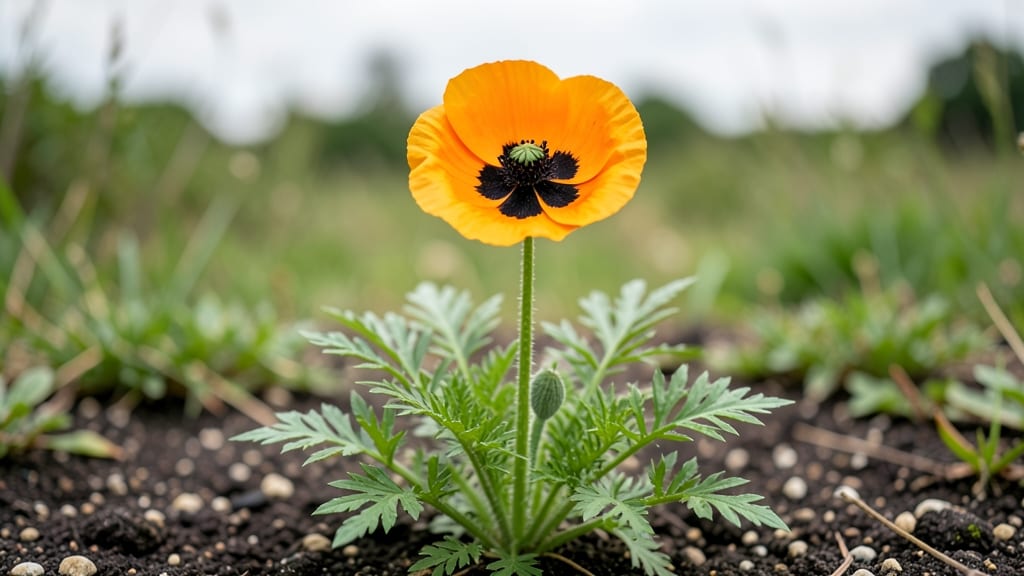
Growing the orange poppy plant that bursts into color from early spring through frost is my secret weapon for instant garden drama. 🌸 These cold-hardy annuals (yes, they come back every year) handle zones 3-9 with ease, and their fiery blooms outshine even the most expensive garden center displays.
The key? Planting them in well-drained soil with full sun exposure—anywhere else and you'll end up with leggy stems and sparse flowers.
I've learned the hard way that orange poppies despise soggy feet, so raised beds or slopes work best. They're also surprisingly drought-tolerant once established, which means less fussing over watering schedules. The trade-off?
They bolt quickly in heat, so succession planting every 2-3 weeks keeps your orange carpet continuous from May until first frost. That's 6+ months of vibrant color with minimal effort.
What you'll get is a garden that pops with sunshine-yellow-orange blooms that hummingbirds adore. The plants grow 12-18 inches tall, perfect for borders or mixed containers. They even self-seed reliably, though I deadhead spent blooms to encourage more flowers. The fragrance? Light and fresh—nothing overpowering, just cheerful.
Works beautifully in cottage gardens, wildflower meadows, or even as a dramatic front-row plant. The secret to long-lasting blooms is consistent moisture during establishment, then letting nature take its course. Here's how to make them thrive in your space—no matter where you live in zones 3-9.
📚 In This Guide
- What you need
- Instructions
- Tips and common mistakes
- Wrapping up and next steps
What you need
- ● Poppy seeds (orange variety): 1 packet (typically 500–1,000 seeds). Look for Papaver rhoeas or Papaver somniferum (non-opium varieties for ornamental use).
- ● Well-draining potting soil: 1–2 bags (1–2 cubic feet each). Mix with perlite or sand (1:4 ratio) for improved aeration.
- ○ Containers (optional for indoor starts): 4–6 biodegradable seedling pots (2–3 inches deep) or
- ● A seed-starting tray with individual cells.
- ● Garden bed or large container (for transplanting): At least 6–12 inches deep, with full sun exposure (6+ hours/day).
- ● Hand trowel or small shovel for digging soil.
- ● Spray bottle (for gentle watering of seeds).
- ○ Garden gloves (optional but recommended for comfort).
- ● Mulch (straw or shredded leaves) to retain moisture and suppress weeds.
- ● Plant labels to track varieties (especially if growing multiple colors).
- ● Grow lights (if starting seeds indoors before last frost).
- ● Compost or slow-release fertilizer (low-nitrogen, 5-10-5 ratio).
- ● Row cover or mesh to protect seedlings from pests like slugs.
- ● Pruning shears for deadheading spent blooms (encourages more flowers!).
Step-by-step guide to growing cold-hardy orange poppies
Here's how to cultivate these vibrant blooms with minimal fuss—perfect for gardeners in chilly climates.
🌱 Step 1: Select the Right Variety and Planting Location
Choose a well-drained site with full sun exposure—orange poppies (Papaver spp.) thrive in 6+ hours of direct sunlight daily. I prefer Iceland poppies (Papaver nudicaule) for their cold tolerance, but California poppies (Eschscholzia californica) also work in warmer Zone 9 areas. Test your soil—poppies hate soggy roots, so amend heavy clay with 2-3 inches of compost or sand to improve drainage.
This is the moment that matters: Planting in late summer to early fall ensures roots establish before winter, giving you earlier spring blooms the following year. If planting in spring, sow seeds 4-6 weeks before your last frost date—they germinate quickly but need consistent moisture afterward.
🌱 Step 2: Prepare the Soil and Sow Seeds Directly
Poppy seeds are tiny—don’t bother with starting indoors unless you're in Zone 9 with mild winters. Scatter seeds ¼ inch deep in prepared beds, spacing them 6-12 inches apart for single blooms or 18-24 inches apart for bushier clusters. I tap the seed packet gently to release one seed at a time—planting too many in one hole leads to weak, crowded seedlings.
Lightly cover with soil and water gently but thoroughly to settle seeds without displacing them. You’ll see first true leaves in 7-14 days—poppies germinate fast but need consistent moisture during this stage. Avoid overwatering; the soil should feel evenly damp but not soggy.
☀️ Step 3: Provide Minimal Care for Maximum Blooms
Once established, poppies are drought-tolerant—water once a week in dry spells, but stop watering entirely once blooms appear to prevent mildew. I always fertilize lightly with a balanced 10-10-10 formula at planting, then again in early spring. Too much nitrogen promotes leafy growth over flowers, which is the last thing you want with poppies.
Deadhead spent blooms by pinching off faded flowers at the base—this encourages continuous blooming from early spring until late summer. Poppies self-seed prolifically, so you’ll often find volunteer plants popping up in unexpected spots the following year.
✂️ Step 4: Prepare for Winter and Encourage Regrowth
In Zones 3-5, poppies may die back completely in winter but regrow from seed in spring. In Zones 6-9, they’ll often persist as perennials with proper care. After the first frost, cut back dead foliage to 2 inches above ground level—this prevents disease and keeps the bed tidy. Mulch lightly with 1-2 inches of straw in colder zones to protect emerging seedlings.
Here’s the thing—poppies don’t like disturbance. Avoid dividing clumps or transplanting established plants; they resent root disruption. Instead, let them naturalize and enjoy their carefree growth. By second year, you’ll have patches of vibrant orange that brighten the garden with almost no effort.
Tips & tricks for perfect cold-hardy orange poppies
These simple strategies will help you coax vibrant orange blooms from your garden—even in chilly climates.
The Right Soil Mix: Poppies despise soggy roots, so focus on drainage. If your garden has heavy clay soil, mix in 2-3 inches of coarse sand or perlite to create air pockets. I've seen poppies thrive in containers with a 50/50 mix of potting soil and perlite—just ensure the pot has drainage holes. The key is preventing waterlogged roots that lead to rot.
Timing Secret: That late summer to early fall planting window is critical for cold-hardy varieties. The plants need 6-8 weeks to establish roots before winter sets in. In Zone 5, I plant mine in early September—this gives them time to develop a strong root system before the ground freezes. If you're in a warmer zone, you can extend this window until early October.
Deadheading Technique: Pinching off spent blooms at the base (not cutting) encourages more flowers. I use my thumb and forefinger to gently squeeze the stem between the flower and foliage—this prevents damage to the plant. The secret is consistency: do this every 2-3 days during peak bloom to maximize flowering. You'll notice a second flush of blooms within 3-4 weeks if you're diligent.
Winter Protection Strategy: In Zones 3-5, cut back dead foliage to 2 inches after the first frost, but leave the stems. This protects emerging seedlings from harsh winds while allowing sunlight to reach the soil. I always add a 1-inch layer of straw mulch—it insulates the soil without smothering the plants. In Zone 6+, you can skip the mulch entirely if winters are mild.
Pro Tips for Poppy Plant Orange
- These simple strategies will help you coax vibrant orange blooms from your garden—even in chilly climates.
- The Right Soil Mix: Poppies despise soggy roots, so focus on drainage.
- Timing Secret: That late summer to early fall planting window is critical for cold-hardy varieties.
Frequently asked questions
Got questions about growing poppy plant orange varieties in your garden? You’re not alone! Whether you’re a first-time gardener or a seasoned green thumb, these answers will help you cultivate stunning blooms with ease. Let’s dive into the most common queries—and how to tackle them.
When is the best time to plant orange poppies?
Plant Papaver seeds in early spring (after the last frost) or late summer for fall blooms. These cold-hardy annuals (or short-lived perennials) thrive in cool soil—avoid planting when temperatures exceed 75°F (24°C). For zones 3-9, aim for April-May or August-September timing for optimal results.
Can orange poppies survive winter in cold climates?
Yes! Many orange poppy varieties (like Papaver rhoeas or Papaver commutatum) are winter-hardy to Zone 3. However, they may die back in harsh freezes. For best performance, plant in well-draining soil and mulch lightly in late fall. They’ll often reseed themselves in spring, gifting you fresh blooms without replanting.
Why aren’t my orange poppies blooming?
Common culprits include overcrowding, poor sunlight (they need full sun!), or excessive fertilizer (which promotes foliage over flowers). Thin seedlings to 6–12 inches apart and ensure they get 6+ hours of direct sun daily. If blooms still lag, try deadheading spent flowers to encourage more buds.
Are there orange poppy alternatives for longer-lasting color?
If you love the vibrant orange but want extended blooms, consider these low-maintenance alternatives:
- California poppy (Eschscholzia californica) – Drought-tolerant, blooms spring to fall.
- Mexican sunflower (Tithonia rotundifolia) – Bold orange-yellow flowers, thrives in heat.
- Blanket flower (Gaillardia) – Perennial with fiery orange-red blooms.
Do orange poppies attract bees or other pests?
Great news: Orange poppies are bee magnets and support pollinators! However, they’re not typically prone to pests. Aphids may occasionally visit, but a strong spray of water usually removes them. For extra protection, plant near marigolds or basil, which naturally repel insects.
Wrapping up and next steps
The poppy plant orange is a stunning, cold-hardy addition that brings vibrant color and effortless beauty to gardens in Zones 3-9. With minimal care and the right growing conditions, you’ll enjoy its cheerful blooms year after year—whether in borders, containers, or wildflower meadows. 🌸
Ready to transform your garden? Start by selecting a sunny spot, gathering your materials, and planting with confidence. Your next step? Mark your calendar for early spring or fall, grab those seeds, and let nature do the rest—you’ll be rewarded with a poppy-filled paradise in no time! 🌱