
Planting
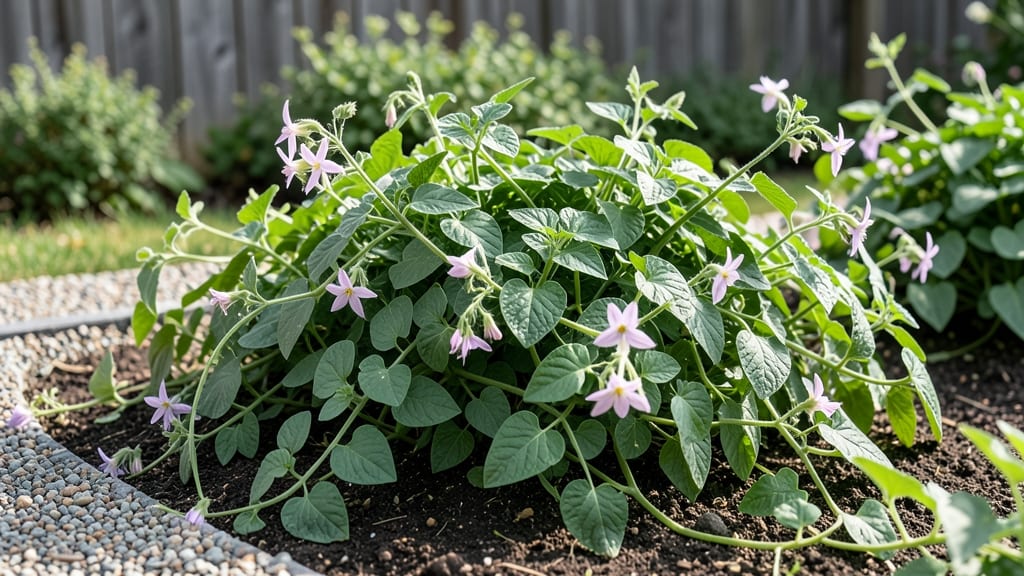
Potato vine plant ground cover grows so aggressively it smothers weeds in weeks—ideal for shaded spots where other plants struggle. 🌿 The deep purple foliage cascades like a living waterfall, perfect for slopes, borders, or even containers.
I planted mine last spring along a shady walkway, and by summer, it completely transformed the area into a lush, low-maintenance carpet. This vine thrives in partial shade and handles drought once established, making it a foolproof choice for busy gardeners.
It spreads quickly but stays contained if pruned back annually, though it can get invasive if left unchecked. The vibrant color contrasts beautifully with hostas, ferns, or silver foliage plants, creating a striking visual effect. You’ll love how it suppresses weeds naturally while adding texture and movement to your garden.
Just be cautious if you have pets—potato vine is toxic if ingested. The best part? It requires almost no upkeep once planted, letting you enjoy its beauty without constant maintenance. Works well in zones 3-11, making it adaptable for most climates.
Pair it with shade-loving perennials for a cohesive, low-stress garden design that keeps looking fresh all season.
📚 In This Guide
- What you need
- Instructions
- Tips and common mistakes
- Wrapping up and next steps
What you need
- ● Potato vine plants: 6–12 healthy plants (for a 10’ x 10’ area) or Seedlings (if starting from seed, allow 4–6 weeks for germination)
- ● Well-draining soil: Amend with compost (1–2 inches mixed into topsoil) for nutrient-rich growth
- ● Mulch: 2–3 inches of organic mulch (e.g., shredded bark or straw) to retain moisture and suppress weeds
- ● Watering can or hose with a gentle spray nozzle
- ○ Gloves (optional but recommended for handling prickly stems)
- ● Garden trowel or spade (for digging holes or transplanting)
- ● Pruning shears (to trim vines and encourage bushier growth)
- ● Fertilizer (balanced 10-10-10 or slow-release granules) (apply lightly 2–3 times per season)
- ● Trellis or fence (if training vines vertically for a dramatic effect)
- ● Soil pH tester (ideal pH: 6.0–7.0; adjust with lime or sulfur if needed)
- ● A sunny to partially shaded spot (potato vine thrives in full sun but tolerates light shade)
- ● Space to spread: 3–6 feet apart (vines can sprawl 10+ feet!)
- ● Protection from strong winds (young plants may need temporary stakes)
How to plant potato vine as a fast-spreading ground cover
Here's how I create lush, shade-tolerant ground cover that spreads rapidly and stays vibrant all season.
🌱 Step 1: Choose the Right Location and Prepare the Soil
Potato vine thrives in partial to full shade, making it perfect for under trees or along north-facing foundations. Test your soil first—it should drain well but retain moisture. I always work in 2-3 inches of compost mixed into the top 6 inches of soil to improve fertility and drainage. This plant loves rich, well-amended ground but won't tolerate waterlogged conditions.
Clear any weeds or grass from the planting area using a sharp spade or hoe. Potato vine spreads aggressively, so you'll want a clean canvas to prevent competition. If your soil is heavy clay, add sand or perlite to improve aeration—this helps roots establish faster and prevents rot in winter.
🪴 Step 2: Plant Cuttings at the Correct Spacing
Start with 4-inch cuttings from healthy potato vine stems, taken just below a leaf node. Remove lower leaves to expose the stem and dip the cut end in rooting hormone to encourage faster growth. Plant cuttings 6-12 inches apart—closer spacing for faster coverage, wider spacing if you want a more controlled spread.
Dig holes just deep enough to bury half the cutting while keeping the top leaves above soil level. Gently firm the soil around each cutting but don't pack it down tightly. Water deeply right after planting to settle the soil and encourage root contact. You'll see new growth within 7-10 days if conditions are right.
☀️ Step 3: Provide Consistent Moisture and Light
Keep the soil evenly moist but not soggy during the first 4-6 weeks after planting. Potato vine is drought-tolerant once established, but young cuttings need reliable moisture to root. I water 2-3 times weekly in summer, checking that the top 2 inches of soil stay slightly damp—never wet or dry.
While potato vine tolerates shade, it grows best with 4-6 hours of filtered light daily. If your planting area is completely dark, expect slower growth and less vibrant foliage. You'll notice the fastest spread in morning sun or dappled shade—this balance keeps the plant vigorous without scorching the leaves.
✂️ Step 4: Prune for Controlled Growth and Full Coverage
Prune back leggy stems in early summer to encourage bushier growth and denser coverage. Cut stems back by one-third when they reach 12-18 inches tall. This triggers branching and fills in gaps faster. I also trim back any stems that spread into unwanted areas—potato vine can become invasive if left unchecked.
In late fall, cut back all stems to 2-3 inches above the ground. This prevents winter dieback and encourages fresh, vigorous growth in spring. Mulch heavily with 2-3 inches of shredded leaves or straw to protect roots from freezing temperatures. With proper pruning, you'll achieve full coverage in one growing season.
🌿 Step 5: Maintain and Enjoy Your Fast-Spreading Ground Cover
Once established, potato vine requires minimal care—just occasional watering during dry spells and light pruning to control spread. Fertilize lightly in spring with a balanced 10-10-10 formula to encourage lush growth. Avoid heavy nitrogen, which promotes leafy growth at the expense of root development and spread.
Watch for pests like spider mites or aphids, which may appear on stressed plants. A strong spray of water usually removes them, but severe infestations may require neem oil or insecticidal soap. With proper care, your potato vine ground cover will stay vibrant, spread rapidly, and provide year-round interest with its striking foliage.
Tips & tricks for perfect potato vine ground cover
These pro strategies will help your potato vine spread faster and stay lush all season long.
Soil Prep Secret: Before mixing in that 2-3 inches of compost (as mentioned in Step 1), I like to add a handful of worm castings to the bottom of each planting hole. This gives roots an instant nutrient boost right where they need it most. The castings also improve soil structure, helping roots establish even faster in those critical first 4-6 weeks of growth. Think of it as a turbocharge for your plant's foundation.
Cutting Selection Tip: When choosing your 4-inch cuttings in Step 2, look for stems with at least 3-4 leaf nodes—these are the growth points where roots will form. Avoid cuttings with yellowing leaves or soft spots, as these indicate stress or disease. I also like to take cuttings from the middle section of the vine rather than the tips, as these tend to root more reliably. This small adjustment can make the difference between patchy coverage and a lush, uniform spread.
Watering Hack: For that 2-3 times weekly summer watering (Step 3), I've found that using a soaker hose set to low flow for 20-30 minutes delivers moisture more evenly than hand watering. The gentle, consistent flow keeps the top 2 inches of soil perfectly damp without creating surface crusting that can prevent root growth. Plus, it saves time—especially when you're covering larger areas. This method mimics natural rainfall and helps prevent the soil from becoming too wet or too dry.
Pruning Pro Tip: When you're pruning back those leggy stems in Step 4, I recommend using clean, sharp pruners and making cuts at a 45-degree angle just above a leaf node. This angled cut helps water run off rather than pool on the stem, reducing the risk of disease. Also, don't be afraid to get aggressive with your pruning—cutting stems back by one-third when they reach 12-18 inches might seem drastic, but it's what triggers that bushier, denser growth we're after. The plant will reward you with faster coverage and more vibrant foliage.
Pro Tips for Potato Vine Plant Ground Cover
- These pro strategies will help your potato vine spread faster and stay lush all season long.
- Soil Prep Secret: Before mixing in that 2-3 inches of compost (as mentioned in Step 1), I like to add a handful of worm castings to the bottom of each planting hole.
- Cutting Selection Tip: When choosing your 4-inch cuttings in Step 2, look for stems with at least 3-4 leaf nodes—these are the growth points where roots will form.
Frequently asked questions
Got questions about using potato vine (Solanum jasminoides) as a ground cover? You’re not alone! Here are answers to the most common queries to help you grow this vibrant, fast-spreading plant with confidence.
Is potato vine invasive?
Potato vine is not considered invasive in most regions, but it can spread aggressively in ideal conditions (warm climates, moist soil). To control it, trim back vines regularly or plant in containers if needed. Always check local regulations before planting!
How fast does potato vine grow?
This ground cover is a speed demon! With proper care, potato vine can spread 3–5 feet per year, quickly filling large areas. In just one growing season, it can create a lush, dense mat—perfect for suppressing weeds and adding color.
Does potato vine tolerate full shade?
While it thrives in partial shade, potato vine struggles in deep, dark shade. For best results, plant it in areas with 3–6 hours of sunlight. If shade is unavoidable, choose a sunnier spot or pair it with shade-tolerant companions like pachysandra.
Are there pests or diseases I should watch for?
Potato vine is generally pest-resistant, but watch for aphids or whiteflies in hot, humid climates. Overwatering can lead to root rot, so ensure well-draining soil. If leaves yellow, check for powdery mildew—prune affected areas and improve airflow.
What’s a good alternative if potato vine isn’t for me?
If you want a fast-growing, shade-tolerant ground cover with less vigor, try:
- Creeping Jenny (Lysimachia nummularia) – Golden foliage, spreads quickly.
- Sweet Woodruff (Galium odoratum) – Fragrant, low-maintenance, and shade-loving.
- Liriope (Liriope muscari) – Grass-like, drought-tolerant, and hardy.
Wrapping up and next steps
Potato vine ground cover is your secret weapon for transforming shady, bare patches into lush, vibrant landscapes—fast! 🌿 With its rapid spread, shade tolerance, and stunning foliage, it’s the perfect low-maintenance solution for gardeners who crave beauty without the hassle. Whether you’re a beginner or a seasoned pro, this plant delivers results with minimal effort.
Ready to elevate your garden? Start small—plant a section today and watch it thrive! Grab your supplies, follow the steps, and enjoy the satisfaction of a stunning, self-sustaining ground cover that works as hard as you do. Happy planting! 🌱