
Planting
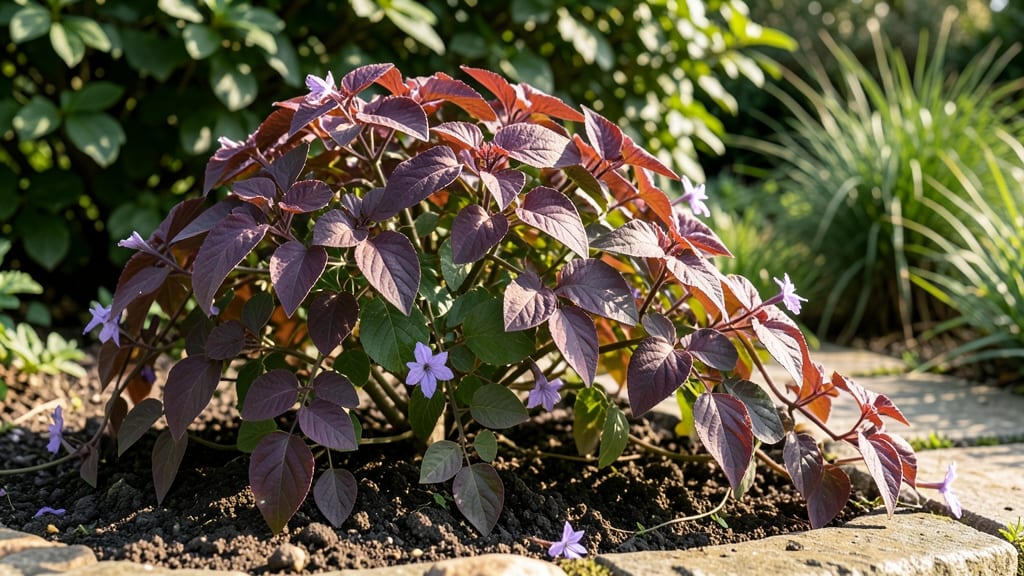
The purple potato vine plant transforms any space with its shockingly lush cascades of violet blooms that last from summer through fall. 🌿 I’ve used it to dress up balconies, frame garden arches, and spill over container edges—it’s the secret weapon for instant color without the fuss.
The key? Plant it where it can trail freely, whether in a hanging basket or climbing a trellis, and watch it thrive with minimal care.
This plant is a drought-tolerant superstar that loves heat and full sun, making it perfect for hot, dry climates or neglected corners of the garden. Pair it with silver foliage plants like lamb’s ear or dusty miller to make those purple blooms pop even more.
For containers, mix it with trailing sweet potato vine or caladiums for a layered, tropical look that never goes out of style.
By midsummer, you’ll have vibrant purple clouds of flowers that attract butterflies and hummingbirds while keeping your space fresh and lively. The best part? It’s nearly indestructible—just trim back leggy growth in early spring, and it’ll bounce back stronger than ever.
No deadheading required, and it handles pruning like a champ.
Works equally well in small pots, large planters, or as a border plant—just give it space to sprawl. For extra drama, plant it near white or yellow flowers to make the purple stand out even more.
Once established, it’s the kind of plant that makes neighbors ask, “What’s that gorgeous vine?”—and you get to say, “That? That’s my easy, foolproof secret.”
📚 In This Guide
- What you need
- Instructions
- Tips and common mistakes
- Wrapping up and next steps
What you need
- ● Potato vine plants (Solanum jasminoides) – Choose purple or purple-veined varieties (1-3 plants per container or 3-5 plants per linear foot for borders).
- ● Well-draining potting mix – Look for a blend labeled for containers or hanging baskets (1-2 bags, ~1-2 cubic feet per container).
- ● Containers or hanging baskets – Minimum 12-inch diameter for single plants; larger for multiple plants. Ensure they have drainage holes!
- ○ Slow-release fertilizer (optional but recommended) – 14-14-14 or 10-10-10 NPK ratio (1 tbsp per plant at planting time).
- ● Gloves – To protect your hands from thorns.
- ● Trowel or small shovel – For planting and mixing soil.
- ● Watering can or hose with gentle spray – Avoid over-saturating the roots.
- ○ Mulch (optional) – Shredded bark or pebbles to retain moisture.
- ○ Support stakes or trellis (optional) – For training vines in borders or large containers.
- ○ Plant ties (optional) – Soft twine to secure vines to supports.
- ● Sunlight – Full sun (6+ hours daily) for best flowering and growth.
- ● Moderate watering – Keep soil evenly moist but not soggy.
- ● Warmth – Potato vine thrives in USDA zones 9-11; protect from frost.
- ● Patience – Vines grow aggressively—prune regularly to control spread!.
How to grow purple potato vine for stunning hanging displays
This fast-growing vine thrives in containers and borders—here’s how to coax those dramatic purple cascades.
🌱 Step 1: Choose the Right Location for Maximum Growth
Purple potato vine craves full sun—at least 6-8 hours daily—to develop its richest color and most vigorous vines. A south- or west-facing spot delivers the best results. If you're growing in containers, place them where they’ll receive unfiltered light for most of the day.
I always check the spot for at least 4 hours of direct afternoon sun—that’s when the purple hues really pop. If your space only gets morning sun, supplement with a grow light for 2-3 hours in the evening to keep the foliage vibrant. You’ll notice the leaves deepen in color within a few weeks of proper light exposure.
🪴 Step 2: Plant in Well-Draining Soil and Containers
Use a lightweight potting mix (never garden soil) to prevent root rot—this vine’s roots need air. I blend 50% potting mix with 50% perlite or coconut coir for extra drainage. Fill your container to 1 inch below the rim, leaving room for watering.
For hanging baskets, plant 2-3 stems per 12-inch container—they’ll tangle and cascade beautifully. Press the soil gently around the roots to eliminate air pockets, then water thoroughly until it drains from the bottom. The soil should feel evenly moist but not soggy—you’ll know it’s right when water runs out the drainage holes within a minute.
☀️ Step 3: Water Consistently Without Overdoing It
Purple potato vine loves moisture but hates soggy roots. Water when the top inch of soil feels dry—stick your finger in to check. During hot weather, you might water every 2-3 days, but reduce to every 5-7 days in cooler months. Always water at the base of the plant to avoid wetting the leaves, which can cause fungal issues.
Here’s the thing—this vine wilts easily if thirsty, but it also struggles in constantly wet soil. I like to water deeply until it runs out the bottom, then let it drain completely before adding more. You’ll see the leaves perk up within hours of proper hydration, and the vines will grow 1-2 feet per week in ideal conditions.
✂️ Step 4: Prune and Train for Full, Bushy Growth
Pinch back the tips of new growth when they reach 6-8 inches to encourage bushier, fuller vines. This prevents leggy growth and keeps the plant compact enough for containers. I do this every 2-3 weeks during the growing season—just snip above a leaf node with clean pruners.
For hanging displays, gently weave the vines through the basket’s slats or attach them to a trellis as they grow. If you notice bare stems at the bottom, trim those off to redirect energy to the top. The goal is a uniform, cascading curtain—not a few long strands. You’ll see dramatic improvement in density after just one pruning session.
🌿 Step 5: Feed and Maintain for Year-Round Color
Feed with a balanced liquid fertilizer (10-10-10) every 4-6 weeks during the growing season to keep the purple hues intense. I dilute it to half-strength to avoid burning the roots. In winter, cut back on fertilizing—this vine goes semi-dormant in cooler months but stays evergreen in mild climates.
Watch for yellowing leaves—this usually means it’s time to feed again. If the purple starts fading, it’s either not enough light or too much nitrogen. Switch to a low-nitrogen fertilizer (like 5-10-10) to restore the deep color. With proper care, your purple potato vine will reward you with year-round drama in containers or borders.
Tips & tricks for growing stunning purple potato vine
Confession: I spent years struggling with limp, pale potato vines—until I learned these key tricks for vibrant purple cascades. The difference between good and showstopping growth comes down to these details.
Light Exposure Secret: Those 6-8 hours of full sun in Step 1 are non-negotiable for the richest purple color. I've found that positioning containers on a balcony facing west captures the perfect afternoon light—this is when the purple pigments really intensify. If you're using grow lights, place them 6-12 inches above the plant for those 2-3 hours of evening supplementation. The leaves will visibly deepen within just 2-3 weeks of proper light exposure.
Soil Mix Matters: The 50/50 blend of potting mix and perlite/coco coir from Step 2 is crucial—this vine's roots need both moisture retention and airflow. I've seen roots rot when people use regular garden soil, and the plants wilt within days. Pro tip: Add a handful of orchid bark to your mix for extra aeration if you notice the soil compacting over time. This keeps the roots happy and the vines growing at that 1-2 feet per week rate.
Watering Wisdom: The top inch dry test from Step 3 works, but here's what nobody tells you—morning watering prevents fungal issues better than evening watering. I water mine between 8-10am so the foliage dries completely before nightfall. For hanging baskets, I always check the drainage holes—if water pools there after 10 minutes, that's your sign to repot into a container with better drainage. The goal is that evenly moist but not soggy texture mentioned in the instructions.
Pruning Payoff: When you pinch those 6-8 inch tips in Step 4, you're not just controlling size—you're encouraging the plant to produce secondary stems that create that lush, full look. I've found that using sterilized scissors (dipped in rubbing alcohol) prevents infections that can stunt growth. For maximum bushiness, do your first pinch when you see 3-4 true leaves forming, not just the initial growth spurt.
Pro Tips for Potato Vine Plant Purple
- Confession: I spent years struggling with limp, pale potato vines—until I learned these key tricks for vibrant purple cascades.
- Light Exposure Secret: Those 6-8 hours of full sun in Step 1 are non-negotiable for the richest purple color.
- Soil Mix Matters: The 50/50 blend of potting mix and perlite/coco coir from Step 2 is crucial—this vine's roots need both moisture retention and airflow.
Frequently asked questions
Got questions about growing Solanum jasminoides (potato vine) with its stunning purple blooms? Here are some of the most common ones—and their easy answers!
How fast does potato vine grow, and when will I see flowers?
Potato vine is a fast grower! With the right conditions (full sun to partial shade and well-draining soil), it can reach 6–10 feet in a single season. Flowers typically appear 6–8 weeks after planting, especially if you prune it lightly to encourage bushiness. Patience pays off—those vibrant purple blooms are worth the wait!
Is potato vine frost-tolerant, or do I need to bring it indoors?
This tropical beauty is not frost-hardy. If you’re in a cold climate (USDA zones 9–11), treat it as an annual or overwinter it indoors in a pot. Before the first frost, trim it back, repot, and place it near a sunny window or under grow lights. Pro tip: Reduce watering in winter to prevent root rot!
Why aren’t my potato vine flowers lasting long, and how can I extend their life?
Purple potato vine blooms are ephemeral—they often last just 1–2 days! To prolong their appearance, deadhead spent flowers daily (yes, really!) and keep the plant well-watered but not soggy. Bonus: Bees and butterflies love them, so let them pollinate naturally for a continuous (if brief) display.
Can I grow potato vine in containers, and what’s the best pot size?
Potato vine thrives in containers—just choose a pot at least 12–18 inches deep with drainage holes. For a trailing cascade, opt for a hanging basket or tall planter. Key tip: Use a lightweight potting mix and fertilize every 2–3 weeks during growing season to fuel that lush growth.
Is potato vine toxic to pets if ingested?
Yes, potato vine (Solanum jasminoides) is toxic to cats and dogs if chewed or ingested in large quantities. It contains solanine, which can cause drooling, vomiting, or lethargy. If your pet nibbles it, contact your vet immediately. Safe alternative: Try non-toxic vines like morning glories or string of pearls for pet-friendly color.
Pro Tip: Boost blooms with a trick!
Pinch back the tips of new growth when the plant is 6–12 inches tall. This encourages more branches and flowers instead of long, leggy vines. Think of it as a “bloom hack”!
Wrapping up and next steps
Transforming your space with purple potato vine is easier—and more rewarding—than you think! 🌿 Whether you’re adding a splash of color to containers, climbing trellises, or framing borders, this fast-growing beauty delivers drama with minimal effort.
Start small, experiment with placement, and soon you’ll have a lush, cascading masterpiece that brightens every season.
Ready to dive in? Pick a spot, grab your plants, and let nature do the rest! 🌸 Next, check out our care guide for tips on keeping your potato vine thriving year after year.