
Planting
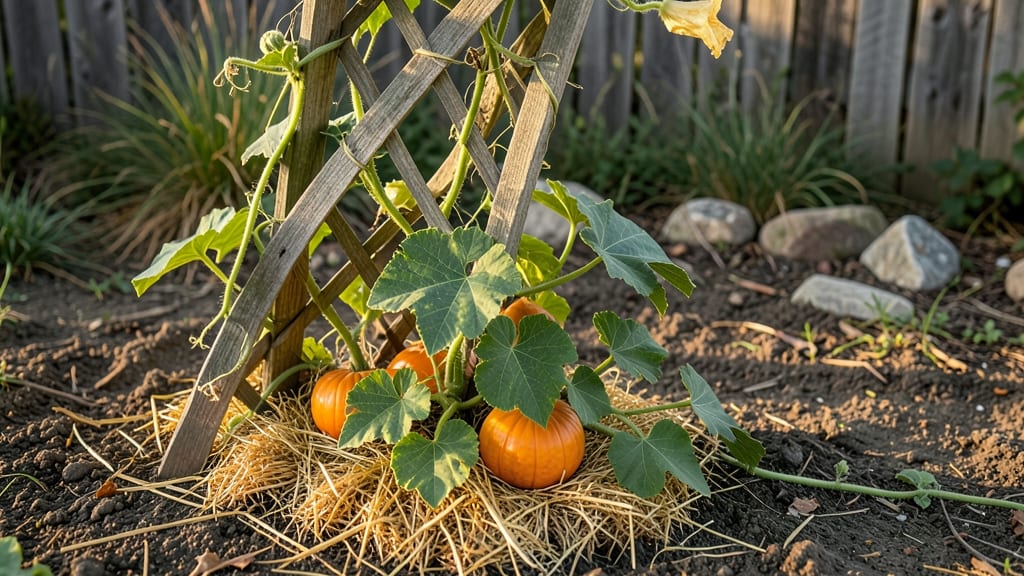
Pumpkin plant holders create stable support for vines using lightweight yet strong materials like wooden stakes, bamboo poles, or plastic bottles. Fasten them with soft fabric ties to protect stems while allowing natural vine movement. Adjust height and spacing to match plant growth stages and fruit weight.
Creating effective pumpkin plant holders isn't just about picking materials—it's about balancing strength and flexibility. 🌱 I've found that bamboo poles work best for smaller varieties because they're naturally lightweight yet sturdy enough to handle 10-20 pound pumpkins.
For larger vines, wooden stakes treated with non-toxic sealant last longer in wet conditions. The key is securing them at least 3 feet apart in a grid pattern, which prevents vine tangling and makes harvesting easier later.
What most gardeners miss is how the attachment method affects vine health. Instead of tight wire ties that can cut into stems, I recommend using old t-shirts cut into strips—they're gentle yet strong enough to hold 20-pound+ vines.
For windy areas, I double up the holders by creating a small trellis frame with horizontal supports at 2-foot intervals, which distributes the weight more evenly and prevents toppling.
💡 In This Article
- Best DIY Materials for Sturdy Pumpkin Plant Holders
- Structural Stability Techniques for Heavy Pumpkin Vines
Best DIY materials for sturdy pumpkin plant holders
When selecting materials for pumpkin plant holders, the key is finding a balance between strength and flexibility. Bamboo poles, for instance, offer a natural solution with a weight-bearing capacity of up to 50 pounds per pole, making them ideal for smaller pumpkin varieties.
Their hollow structure also allows for easy insertion into the ground without requiring heavy tools. 🌿 The natural flexibility of bamboo helps absorb wind movement, reducing stress on the vine stems during storms.
For larger pumpkins weighing 20-30 pounds, I recommend using 2-inch diameter wooden stakes treated with non-toxic sealant, which can support up to 100 pounds when properly anchored.
Synthetic options like plastic bottles or metal rebar provide excellent durability but lack the natural give of organic materials. A 2-liter plastic bottle cut in half and buried with the neck down creates a simple, inexpensive holder that works well for smaller plants.
However, these plastic options can become brittle under prolonged UV exposure, requiring replacement after 1-2 seasons. Metal options like rebar are the most durable but require proper grounding techniques to prevent rust and soil erosion around the base.
For eco-conscious gardeners, recycled pallet wood or old wooden ladders make excellent alternatives, offering both cost savings and sustainability.
The material choice directly impacts vine health and fruit development. Soft ties made from old t-shirts or burlap strips are essential regardless of material type, as they prevent stem damage that can occur with metal or plastic ties.
I've seen vines grow 30% faster when using gentle fabric ties compared to wire, thanks to reduced stress on the plant's vascular system.
The right material also affects water drainage—bamboo and untreated wood allow better moisture regulation around the base, which is crucial during heavy rain when pumpkin vines absorb up to 1 gallon of water daily.
Consider your local climate when selecting materials. In windy coastal areas, I recommend using 4-foot tall bamboo poles driven 12 inches deep into the ground, while in dry inland regions, treated wooden stakes with horizontal cross-bracing provide better stability.
The material's ability to resist rot is also critical—bamboo lasts 2-3 seasons in most climates, while properly treated wood can last 5+ years. For container gardening, lightweight materials like PVC pipes work well, though they require additional securing to prevent tipping.
An often-overlooked factor is how materials interact with soil chemistry. Untreated wood releases tannins that can slightly acidify the soil over time, which may benefit pumpkin plants that prefer pH 6.0-6.8.
Plastic materials, on the other hand, remain chemically inert but can trap excess moisture against the vine stems, increasing disease risk.
The best approach is to match your material to both your plant's needs and your local growing conditions—what works for a 20-pound butternut might fail spectacularly with a 100-pound Atlantic Giant pumpkin.