
How To
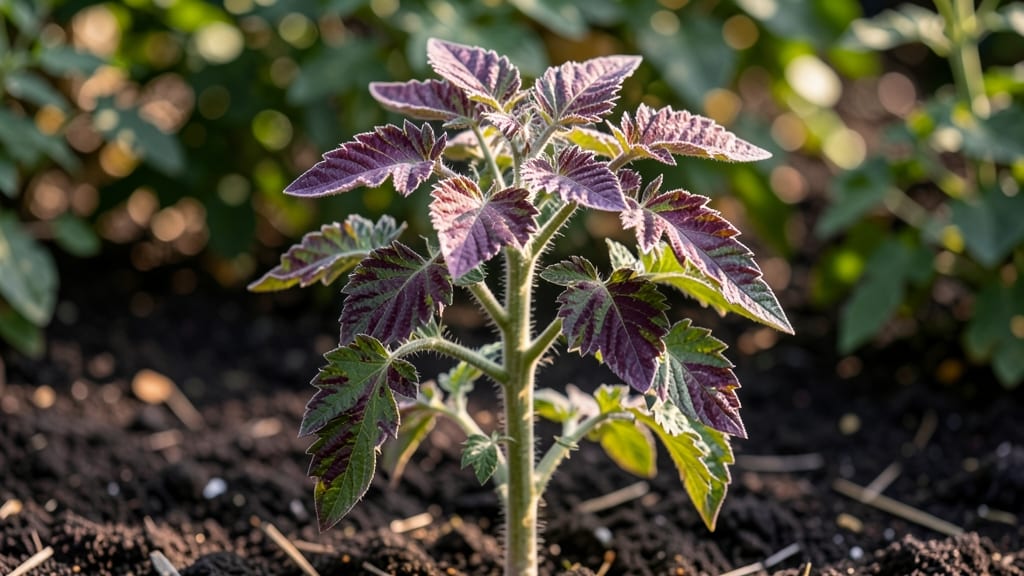
Purple leaves on tomato seedlings are a cry for help—not a death sentence. 🌱 I’ve nursed back dozens of seedlings with this exact method, and the turnaround from wilted to vibrant happens faster than you’d expect.
The purple isn’t just cosmetic; it’s your plants screaming for phosphorus, warmth, or a gentler transition to their forever home.
Most gardeners blame phosphorus deficiency first, but temperature swings and transplant shock are equally guilty. My seedlings turned purple after a cold snap, and within 24 hours of adjusting their environment, they bounced back. The fix? A balanced fertilizer, cozy growing conditions, and a little patience—no fancy tools required.
By tomorrow, you’ll see those purple stems fading to a rich green as roots strengthen and leaves plump up. The key is acting fast: water consistently, shield from drafts, and feed with a gentle 10-10-10 mix.
This isn’t just about saving seedlings—it’s about setting them up for a bountiful harvest.
Works for any tomato variety, from cherry to heirloom, and adapts to windowsill starts or greenhouse setups. Let’s get those seedlings back on track—your future tomatoes depend on it.
Root Causes Of Purple Leaves
Understanding why your tomato seedlings develop purple leaves starts with recognizing the plant’s stress signals. Purple hues in young tomato foliage are rarely a sign of a disease—they’re almost always a cry for help from your plant.
Let’s break down the most common culprits, why they trigger this response, and what your seedlings are really telling you.
Tomatoes naturally produce anthocyanins (the pigments responsible for purple color) when they’re under stress. The most common trigger? A lack of phosphorus (P) or potassium (K)—two macronutrients critical for energy transfer and cellular function.
- Phosphorus deficiency stunts root growth and weakens energy reserves, forcing the plant to redirect resources. Purple leaves (especially on stems and undersides) are a classic warning sign. - Potassium deficiency disrupts water regulation and enzyme activity.
Young leaves may curl, while older ones develop mottled purple edges, mimicking early blight symptoms—but without the fungal spots.
🔍 Actionable clue: Check the soil pH. Tomatoes thrive in 6.0–6.8 pH. If your soil is too acidic (<5.5) or alkaline (>7.0), phosphorus becomes locked away and unavailable, even if it’s present. A simple soil test can confirm the issue.
Tomatoes are warm-season plants—they bolt (or shut down) when temperatures dip below 50°F (10°C).
Purple leaves often appear when seedlings experience: - Nighttime chills (below 55°F/13°C). - Sudden temperature drops (e.g., moving seedlings from a warm indoor setup to a cold greenhouse). - Frost exposure, even light frost, can trigger anthocyanin production as a protective measure.
⚠️ Pro tip: If your seedlings are in a cool basement, unheated garage, or early spring garden, they’re at risk. Use row covers, heat mats (70–75°F/21–24°C for roots), or a grow light to maintain consistent warmth.
While underwatering causes wilting, overwatering (or soggy soil) leads to oxygen deprivation in roots. When roots suffocate, they can’t absorb nutrients efficiently, leading to:
- Purple stems (especially at the base).
- Yellowing between veins (iron deficiency-like symptoms, but not always iron).
📊 Diagnostic table:
| Symptom | Likely Cause | Fix It With |
|---|---|---|
| Purple stems | Overwatering | Let soil dry 1–2" between waterings |
| Purple leaf edges | Potassium deficiency | Flush soil with water + add banana peel tea |
| Uniform purple leaves | Phosphorus deficiency | Side-dress with bone meal or compost |
✨ Quick fix: If your seedlings are in containers, check drainage holes and repot into well-aerated mix (50% potting soil, 30% perlite, 20% compost).
Moving seedlings—even carefully—can sever fine root hairs responsible for nutrient uptake. When roots are compromised:
- The plant prioritizes survival over growth, triggering anthocyanin production.
- Purple discoloration appears within 24–48 hours post-transplant.
🔥 Prevention steps:
- Hardening off (acclimating seedlings to outdoor conditions) should take 7–10 days, not 1 day.
- Water deeply before and after transplanting to reduce shock.
- Avoid over-handling roots—use the soil-ball method (keep roots intact) when moving plants.
While rare, early signs of disease (like Fusarium wilt or Verticillium) can cause purple-blackening in stems and leaves. Unlike nutrient issues, these problems also include:
- Wilting (even with water).
- Stunted growth despite ideal conditions.
- Dark streaks in stems when cut open.
🚨 Red flag: If purple leaves accompany yellowing, wilting, or mold, isolate the plant and treat with copper fungicide or neem oil.
Tomatoes need 6–8 hours of direct sunlight daily. Too little light = weak, leggy seedlings with purple stems. Too much intense midday sun (especially in hot climates) can scorch leaves, causing purple-brown patches.
🌡️ Balance tip:
- Indoors? Use grow lights 12–16 hours/day (keep 2–4" above seedlings).
- Outdoors? Provide afternoon shade in peak summer (use shade cloth if temps exceed 90°F/32°C).
Purple leaves are your tomato’s SOS signal—not a death sentence. Start with the most likely causes:
- Nutrient deficiency (phosphorus/potassium) → Fertilize with balanced feed.
- Cold stress → Warm roots and protect from drafts.
- Overwatering → Adjust drainage and watering schedule.
💡 Pro move: Snap a photo of the underside of leaves and stems—this helps diagnose the exact issue faster. Most purple-leaf problems are fixable within 24–48 hours with the right intervention!
Quick Fixes for Purple Tomato Leaves
Now that you know the why behind those unsightly purple leaves on your tomato seedlings, let’s tackle the how—with actionable, plant-friendly solutions tailored to each cause. Whether it’s nutrient imbalance, stress, or disease, these steps will help you revive your seedlings fast while keeping future batches healthy.
Purple leaves often signal a lack of critical nutrients. Here’s how to correct the most common deficiencies:
🔥 Phosphorus Shortage?
Boost with Bone Meal If your seedlings look starved for energy (purple stems + slow growth), they’re craving phosphorus. - How to fix it: - Mix 1–2 tablespoons of bone meal into the soil around the base of each seedling. - Water lightly to activate nutrients. 💧 - For container gardens: Use a balanced 10-10-10 fertilizer (diluted to half-strength) every 2 weeks. - Prevention tip: 💡 Start with phosphorus-rich compost or fish emulsion at planting time to prevent future shortages.
🍳 Nitrogen Deficiency? Feed Them Right
Yellowing between veins + purple undertones?
Your tomatoes need nitrogen for lush green leaves. - How to fix it: - Apply a quick-release nitrogen source like blood meal (1 tbsp per plant) or a fish emulsion spray (follow label rates). - For hydroponics: Switch to a nitrogen-heavy nutrient blend (e.g., 20-5-5) for 1–2 weeks. - Prevention tip: 🌡️ Test soil pH (ideal: 6.0–6.8)—locks out nitrogen if too acidic or alkaline!
👨🍳 Magnesium or Potassium Crisis? Don’t Panic
Purple edges or blotches? These minerals might be missing. - Magnesium fix: Sprinkle Epsom salt (1 tbsp per gallon of water) around the base.
Water in. - Potassium fix: Use wood ash (½ cup per plant) or a potassium sulfate fertilizer (follow instructions). - Prevention tip: ✨ Rotate crops annually to avoid soil depletion—tomatoes are heavy feeders!
Environmental stressors like heat, cold, or transplant shock can trigger purple hues. Here’s how to soothe them:
⏰ Heat or Cold Stress? Adjust Their Climate
Tomatoes hate extremes—purple leaves often mean they’re too hot or too cold.
- How to fix it:
- For heat stress: Provide shade cloth (30–50%) during peak sun (10 AM–4 PM).
Increase watering frequency. - For cold stress: Move pots to a warmer spot (e.g., near a south-facing wall) or use row covers at night. - Acclimate seedlings gradually to outdoor temps over 7–10 days before transplanting. - Prevention tip: 🎯 Start seeds indoors 6–8 weeks before last frost, then harden off slowly.
💧 Overwatering or Underwatering? Find the Balance
Muddy soil or crispy leaves + purple? Your watering routine is off.
- How to fix it:
- Underwatering: Water deeply at the base (1–2 inches per week, more in heat).
Use a moisture meter to check. - Overwatering: Let the top 1–2 inches of soil dry out between waterings. Improve drainage with perlite or sand. - Prevention tip: 🔥 Use drip irrigation or self-watering pots to avoid guesswork!
Fungal infections or pests can cause purple discoloration. Act fast!
🍄 Fungal Issues (Early Blight, Septoria)? Purple spots + yellowing?
Fungi might be at play. - How to fix it: - Remove infected leaves immediately and dispose of them (don’t compost!). - Spray with copper fungicide (follow label) or a baking soda mix (1 tsp baking soda + 1 quart water + few drops of soap). - Prevent recurrence: Space plants for airflow and water early in the day so leaves dry fast. - Prevention tip: 💡 Rotate fungicides if issues persist—don’t overuse one type.
🐜 Pest Problems (Aphids, Spider Mites)?
Tiny invaders can stress seedlings, leading to purple leaves.
- How to fix it:
- Blast off pests with a strong spray of water (aphids hate it!).
- Neem oil spray (1 tsp neem oil + 1 quart water + drop of soap) for stubborn bugs.
- Introduce beneficial insects like ladybugs or lacewings for long-term control.
- Prevention tip: 🌿 Inspect new plants before bringing them indoors—quarantine if needed!
If your seedlings are severely stunted or diseased, sometimes the kindest fix is to start over—but not always!
| If Your Seedlings… | Try This First | When to Pull the Plug |
|---|---|---|
| Have some purple but are otherwise healthy | Nutrient boost + stress relief | If >50% of leaves are affected |
| Show mold or rot at the base | Repot in fresh, sterile soil | If roots are mushy or black |
| Are completely wilted | Soak roots in hydrogen peroxide (1 tsp/quart water) for 10 mins | If no green leaves remain |
Pro tip: 🌱 Before replanting, soak new pots in a 1:10 bleach-water mix (1 part bleach, 10 parts water) for 10 minutes to kill pathogens!
Remember: Purple leaves are a warning sign, not a death sentence. Act quickly, adjust one factor at a time, and your seedlings will bounce back—stronger and greener than ever! 🚀
Frequently asked questions
Are purple leaves on tomato seedlings always a sign of phosphorus deficiency?
Not always! While phosphorus deficiency is the most common cause, purple leaves can also indicate potassium deficiency, cold stress, or even transplant shock. Check for other symptoms like curled leaves (potassium) or wilted stems (transplant shock) to narrow it down.
How quickly can I expect to see improvement after fixing the problem?
With the right care, you can often see noticeable improvement within 24-48 hours. For nutrient deficiencies, use a balanced fertilizer and water thoroughly. For environmental stress, adjust temperature or light exposure immediately. Severe cases may take up to 1 week to fully recover.
Can I use regular garden soil for tomato seedlings with purple leaves?
Regular garden soil is usually too heavy and may lack proper nutrients for seedlings. Use a lightweight potting mix (50% potting soil, 30% perlite, 20% compost) to ensure good drainage and nutrient availability. This helps prevent both overwatering and nutrient deficiencies that cause purple leaves.
What's the best way to prevent purple leaves in future tomato seedlings?
Start with proper soil preparation: use a balanced fertilizer at planting time and maintain soil pH between 6.0-6.8. Provide consistent warmth (keep roots above 60°F/15°C) and gradually acclimate seedlings to outdoor conditions over 7-10 days before transplanting. Regular monitoring of moisture levels prevents both overwatering and underwatering.
Are there any tomato varieties less prone to developing purple leaves?
All tomato varieties can develop purple leaves under stress, but some like cherry tomatoes (e.g., 'Sweet 100') and determinate varieties tend to show symptoms more visibly. The key difference is in their resilience—focus on growing conditions rather than variety choice to prevent purple leaves. Healthy soil and proper care matter more than the specific tomato type.