
Planting
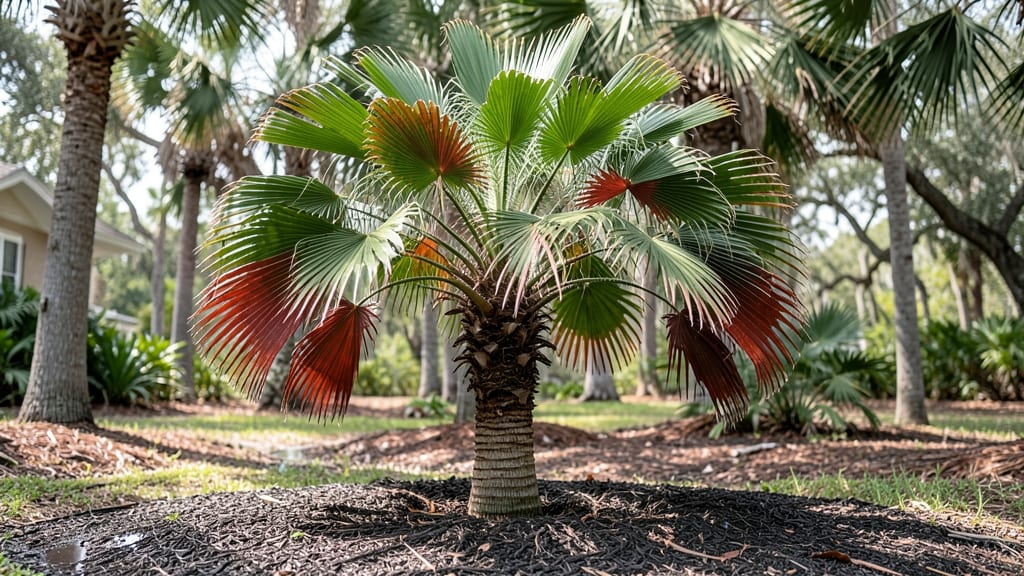
The red leaf palm plant transforms any space with its striking, arching fronds that look like they belong in a jungle—yet thrives with almost no effort. 🌿 I’ve had mine for three years, and it’s never needed more than bright indirect light and occasional watering to stay lush.
The secret? It’s one of the most forgiving palms for beginners, even in low-light apartments or shady patios.
This palm loves bright, filtered light but tolerates medium light surprisingly well—just watch for yellowing fronds, which signal it’s craving more sun. For soil, a well-draining mix (think potting soil + perlite) keeps roots happy, while regular watering (let the top inch dry out) prevents root rot.
Overwatering is the #1 killer, so I use a moisture meter to avoid soggy soil.
Pruning is a breeze: simply snip off brown or yellow fronds at the base, and new growth pops up within weeks. The real magic? Its adaptability—it handles humidity swings, occasional drafts, and even brief outdoor stints (as long as temps stay above 40°F).
By summer, mine’s packed with fresh, vibrant fronds that make every room feel like a tropical retreat.
Whether you’re fixing a struggling palm or starting fresh, this plant rewards patience with year-round drama. The key is consistency—not perfection. Even my black thumb can’t kill one of these.
📚 In This Guide
- What you need
- Instructions
- Tips and common mistakes
- Wrapping up and next steps
What you need
- ● Red Leaf Palm Plant: 1 nursery-grown sapling (3–5 ft tall) or seeds (if starting from scratch). Pro tip: 🌱 Choose a healthy plant with vibrant red fronds and no brown tips!
- ● Well-draining potting mix: 1 bag (5–10 gallons) of cactus/succulent blend or a mix of 60% peat moss, 30% perlite, and 10% sand.
- ○ Container or in-ground space: For pots: 1 large container (18–24" diameter) with drainage holes. Optional: A cache pot (outer decorative pot) for aesthetics!
- ● For in-ground planting: A hole twice as wide as the root ball, with amended soil (see below).
- ○ Slow-release fertilizer: 1 packet of balanced 6-6-6 or 8-3-9 (palm-specific fertilizer preferred). Optional: Liquid fertilizer (20-20-20) for occasional feeding.
- ● Mulch: 1 bag of organic mulch (pine bark or wood chips) to retain moisture.
- ● Gloves: 1 pair of gardening gloves (to protect from thorns).
- ● Trowel or shovel: 1 medium-sized tool for digging.
- ● Watering can or hose: With a gentle spray nozzle (avoid overwatering!).
- ○ Pruners (sterilized): 1 pair for trimming dead fronds. Optional: A palm frond saw for larger cuts.
- ○ pH testing kit (optional): To check soil acidity (ideal: 5.5–6.5).
- ● Sunlight assessment: A spot with bright, indirect light (6+ hours/day). Pro tip: 🌡️ Red Leaf Palms tolerate partial shade but thrive in full sun!
- ● Humidity tray: A shallow tray with pebbles and water to boost humidity in dry climates.
- ○ Plant support (optional): A stake or bamboo pole for young palms to prevent toppling.
- ● Fungicide (preventative): 1 bottle of copper fungicide (for fungal risks in humid areas).
Step-by-step guide to growing a thriving red leaf palm
Here's how to keep your red leaf palm lush and vibrant with simple, consistent care.
🪴 Step 1: Choose the Right Container and Soil
Select a pot with drainage holes that's 2-3 inches wider than the palm's root ball. Red leaf palms prefer slightly snug spaces—too much room encourages root rot. I use a mix of 50% peat moss, 30% perlite, and 20% sand for drainage while retaining moisture. This blend mimics their natural tropical soil conditions.
Fill the pot halfway with your mix, then place the palm in its new home. The top of the root ball should sit 1 inch below the pot's rim—this prevents water from spilling over during watering. Tap the container gently to settle the soil around the roots without compacting it.
💧 Step 2: Water Consistently Without Overdoing It
Water your red leaf palm when the top 2 inches of soil feel dry to touch. Stick your finger in the soil—if it's damp, wait another day. These palms thrive on moisture but hate soggy roots. I water deeply until water runs out the drainage holes, then empty the saucer to prevent root suffocation.
Mist the fronds weekly to replicate humidity, especially in dry climates. You'll notice the leaves perk up and develop that signature deep red hue when humidity is just right. Avoid letting the soil dry out completely—wilting fronds often don't recover fully.
☀️ Step 3: Position for Bright, Indirect Light
Place your red leaf palm near a window with bright, indirect light. East or north-facing windows work best—direct afternoon sun can scorch the delicate fronds. If you notice brown tips or crispy edges, the plant is getting too much sun. Move it back a few feet or add a sheer curtain.
Rotate the pot a quarter turn every 2-3 weeks so all sides get even light exposure. This prevents the palm from growing lopsided. You'll see new fronds emerging evenly around the plant when light is balanced.
✂️ Step 4: Prune and Fertilize for Long-Term Health
Remove any yellow or brown fronds at the base with clean, sharp scissors. Cut just above the point where the frond meets the trunk—this prevents unsightly stubs. I prune in early spring to encourage fresh growth. Never remove more than 20% of the fronds at once, or the plant may struggle to recover.
Fertilize monthly during spring and summer with a balanced liquid fertilizer (10-10-10). Reduce to every 6-8 weeks in fall and winter when growth slows. Always water the plant first—fertilizing dry soil can burn the roots. You'll notice stronger, deeper red coloring when the plant is well-fed.
🌿 Step 5: Monitor for Pests and Adjust Care
Check the undersides of fronds weekly for spider mites or mealybugs—common pests that thrive in dry conditions. Wipe fronds with a damp cloth if you spot webbing or sticky residue. For stubborn infestations, use neem oil spray (mix 1 teaspoon neem oil with 1 quart water) and apply every 5-7 days until pests disappear.
If the tips of the fronds turn brown but the soil is moist, your palm may need more humidity. Group it with other plants or place a humidity tray nearby. Conversely, if the soil feels damp but the fronds droop, reduce watering—root rot is often the culprit. Adjust care based on what you observe, not just the calendar.
Tips & tricks for perfect red leaf palm care
Here's what nobody tells you about keeping your red leaf palm thriving with minimal fuss.
Soil Mix Matters: The 50% peat moss, 30% perlite, and 20% sand blend isn't just arbitrary—it's designed to balance moisture retention and drainage. If you notice water pooling after watering, add more perlite to improve aeration. For a quick fix, mix in a handful of orchid bark chunks to boost airflow without changing the overall composition.
Light Positioning Secret: When placing your palm, remember that "bright, indirect light" means no direct sun exposure. I've seen many people place their palms in south-facing windows only to watch the fronds develop crispy brown edges. Test your spot by holding your hand near the window—if you can feel warmth, it's too intense. East-facing windows are ideal for most homes.
Pruning Precision: That 20% rule about not removing too many fronds at once is critical. Think of your palm's fronds like leaves on a tree—each one contributes to photosynthesis. If you're dealing with multiple yellowed fronds, space out your pruning sessions over several weeks rather than tackling them all at once. Always use clean, sharp scissors to prevent tearing the fronds.
Fertilizer Timing: The monthly spring/summer feeding schedule works because that's when your palm is actively growing. I've found that most people over-fertilize in winter, which can lead to salt buildup in the soil. If you notice white crusty deposits on the soil surface, flush the pot with water to remove excess salts. Always dilute your fertilizer to half-strength in the late summer to prepare for the winter slowdown.
Pro Tips for Red Leaf Palm Plant
- Here's what nobody tells you about keeping your red leaf palm thriving with minimal fuss.
- Soil Mix Matters: The 50% peat moss, 30% perlite, and 20% sand blend isn't just arbitrary—it's designed to balance moisture retention and drainage.
- Light Positioning Secret: When placing your palm, remember that "bright, indirect light" means no direct sun exposure.
Frequently asked questions
How often should I water my Red Leaf Palm?
Water your Red Leaf Palm every 1-2 weeks, letting the top 2-3 inches of soil dry out between waterings. Overwatering is the #1 killer—ensure the pot has drainage holes to prevent root rot. In winter or low-light conditions, reduce watering to every 3-4 weeks. Stick your finger in the soil: if it’s dry, it’s time to hydrate!
Why are the leaves turning yellow or brown?
Yellowing leaves usually mean overwatering, while brown tips signal underwatering or low humidity. Check the soil moisture first. If the air is dry (common indoors), mist the fronds or place a pebble tray nearby. For severe browning, trim the damaged leaves with sterilized scissors to encourage new growth.
Can Red Leaf Palms survive winter indoors?
These palms thrive indoors year-round but prefer bright, indirect light (like near an east or south-facing window). Keep temperatures above 55°F (13°C)—avoid drafts or cold windows. If leaves droop in winter, it’s likely thirsty; water lightly and increase humidity with a humidifier or group plants together.
How fast does a Red Leaf Palm grow, and how big does it get?
Growth is moderate: expect 1-2 feet per year under ideal conditions. Mature palms reach 10-15 feet tall outdoors (with proper spacing) and 6-8 feet indoors if pruned regularly. Prune leggy fronds in spring to encourage bushier growth—just avoid cutting more than 1/3 of the fronds at once.
What’s a good alternative if my Red Leaf Palm isn’t thriving?
If your space lacks light or humidity, try these low-maintenance pals:
- Parlor Palm (Chamaedorea elegans): Thrives in low light and cooler temps.
- Areca Palm (Dypsis lutescens): Hardy and purifies air (but needs more light).
- Bamboo Palm (Chamaedorea seifrizii): Compact and drought-tolerant.
Wrapping up and next steps
The red leaf palm plant is a stunning, low-maintenance addition to any home—bringing vibrant color and tropical charm with minimal effort! Whether you're a seasoned plant parent or just starting your green journey, this resilient beauty thrives in various conditions, making it perfect for beginners and experts alike. 🌿✨
Ready to bring a splash of color into your space? Start by picking your favorite pot, gathering the essentials, and giving your red leaf palm the love it deserves. With just a little care, you’ll enjoy its lush foliage for years to come—what’s not to love?