
Planting
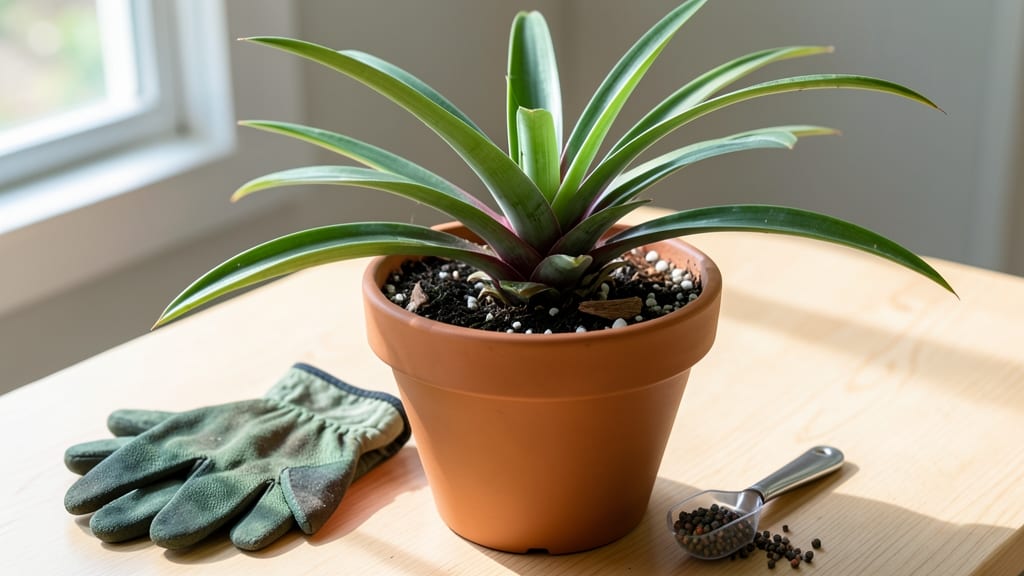
Repotting a pineapple plant isn’t just about bigger pots—it’s about mimicking their natural, airy tropical habitat where roots breathe freely. I’ve learned the hard way that cramped roots mean stunted growth and yellowing leaves, but a proper repot can turn a struggling plant into a lush, fruiting powerhouse within months.
You’ll need a shallow, wide container (at least 2 inches wider than the current pot), well-draining cactus/succulent mix, and sterilized tools—no fancy equipment, just basics. The soil should be 60% mineral grit (like perlite or pumice) to mimic volcanic soil, with only 40% organic matter.
Pineapples hate soggy roots, so drainage holes are non-negotiable. Skip the fancy pots—opt for terracotta or plastic with holes.
Start by gently sliding the plant out, loosening tangled roots with your fingers (no pruning unless they’re mushy). Place it in the new pot with the base exposed—pineapples need airflow at their crown. Fill gaps with fresh mix, water lightly, and wait 3-5 days before watering again.
Within weeks, you’ll see new roots clinging to the pot’s edges and fresh growth pushing upward. The key? Less soil, more air.
Mistakes to avoid: burying the base (rot risk), using regular potting mix (too dense), or repotting too often (stress). Pineapples thrive on neglect—water only when the soil is bone-dry.
With the right setup, your plant could produce a fruit in 18-24 months, but even without fruit, the spiky, architectural leaves are a conversation starter. Let’s get that plant growing again!
📚 In This Guide
- What you need
- Instructions
- Tips and common mistakes
- Wrapping up and next steps
What you need
- ● New pot: Choose a container slightly larger than the current one (1–2 inches wider in diameter) with drainage holes. Terracotta or ceramic pots work best for airflow.
- ● Well-draining potting mix: A blend of 50% peat moss or coconut coir, 30% perlite or pumice, and 20% coarse sand or orchid bark. Avoid garden soil—pineapples hate soggy roots! 🚫💦
- ○ Gloves (optional but recommended): Pineapple leaves can be spiky! Opt for gardening or heavy-duty work gloves for comfort.
- ● Trowel or small shovel: A hand trowel (6–8 inches) works perfectly for scooping and adjusting soil.
- ● Watering can or spray bottle: A light misting spray helps settle soil gently without disturbing the plant.
- ● Pruning shears (sterilized): If your pineapple has dead or yellowing leaves, trim them back with clean shears.
- ● Rooting hormone: A gel or powder can boost root growth if your pineapple is finicky.
- ● Mulch (orchid bark or pine fines): Adds a tropical touch and retains moisture.
- ● Support stake (for top-heavy plants): If your pineapple is leaning, a small bamboo stake keeps it upright.
- ● Fertilizer (balanced, water-soluble): A diluted dose (½ strength) after repotting gives your plant a nutrient kick.
Step-by-Step instructions for repotting pineapple plants
Here's how to refresh your pineapple's home and encourage bold new growth.
Prepare the New Container and Drainage
Choose a container that's only 2-3 inches larger in diameter than the current pot—pineapples dislike excessive space. Ensure it has drainage holes at the bottom, as soggy roots cause root rot. I like to place a 2-inch layer of coarse gravel or broken pottery in the bottom third of the pot first. This creates an air pocket that prevents water from pooling against the roots.
Use a well-draining cactus or succulent mix (never regular potting soil—it holds too much moisture). If you don't have specialty mix, blend equal parts potting soil, perlite, and coarse sand. Moisten this mix lightly with water until it feels like a damp sponge—not dripping, but with just enough moisture to hold together when squeezed.
Gently Remove and Inspect the Pineapple
Water the pineapple 24 hours before repotting to reduce stress on the roots. Turn the pot sideways and gently tap the edges while pulling upward—pineapple roots are fragile, so avoid yanking. If the plant resists, run a thin knife around the inside edge to loosen it.
Inspect the roots for black, mushy areas (a sign of rot) or thick, woody growth (healthy). Trim any damaged roots with sterilized scissors, cutting back to clean, firm tissue. If the crown (the top leafy part) feels heavy or topples, prop it upright with a small wooden stake temporarily—pineapples need stability to regrow.
Repot and Encourage New Growth
Place the pineapple in the new container and fill around the roots with the prepared mix, pressing lightly but firmly to eliminate air pockets. Leave the crown level with the pot's rim—burying it too deep suffocates the plant, while sitting it too high exposes roots. Water sparingly right after repotting, just enough to settle the soil.
For the first 2 weeks, keep the pineapple in bright, indirect light (no direct sun) and avoid watering again until the top 1 inch of soil feels dry. After this period, resume normal care: bright light, infrequent watering (every 2-3 weeks), and high humidity (mist occasionally or place on a pebble tray). You’ll see new growth emerge from the base within 4-6 weeks—a sure sign the repotting was successful.
Tips & tricks for repotting pineapple plants
Repotting your pineapple properly can make all the difference between weak growth and a thriving tropical plant. Here's what I've learned from years of working with these finicky but rewarding plants.
Container Size Matters: The instructions mention choosing a container only 2-3 inches larger than the current pot, and this is absolutely critical. Pineapples dislike excessive space because it causes the soil to dry out too quickly and makes the plant unstable. I've seen beginners use pots that are twice as large, which leads to poor root development and water retention issues. Stick to that 2-3 inch rule for optimal growth conditions.
Root Inspection is Non-Negotiable: When you inspect the roots in Step 2, pay special attention to the texture and color. Healthy roots should be firm and white or light tan, while black or mushy roots indicate rot that must be trimmed immediately. I once missed a small patch of rot during repotting, and it took months for the plant to recover. Sterilize your scissors with rubbing alcohol between cuts to prevent introducing bacteria to clean roots.
Light and Watering Balance: The first 2 weeks after repotting are crucial for establishing new roots. While bright, indirect light is essential during this period, I've found that placing the plant near an east-facing window provides the perfect balance of light without risking sunburn. For watering, use a moisture meter to check the top inch of soil—if it's dry, water lightly but thoroughly. Overwatering at this stage is the fastest way to undo all your repotting efforts.
Humidity Boost for Recovery: Pineapples thrive in high humidity, which is why the instructions mention misting or using a pebble tray. I've had great success using a small humidifier set to 50-60% humidity near my repotted pineapples. This mimics their native tropical environment and helps reduce stress during the critical 4-6 week regrowth period. You'll notice new growth appears faster when humidity levels are maintained properly.
Pro Tips for Repotting Pineapple Plant
- Repotting your pineapple properly can make all the difference between weak growth and a thriving tropical plant.
- Container Size Matters: The instructions mention choosing a container only 2-3 inches larger than the current pot, and this is absolutely critical.
- Root Inspection is Non-Negotiable: When you inspect the roots in Step 2, pay special attention to the texture and color.
Frequently asked questions
Got questions about repotting your pineapple plant? You’re not alone—this tropical beauty can be a little finicky! Here are answers to the most common concerns to help you keep your pineapple thriving.
When is the best time to repot a pineapple plant?
Repot your pineapple in early spring (March–April) when it’s actively growing. Avoid repotting in winter or during extreme heat, as the plant is dormant or stressed. If you notice roots circling the pot or the soil drying too quickly, that’s your cue to upgrade!
How often should I repot my pineapple plant?
Pineapples grow slowly, so repotting every 2–3 years is usually enough. Check for root-bound plants (roots growing out of drainage holes) or a top-heavy plant leaning due to shallow roots. If the soil depletes nutrients faster than usual, it’s time for a fresh pot!
What if my pineapple plant doesn’t have a crown or roots when repotting?
No problem! If you’re repotting a bare crown (just the top), use a well-draining mix and keep it in a shady, humid spot for 2–4 weeks before moving it to bright light. Roots will develop slowly—patience is key! For rooted slips, follow the same repotting steps as mature plants.
Can I use regular potting soil for repotting pineapples?
Nope! Pineapples hate soggy roots. Mix 60% cactus/succulent soil with 40% perlite or coarse sand for optimal drainage. Avoid garden soil—it compacts and causes rot. A chunky, airy blend mimics their natural habitat in tropical forests.
Why is my pineapple plant turning yellow or mushy after repotting?
Overwatering or poor drainage are the usual culprits. Let the soil dry completely between waterings (stick your finger in—if it’s damp, wait!). If yellowing persists, check for root rot (smelly, black roots). Trim affected roots, repot in fresh mix, and reduce watering for a week.
Still stumped? Drop your pineapple predicament below—we’re happy to help!
Wrapping up and next steps
Repotting your pineapple plant is a simple yet rewarding way to give it the space and nutrients it needs to thrive! 🌱 By choosing the right pot, soil, and timing, you’re setting the stage for lush growth and even those coveted sweet fruits.
Remember, patience and care are key—your tropical friend will thank you with vibrant leaves and possibly a delicious harvest.
Ready to take the next step? Check your pineapple’s roots weekly and repot when they start circling the pot. Happy planting—your green thumb is growing stronger every day! 🌟