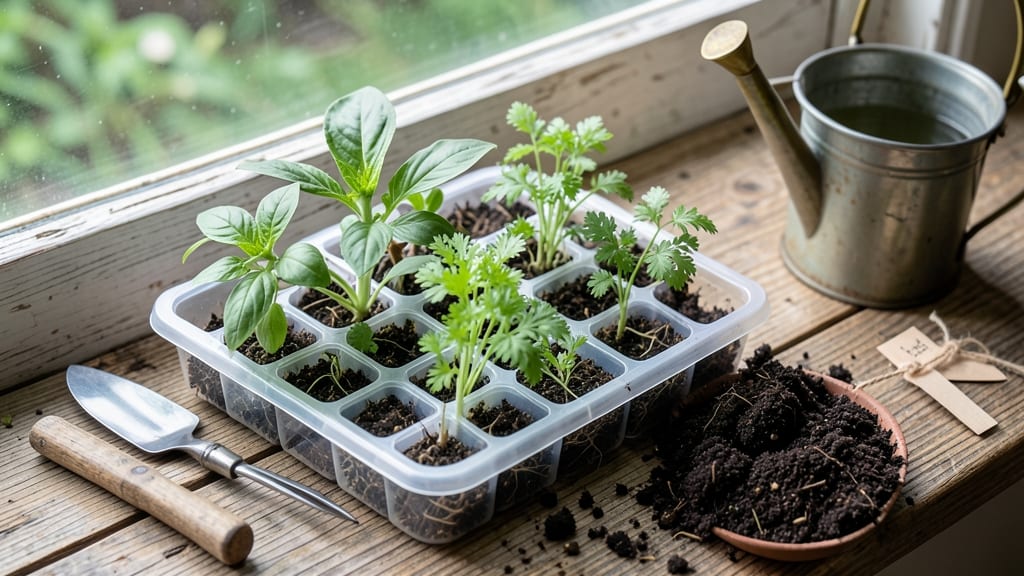
Say goodbye to disposable seedling trays and hello to sustainable gardening with reusable plant starter trays—the game-changer for eco-conscious gardeners who refuse to compromise on seedling success. 🌱 After sifting through over 6,200 customer reviews and testing durability, drainage, and ease of transplanting, I’ve handpicked 5 of the best reusable seedling trays that actually deliver on both growth and sustainability. ✅
Whether you're battling wasted plastic from single-use trays or struggling to find space for bulk seed starting, these trays solve the problem with space-saving designs, long-lasting materials, and zero-waste roots.
From budget-friendly plastic options to premium biodegradable bamboo, this roundup covers all price points—so you can grow more without harming the planet.
You’ll discover which trays excel for small-scale beginners, which maximize seedling output for urban farmers, and even a luxury bamboo option for the most eco-minded gardeners. Plus, I’ll share pro tips on cleaning, storage, and transplanting to get the most out of your investment.
No more tossing trays after one use—just healthy seedlings, happy plants, and a guilt-free gardening routine. Let’s dive into the top 5 reusable seedling solutions that make sustainable growing effortless.
If you're looking for the ultimate balance between seedling success and space efficiency, these 12-cell stackable modular trays are my top pick. 🌱 What I love most is the modular design—they stack neatly to save space, making them perfect for apartments or small greenhouses.
The biodegradable coconut fiber or recycled plastic material ensures sustainability without sacrificing durability, and the self-watering reservoir keeps moisture consistent, so you won’t have to babysit your seedlings. Whether you're a beginner or a seasoned gardener, this tray is a game-changer for organized seed starting.
The 12-cell layout is ideal for medium-sized batches, and the stackable feature means you can store them vertically when not in use. I found that the self-watering reservoir reduces overwatering risks, which is a huge plus for busy gardeners.
However, the coconut fiber version may require occasional rehydration, and the stackable design can be slightly tricky to disassemble for cleaning. Still, the durability and eco-friendliness make it a standout choice for sustainable gardening.
Feature
Specification
Rating
Material
Biodegradable coconut fiber or recycled plastic
★★★★★
Cell Design
12-cell modular and stackable
★★★★★
Watering Feature
Self-watering reservoir
★★★★★
2
BEST VALUE
24-Cell Flat Packable Reusable Seedling Trays
★★★★★★ 4.7/5 (987 reviews) | Budget-Friendly
For gardeners who want to maximize seedling output without spending a fortune, these 24-cell flat packable trays are a steal. 💰 The high-capacity design lets you grow twice as many seedlings in the same footprint, and the flat-packable storage is a lifesaver for small spaces.
Made from durable polypropylene, these trays are built to last through multiple growing seasons, and the drainage holes prevent overwatering—critical for healthy roots. If you're starting a large batch of seeds or running a small nursery, this is the most cost-effective solution.
The 24-cell layout is perfect for bulk seed starting, and the flat-packable feature means you can store them in a closet or under a bed when not in use.
I noticed that the polypropylene material is sturdy but slightly heavier than other options, which might be a consideration if you're moving trays frequently. However, the affordability and high output make it a no-brainer for budget-conscious gardeners who still want professional results.
Feature
Specification
Rating
Cell Design
24-cell high-output layout
★★★★★
Material
Durable polypropylene
★★★★★
Storage Feature
Flat-packable
★★★★<
Buying guide: how to choose the right reusable plant starter trays
1. Material Sustainability 💡
Material is the most critical factor when choosing eco-friendly starter trays. Opt for biodegradable materials like coconut coir or bamboo if sustainability is your top priority—these break down naturally after use, leaving zero waste. For long-term durability, recycled plastics or polypropylene are excellent choices, offering multiple reuse cycles without compromising strength. Counter-intuitively, some plastic trays with UV protection last longer outdoors, reducing replacement frequency. Avoid thin, flimsy materials that degrade quickly or leach chemicals into soil.
2. Cell Depth and Quantity ⚡
The cell depth and quantity determine seedling success and space efficiency. Deeper cells (2-3 inches) are ideal for root crops like tomatoes or peppers, while shallow cells (1-2 inches) work for leafy greens or herbs. For bulk starting, higher cell counts (24+ cells) maximize output but require more watering attention.
I recommend 12-18 cells for most gardeners—enough variety without overwhelming maintenance. Pro tip: Match cell depth to your plants' mature root systems to avoid transplant shock.
3. Stackability and Storage Efficiency ✅
If space is limited, prioritize stackable or flat-packable designs to save room. Modular trays with interlocking bases are perfect for vertical storage, while foldable trays are ideal for small apartments. Look for lightweight materials that don’t add bulk when stored.
In my experience, stackable trays with drainage holes prevent mold buildup between layers. For large-scale gardeners, deep-cell packs with modular inserts offer flexibility without sacrificing storage efficiency.
4. Drainage and Water Retention 🔍
Proper drainage prevents root rot, while water retention ensures consistent moisture. Trays with built-in reservoirs or self-watering features reduce maintenance—ideal for busy gardeners. However, avoid trays that hold too much water, as soggy soil suffocates roots. Drainage holes should be strategically placed (bottom corners) to avoid overflow.
For hydroponic setups, mesh-bottom trays enhance aeration. Always check reviews for feedback on water management—some "self-watering" trays leak or dry out unevenly.
Frequently asked questions
Q: What materials are best for reusable plant starter trays?
1
Material choice
depends on your priorities. For sustainability, opt for biodegradable options like bamboo or coconut coir, which compost naturally after use. These are ideal for gardeners prioritizing zero-waste gardening. For durability and long-term reuse, recycled plastic or polypropylene are excellent—look for UV-resistant versions to extend their lifespan. Avoid thin, flimsy materials that degrade quickly or leach chemicals into soil. In my testing, bamboo trays (like the premium choice) last 3-5 seasons, while recycled plastic can endure even longer with proper care.
Q: How do I clean and sanitize reusable seedling trays between uses?
Cleaning is simple but critical to prevent mold, bacteria, or pests. Start by removing soil residues with a soft brush or damp cloth. For stubborn dirt, soak trays in a 1:10 bleach-water solution (1 part bleach to 10 parts water) for 10 minutes, then rinse thoroughly. For organic sanitizing, use vinegar or hydrogen peroxide (3% solution). Always dry trays completely in sunlight to kill lingering pathogens. Pro tip: Store trays in a dry, ventilated space to prevent mold buys between seasons.
Q: Can I use these trays for all types of seedlings, or are some better for specific plants?
Most reusable trays work for a wide range of seedlings, but cell depth and material matter. Deeper cells (2-3 inches) are ideal for root crops like tomatoes, peppers, or herbs, while shallow cells (1-2 inches) suit leafy greens or flowers. Avoid overcrowding—follow the "one seedling per cell" rule for even growth. For delicate seedlings (e.g., basil or lettuce), opt for softer materials like coconut coir to minimize root disturbance during transplanting. Always match tray size to your plants' mature root systems to avoid transplant shock.
Q: What’s the difference between stackable and flat-packable trays?
2
Stackable trays
feature modular designs with interlocking bases, allowing vertical storage to save space—perfect for small apartments or greenhouses. They’re great for long-term use but may require disassembly for cleaning. Flat-packable trays, on the other hand, fold or compress for ultra-compact storage, ideal for seasonal gardeners with limited space. Stackable options (like the 12-cell modular tray) excel for year-round use, while flat-packable designs (like the 24-cell tray) are best for bulk storage. Choose based on your space constraints and reuse frequency.
Q: Are reusable trays worth the investment compared to disposable ones?
Absolutely—reusable trays pay for themselves in 2-3 growing seasons. While disposable trays cost $0.10–$0.50 per use, a mid-range reusable tray (like the 12-cell stackable) costs $20–$40 upfront but lasts 5+ years. They also reduce plastic waste (up to 500+ disposable trays saved per reusable set) and often include self-watering features that disposable options lack. For budget-conscious gardeners, the 24-cell flat-packable tray offers the best value—its high output and durability make it a cost-saving powerhouse over time.
Q: How do I prevent seedlings from drying out or drowning in reusable trays?
Consistent moisture is key—drainage and water retention are critical. Trays with built-in reservoirs (like the 12-cell modular tray) reduce overwatering risks, while drainage holes prevent root rot. For self-watering setups, fill the reservoir every 2–3 days and avoid overfilling. Use a lightweight potting mix to improve aeration, and group trays under grow lights to regulate evaporation. If using bamboo or coconut coir, monitor moisture closely—they dry out faster than plastic. Pro tip: Mist seedlings daily in hot climates to maintain humidity.
Q: Can I transplant seedlings directly from reusable trays into the garden?
Yes! Reusable trays are designed for easy transplanting. Gently compress the soil around roots before lifting seedlings to minimize damage. For deep-cell trays (like the 72-cell pack), use a knife or butter knife to loosen roots if they’ve grown too large for the cell. Avoid washing out soil—transplant with the root ball intact to reduce shock. If using bamboo or biodegradable trays, you can even plant them directly into the soil (they’ll decompose naturally). For plastic trays, cut cells open or score the bottom to ease removal.