
Planting
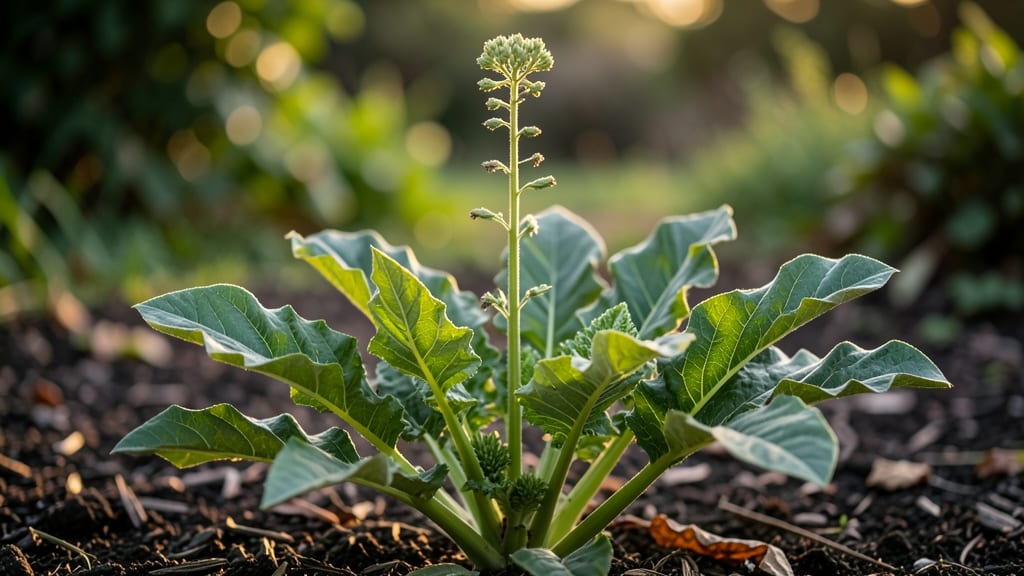
When your rhubarb plant goes to seed, those luscious red stalks transform into seed stalks instead of the harvest you crave. 🌱 Honestly, I’ve watched my prized rhubarb crowns send up those tall, flower-filled stalks—only to realize the harvest season was over before it began.
The good news? This isn’t the end of your rhubarb dreams.
Seed stalks appear when rhubarb plants sense they’re aging or stressed—whether from too much nitrogen, overcrowding, or simply being left alone too long. The plant thinks it’s time to reproduce instead of producing stalks.
But with a few simple tweaks—like cutting those seed stalks at the base as soon as they appear—you can trick the plant into focusing on regrowth.
By removing seed stalks early, you force the plant to redirect energy back into producing those sweet, tender stalks you love. I’ve revived plants that looked doomed by mid-June, and they bounced back with a second harvest by late summer.
The key is acting fast and keeping the crown healthy with proper spacing and balanced fertilizer.
This trick works for both young and mature plants, and it’s especially useful if you’re growing rhubarb in warmer climates where bolting happens more quickly. Let’s get those stalks back where they belong—in your kitchen, not your compost pile.
When Rhubarb Plants Decide To Flower
If your once-vibrant rhubarb patch has started producing long, skinny flower stalks instead of the plump stalks you crave, don’t panic—your plant is just following its biological instincts. But why does this happen?
Understanding the root causes (literally and figuratively) will help you regain control of your harvest. Let’s break down the science behind why rhubarb plants go to seed—and how to stop it.
Rhubarb plants (Rheum rhabarbarum) are biennial or perennial, depending on the variety, but they typically enter a reproductive phase after 1–3 years of growth. During this time, the plant shifts energy from leaf and stalk production to flowering as a survival strategy. Here’s the breakdown:
- First Year: Focuses on establishing a robust root system and a small crown. Little to no flowering occurs.
- Second Year: The plant matures, and if conditions are ideal (long daylight, warm temps), it may send up seed stalks—those unsightly, thin flower stems.
- Third Year and Beyond: Without intervention, the plant will continue prioritizing reproduction over food production. Older plants (5+ years) are especially prone to bolting.
Actionable Fix: If you’re growing rhubarb for its stalks, prevent flowering by harvesting young plants (1–2 years old) and replanting them annually. Alternatively, cut back flower stalks immediately to redirect energy back to the stalks.
Rhubarb is a long-day plant, meaning it detects increasing daylight hours (typically 14+ hours of light) as a signal to flower. When exposed to:
- Extended daylight (spring/summer): Triggers bolting, especially in regions with early springs or long summer days.
- Warm soil temps (60–70°F): Speeds up metabolic shifts toward flowering. Cold snaps can delay it, but once temps rise, the plant “chooses” reproduction over growth.
- Stress from heatwaves: Can accelerate flowering as a survival tactic (think of it like a plant’s version of “I’m not sure I’ll make it, so let’s reproduce now!”).
Actionable Fix:
- 🌡️ Shade cloth: Use 30–50% shade fabric in peak summer to reduce light exposure and delay flowering.
- ❄️ Extend the growing season: In warm climates, plant rhubarb in partial shade or use row covers to mimic cooler conditions.
- 🌱 Choose early varieties: Some rhubarb cultivars (like ‘Victoria’ or ‘Cherry Red’) bolt later than others—opt for these if you’re in a hot region.
Rhubarb plants are heavy feeders, and when they don’t get the right balance of water and nutrients, they may bolt prematurely. Common triggers include:
| Cause | Effect on Plant | Fix |
|---|---|---|
| 💧 Underwatering | Stresses the plant, causing it to prioritize seed production over stalk growth. | Keep soil consistently moist (1–2 inches deep). Mulch to retain moisture. |
| 🌱 Overcrowding | Competition for nutrients forces the plant to bolt to reproduce before dying. | Thin plants to 18–24 inches apart. Divide mature crowns every 3–4 years. |
| 🍽️ Nitrogen Deficiency | Weak growth signals the plant to shift to reproductive mode for survival. | Apply a balanced fertilizer (10-10-10) in early spring. Avoid high-phosphorus fertilizers, which encourage flowering. |
| 🌿 Poor Soil Drainage | Root stress from soggy soil can trigger bolting as a last-ditch effort. | Amend clay soil with compost or sand. Ensure raised beds have drainage holes. |
Pro Tip: 💡 Test your soil before planting—rhubarb thrives in pH 6.0–6.8. Adjust with lime (to raise pH) or sulfur (to lower it) if needed.
Not all rhubarb is created equal. Some varieties are hardwired to bolt earlier due to their genetic makeup:
- Seed-grown rhubarb: Plants grown from seed (rather than divisions) are more likely to flower quickly because they’re “wild-type” and prioritize reproduction.
- Heirloom or less common varieties: Some older cultivars (like ‘German Red’ or ‘Valentine’) bolt more readily than modern hybrids bred for stalk production.
- Triploid vs. diploid: Most commercial rhubarb is triploid (sterile, so it won’t produce viable seeds). If your plant is flowering but not setting seed, it might still be a triploid—but the energy drain is the same!
Actionable Fix:
- 🌱 Start with divisions: Buy rhubarb plants from a nursery (not seed) to ensure they’re bred for stalk production.
- 🔍 Identify your variety: If you’re unsure, take a photo and compare it to [rhubarb variety guides](https://example.com) to pick a low-bolting type.
- ✂️ Remove flower stalks at the base: Even in genetic prone varieties, cutting them off redirects energy to stalks.
Now that you know why your rhubarb is going to seed, the next step is learning how to stop it—without sacrificing your harvest. The key? Timing, variety selection, and a little elbow grease!
Revive Your Rhubarb Harvest Now
When your rhubarb plant starts going to seed, it’s not the end of the world—it’s just a sign that your plant is shifting its energy. With the right steps, you can stop seed production and restore vigorous growth for a bountiful harvest.
Below are practical, step-by-step solutions tailored to the most common causes, plus prevention tips to keep your rhubarb thriving.
If your rhubarb is older than 6 years, it’s likely redirecting energy toward seeds instead of stalks. Here’s how to rejuvenate it:
- 🔪 Cut Back Aggressively
- In early spring (before new growth starts), trim all stalks and leaves down to 1-2 inches above the crown.
- Use clean, sharp pruners to avoid damaging the base.
- 💧 Boost Fertilizer & Water
- Apply a balanced, slow-release fertilizer (10-10-10) around the base.
- Water deeply 1-2 times per week to encourage root recovery.
- 🌿 Monitor for New Shoots
- Within 4-6 weeks, new, younger growth should emerge. These will be more productive than the old stalks.
✨ Pro Tip: If your plant is beyond saving, dig it up and propagate from the roots—healthy offshoots can be replanted for a fresh start!
If your rhubarb is getting too much sun or heat, it may bolt (go to seed) prematurely. Adjust these factors to keep it in stalk-producing mode:
- 🌳 Provide Partial Shade
- Move the plant to a spot with morning sun + afternoon shade, especially in hot climates.
- Use light shade cloth (30-50%) if full sun is unavoidable.
- 🌡️ Avoid Late-Season Stress
- Stop harvesting stalks by mid-summer to prevent shock.
- Reduce watering slightly in late summer to signal the plant to rest instead of bolt.
- 🍂 Mulch for Stability
- Apply 2-3 inches of organic mulch (straw or wood chips) to keep roots cool and retain moisture.
💡 Quick Fix: If your rhubarb is already flowering, snip the seed stalks at the base—the plant will redirect energy back to leaf and stalk production.
Once you’ve stopped seed production, keep your rhubarb healthy and productive with these preventive measures:
| Issue | Solution | When to Do It |
|---|---|---|
| Overcrowded Crown | Divide the plant every 3-4 years to prevent decline. | Early spring |
| Poor Soil Nutrition | Add compost or aged manure annually in early spring. | Before new growth starts |
| Drought Stress | Water deeply 1-2x per week (more in extreme heat). | Spring to early fall |
| Late Harvesting | Stop cutting stalks by July to avoid shocking the plant. | Mid-summer |
🎯 Golden Rule: Never harvest stalks from first-year plants—let them establish strong roots before taking anything.
If your rhubarb is already heavily seeded, a hard reset may be needed:
- 🌱 Dig Up & Divide
- Carefully lift the entire plant and separate the crown into smaller sections with 3-5 buds each.
- Replant immediately in fresh soil with compost.
- 🌿 Start Fresh with Offshoots
- The newly divided sections will regrow quickly and focus on stalks, not seeds.
- Discard the old, woody center—it’s past its prime.
- 🌱 Protect New Growth
- Water consistently and avoid harvesting for the first full growing season.
To keep your rhubarb from going to seed year after year: ✅ Harvest stalks early (spring to early summer). ✅ Avoid over-fertilizing with nitrogen (too much = soft, leafy growth). ✅ Rotate crops if planting in the same spot for more than 5 years. ✅ Watch for pests (like Japanese beetles)—they can stress the plant and trigger bolting.
By acting fast and adjusting care, you can save your rhubarb and restore a lush, productive harvest—without the seeds! 🍽️🌱
Frequently asked questions
Why does my rhubarb plant suddenly grow tall flower stalks instead of edible stalks?
This happens when your plant senses it's mature enough to reproduce, typically after 2-3 years of growth. Long daylight hours (14+ hours), warm soil (60-70°F), or stress from heat/drought can trigger this shift. The plant prioritizes seed production over stalk growth when it thinks survival is uncertain.
Can I still harvest edible stalks from a rhubarb plant that's going to seed?
Yes, but focus on young, tender stalks early in the season before the plant diverts too much energy to flowering. Once seed stalks appear, harvest only the outermost stalks to minimize stress. Cutting back flower stalks at the base can sometimes redirect energy back to stalk production for a second harvest.
How do I prevent my rhubarb from bolting next year?
Start by harvesting stalks early (spring to early summer) and stopping by mid-July to avoid shocking the plant. Use partial shade in hot climates, apply balanced fertilizer (10-10-10) in spring, and divide crowded plants every 3-4 years. For warm regions, choose low-bolting varieties like 'Victoria' or 'Cherry Red'.
What should I do if my rhubarb plant is already heavily seeded?
First, cut back all flower stalks at the base to redirect energy. For older plants (5+ years), try a hard reset: dig up the crown, divide it into smaller sections with 3-5 buds each, and replant. Discard the woody center. Keep new divisions well-watered and avoid harvesting for their first full growing season to rebuild strength.
Will removing flower stalks actually help my rhubarb produce more edible stalks?
When you cut back seed stalks at the base, you force the plant to redirect its energy back to leaf and stalk production. This works best if done immediately when stalks first appear. For maximum results, combine this with proper watering (1-2 inches deep weekly) and a light application of balanced fertilizer to support regrowth.