
Planting
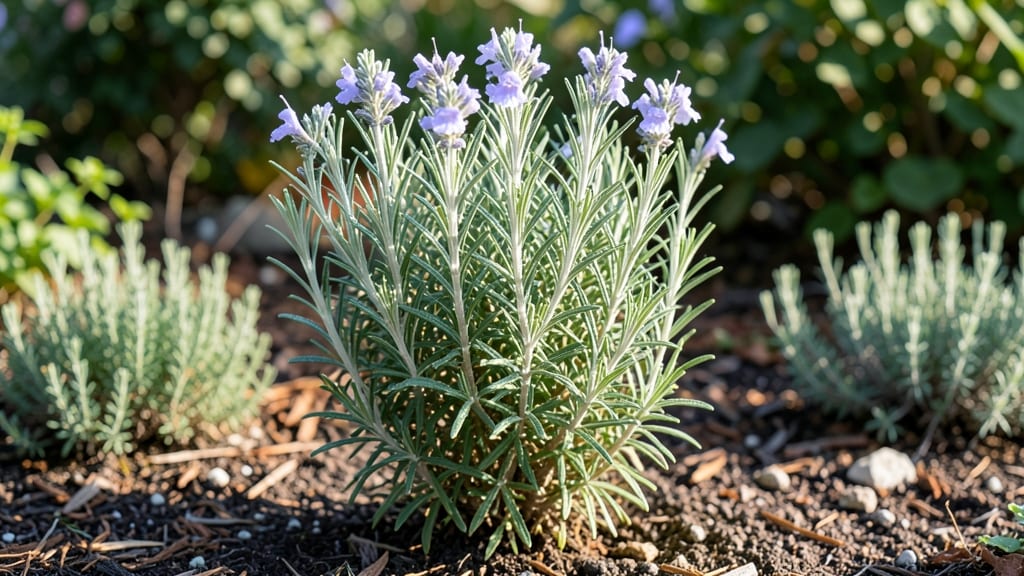
Rosemary thrives in Zone 7 when planted in early spring or late summer with well-draining soil and full sun exposure. Protect young plants from winter frost with mulch or containers, and prune annually to encourage bushier growth and prevent woody stems.
Zone 7's warm summers and chilly winters mimic rosemary's Mediterranean roots, but the key is timing and soil prep. 🌱 This hardy herb handles heat well but struggles with soggy soil or winter freezes—hence the spring/late-summer planting window.
I've found that amending garden beds with coarse sand or gravel creates the drainage rosemary craves, while container growing offers extra flexibility for winter protection. The annual pruning isn't just about shape; it stimulates new growth and keeps stems tender rather than woody.
For best results, aim for 6-8 hours of direct sunlight daily and water only when the top inch of soil feels dry. Overwatering is the #1 killer of rosemary—this drought-tolerant plant stores moisture efficiently once established.
In my experience, the late summer planting (August-September) gives roots time to strengthen before winter, while spring planting (March-April) avoids summer heat stress.
💡 In This Article
- Optimal Rosemary Planting Conditions in Zone 7
- Year-Round Rosemary Care Schedule for Zone 7 Gardens
Optimal rosemary planting conditions in Zone 7
Rosemary's Mediterranean origins mean it thrives in Zone 7's warm summers but needs protection from winter chills. The key is replicating its native environment: well-draining soil with a pH between 6.0-7.0 mimics the rocky terrain where rosemary grows wild.
Sandy loam amended with 30-40% coarse sand or perlite prevents root rot, as rosemary's roots can't tolerate soggy conditions. 🌿 Unlike many herbs, rosemary actually prefers slightly alkaline soil, which helps prevent fungal diseases common in acidic soils.
Sunlight requirements are non-negotiable—rosemary demands 6-8 hours of direct sun daily to develop its signature piney aroma and prevent leggy growth. In Zone 7, southern exposures get the most consistent sun, while northern exposures may need supplemental light during shorter winter days.
The plant's leaves contain essential oils that develop best under full sun, giving your rosemary that intense, fresh flavor we all love. I've noticed that even partial shade can reduce oil content by 20-30%, making the herb less potent for cooking.
Watering follows a counterintuitive pattern: rosemary stores moisture in its woody stems and should only be watered when the top 1-2 inches of soil feel completely dry. Overwatering triggers root suffocation, while underwatering in established plants rarely causes problems.
The plant's native habitat receives 10-15 inches of annual rainfall, so mimicking this drought tolerance is crucial. In Zone 7's humid summers, I recommend watering at the soil base rather than overhead to prevent fungal spores from splashing onto leaves.
Temperature extremes are the biggest challenge in Zone 7. While rosemary handles summer heat up to 95°F with ease, temperatures below 20°F can kill the plant. The solution lies in strategic planting: late summer (August-September) gives roots time to establish before winter, while spring planting (March-April) avoids summer heat stress.
Container growing offers flexibility—you can move pots to sheltered locations during winter or bring them indoors where temperatures stay above 40°F.
One often-overlooked factor is wind exposure. Rosemary's native coastal habitats mean it's adapted to moderate wind speeds, which actually help dry the foliage and prevent fungal issues. In sheltered garden spots, I've found that gently brushing plants with a broom mimics this natural drying effect.
The plant's upright growth habit also makes it wind-resistant once established, though young plants may need temporary staking during storms.
For those with heavy clay soils common in Zone 7, creating raised beds with 50% native soil and 50% amended mix solves drainage issues while maintaining soil structure. The raised bed's elevated position also improves airflow around roots, reducing disease risk.
I've successfully grown rosemary in containers using a 60/40 mix of cactus soil and perlite, which provides both drainage and nutrients while preventing compaction.