
Planting
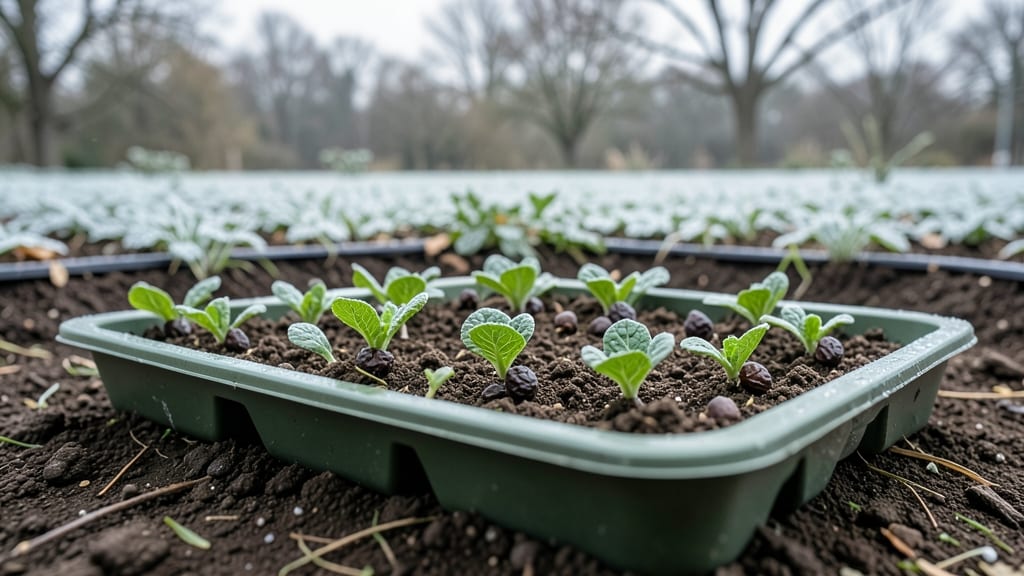
January may feel like winter’s peak, but savvy gardeners know this is the perfect time to start cold-resistant seeds. These 10 hardy crops thrive in early sowing, giving you a head start on fresh harvests and stronger plants by spring.
Peas for Early Spring Harvests
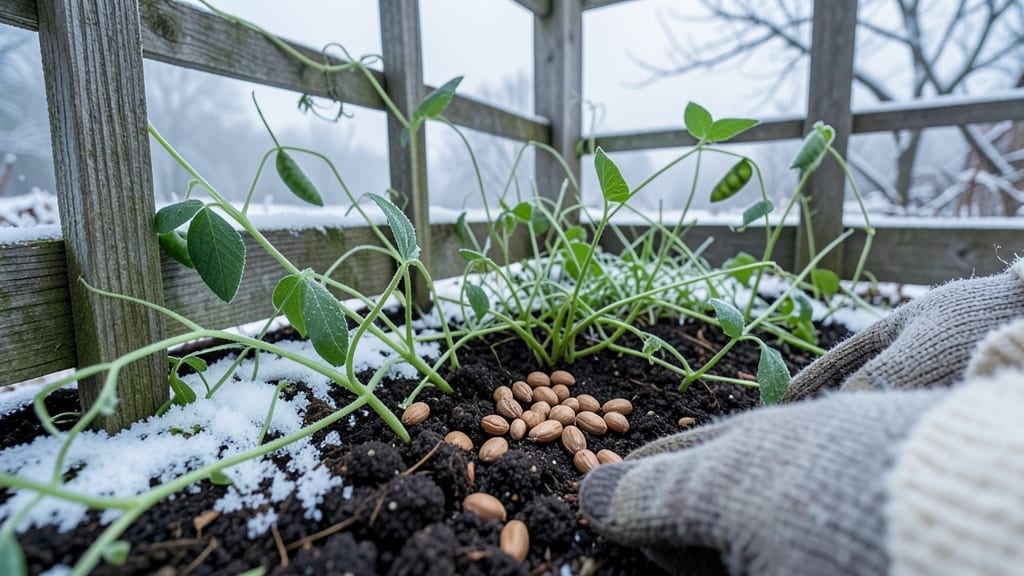
If you're craving a taste of spring while still bundled up in winter gear, peas are your secret weapon. These fast-growing legumes thrive in January’s cool soil, often sprouting within days of planting—sometimes even through light snow cover. Their ability to tolerate frost means you can start them outdoors as soon as the ground is workable, giving you a jump on the growing season.
Beyond their speed, peas offer a double benefit: edible pods for fresh eating and nitrogen-fixing roots that enrich your soil for future crops. Varieties like sugar snap peas or snow peas produce sweet harvests in just 60-70 days, while their vines provide natural trellising. For best results, sow seeds 1 inch deep in well-drained soil and provide a trellis or fence for support—this vertical growth maximizes small spaces.
This makes peas ideal for beginner gardeners or those with limited space, as they deliver quick rewards and improve soil health simultaneously. Plus, their early harvests give you fresh produce when winter feels endless. 🌱
Spinach for Nutrient-Dense Greens
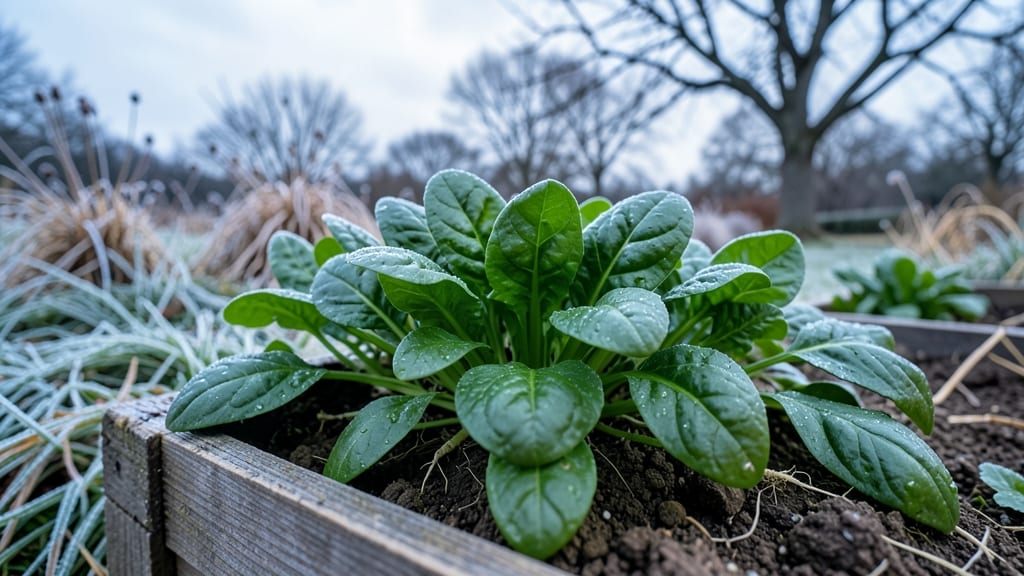
While peas might be the first crop on your mind for January, spinach is the unsung hero of cold-season gardening—delivering tender, nutrient-packed greens when most plants are dormant. Unlike heat-sensitive lettuce, spinach actually prefers cooler temperatures, making it ideal for late winter harvests even in Zone 3 climates.
Look for bolting-resistant varieties like 'Bloomsdale Long Standing' or 'Tyee' to extend your harvest window. These varieties resist the urge to flower prematurely, giving you fresh leaves for salads and sautéing well into spring. For best results, sow seeds directly into well-drained soil with a light mulch layer to protect tender seedlings from temperature swings.
This leafy green is perfect for beginners or urban gardeners with limited space—it thrives in containers and can be harvested continuously by picking outer leaves. You’ll get one of the most nutrient-dense crops in your garden, packed with vitamins A, C, and K. 🌱
Lettuce for Cut-and-Come-Again Varieties
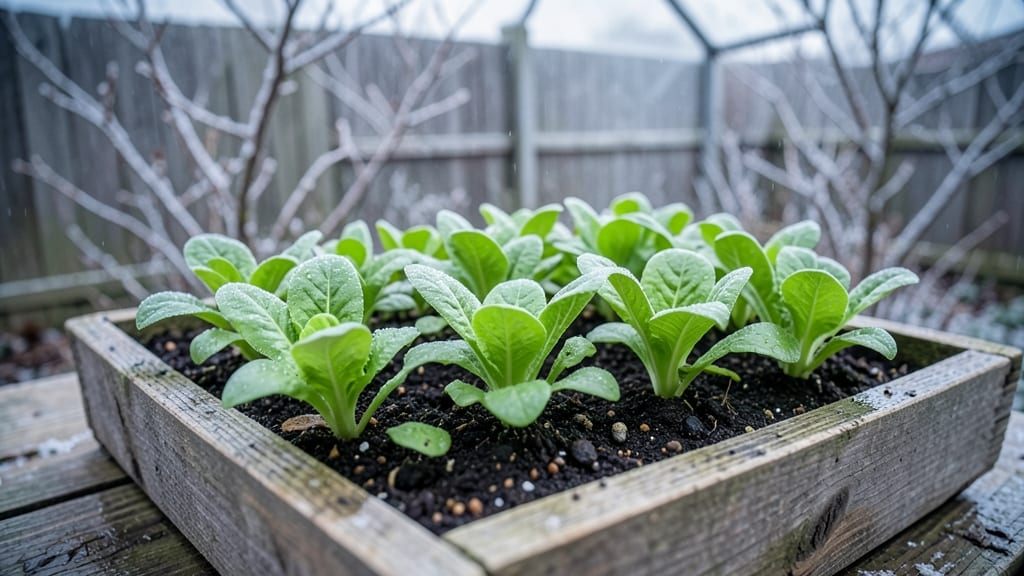
If you're craving fresh greens but dread the bolting that strikes lettuce as temperatures rise, January is the perfect time to start heat-sensitive varieties like 'Winter Density'. This cut-and-come-again lettuce thrives in cool soil, delivering tender leaves for weeks without rushing to seed.
Sow seeds directly in well-draining soil under partial shade or morning sun (2-4 hours daily) to prevent premature bolting. Space rows 12 inches apart and keep soil consistently moist but not soggy. You'll enjoy harvests in just 30-40 days, with the outer leaves ready to pick while inner leaves continue growing.
This variety is ideal for gardeners who want year-round greens without the fuss of succession planting—just snip what you need and let the plant regrow. Perfect for balcony containers or raised beds! 🌱
Onions for Long-Term Storage Roots
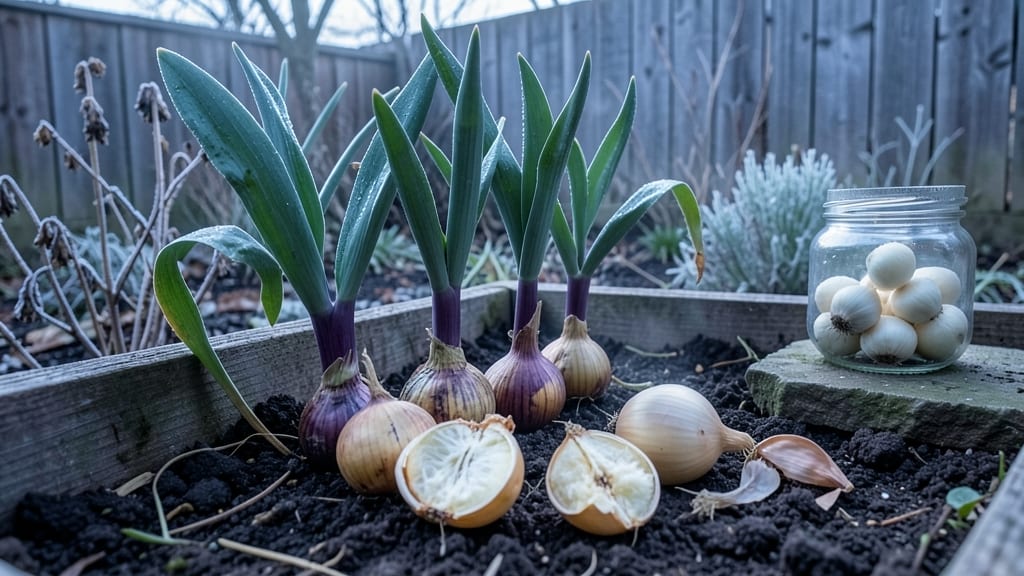
If you’ve ever struggled with onions that shrivel in storage or lack flavor, January-sown onions are your game-changer. Varieties like 'Stuttgarter' thrive when planted early, developing robust bulbs that store for months—no more sad, sprouting supermarket onions in your pantry.
These onions love cool January soil (40–60°F) and take 120–150 days to mature, making them perfect for gardeners who want to skip the grocery store. Plant seeds ½ inch deep, 4–6 inches apart, and keep soil consistently moist. The key to storage success? Cure the bulbs in a dry, shaded spot for 2–3 weeks after harvest before braiding or storing in a cool, dark place.
This method is ideal for homesteaders, meal preppers, or anyone tired of weak store-bought onions. With just a little patience, you’ll enjoy homegrown flavor all year. 🌱
Radishes for Quick Harvest Success
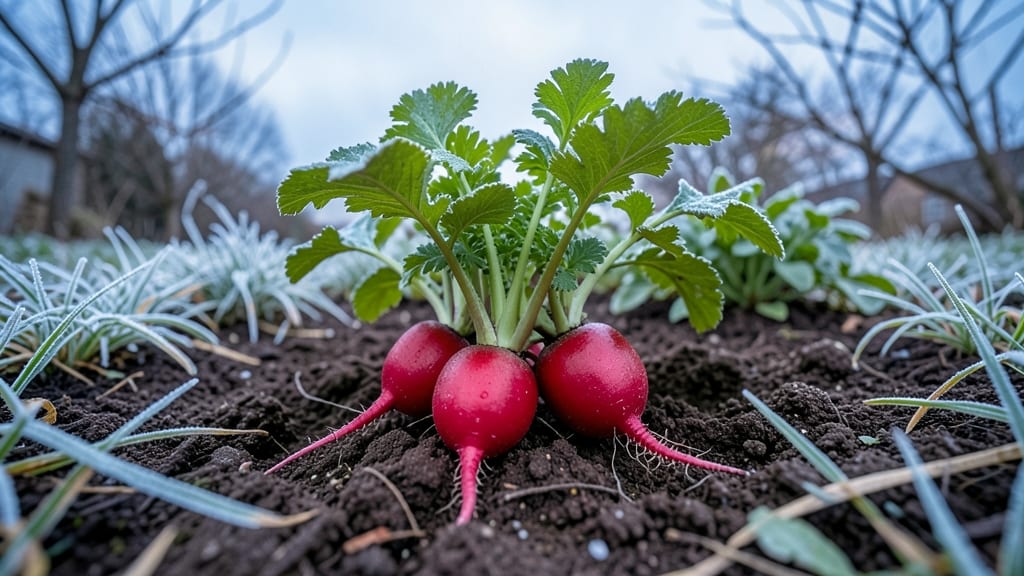
If you’re craving a fast win in your winter garden, radishes like 'Cherry Belle' deliver in just 25 days—long before most other crops even sprout. Their bright red roots and peppery flavor make them a rewarding first harvest, perfect for gardeners eager to see progress in January’s chill.
Sow seeds ½ inch deep in well-drained soil, spacing them 1 inch apart in rows 12 inches apart. They thrive in cool temperatures (40–70°F) and tolerate light frosts, while their strong scent naturally deters pests like flea beetles. For continuous harvests, plant new seeds every 2–3 weeks until early spring.
This makes radishes ideal for small spaces, containers, or urban gardens—they’re the ultimate confidence booster for beginners or anyone short on patience. 🌱
Kale for Cold-Weather Resilience
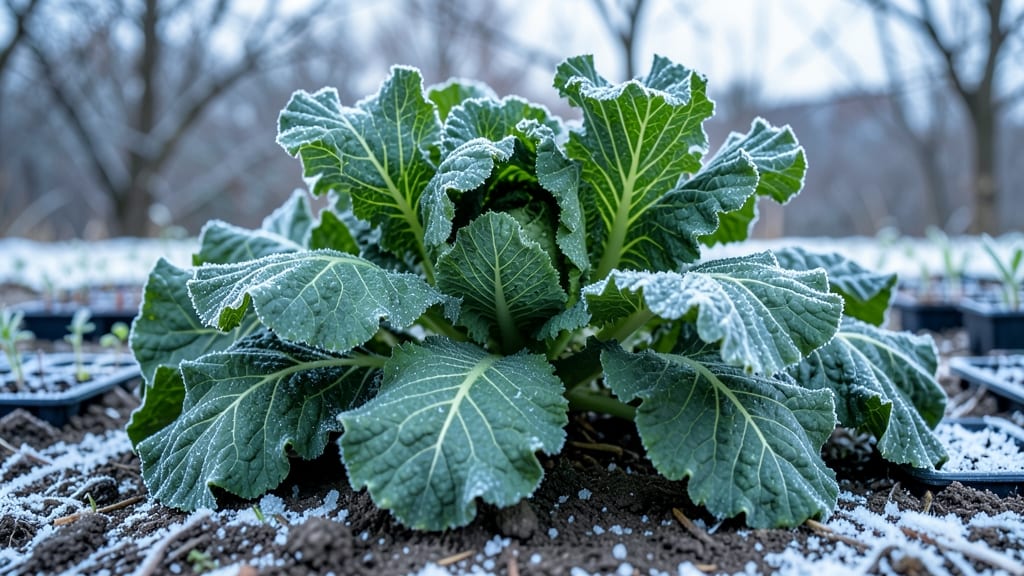
If you’re craving fresh greens but dread the thought of winter’s end, curly kale like 'Winterbor' is your secret weapon. This frost-loving plant not only survives January’s chill but actually tastes sweeter after a light freeze, making it one of the most rewarding cold-weather crops.
Sow seeds directly in well-draining soil with full sun to partial shade, spacing them 12-18 inches apart. Kale thrives in temperatures down to 20°F, so no need for row covers unless you’re facing extreme cold snaps. Harvest outer leaves as needed, leaving the center to keep producing—this ensures a steady supply of nutrient-packed greens for months.
Perfect for beginners or urban gardeners with limited space, kale’s resilience and versatility make it a must-have for January sowing. Plus, its hardy nature means fewer worries about frost damage compared to other greens. 🌱
Carrots for Loose, Sandy Soil Needs
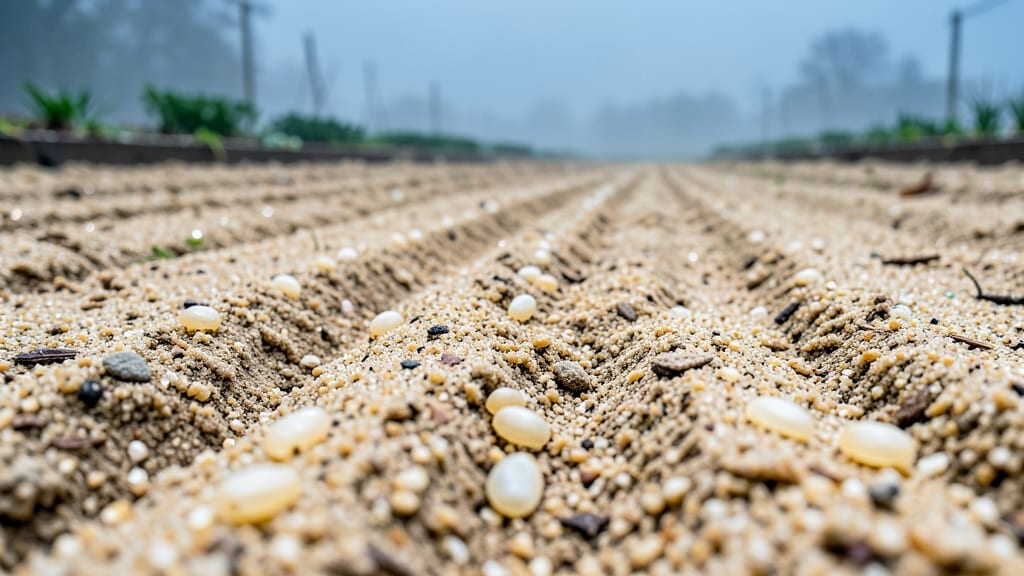
If your garden soil is loose, sandy, and well-drained, Nantes carrots are your January secret weapon. Unlike other crops, these slow-to-germinate varieties actually prefer the cool, crisp conditions of early winter, producing sweet, straight roots when sown directly in the ground.
Sow seeds ¼ inch deep in rows spaced 12-15 inches apart, keeping soil consistently moist but never soggy. The key to success is patience—germination can take 2-3 weeks in cold soil, so avoid disturbing the area. Once sprouted, thin seedlings to 2 inches apart for maximum root development. This variety thrives in USDA zones 3-10, making it ideal for gardeners in colder climates.
Perfect for gardeners with sandy soil or those who want to beat the rush of spring planting, Nantes carrots reward you with early harvests in 70-80 days. Their crisp texture and natural sweetness make them a standout in winter salads. 🌱
Broccoli for Hardy Transplant Starts
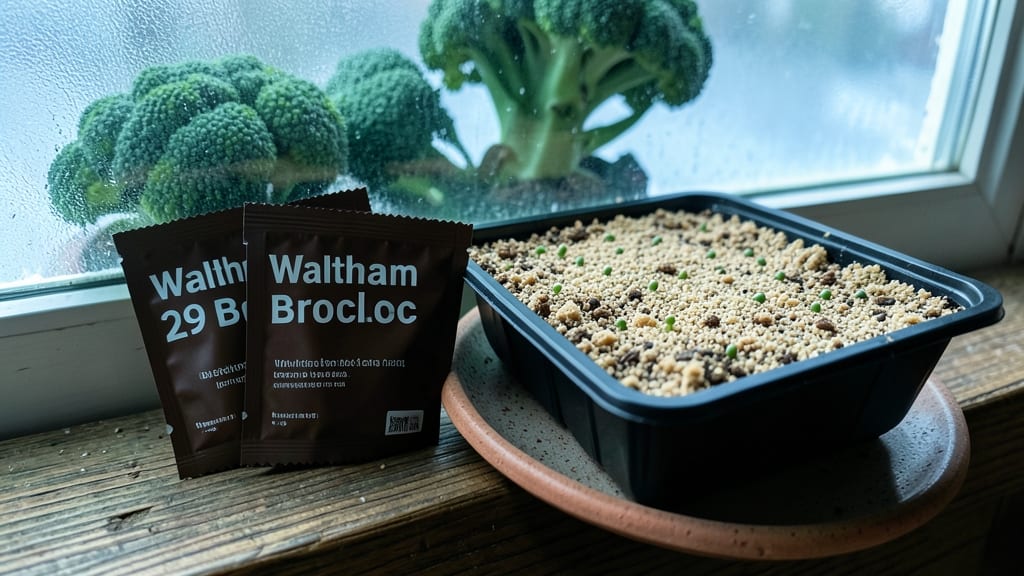
Skip the spring rush and start Waltham 29 broccoli indoors in January for a jump on the season. This cold-hardy variety thrives in winter conditions, producing large, dense heads that resist bolting—unlike spring-planted broccoli that often flowers too quickly.
Sow seeds in well-draining seedling mix under grow lights (14-16 hours/day) to prevent leggy growth. Harden off seedlings in late February and transplant after the last frost when soil reaches 45°F. Space plants 18 inches apart for optimal head development, and side-dress with compost to boost nutrient uptake.
Perfect for gardeners in USDA Zones 3-8, this early start ensures a spring harvest 2-3 weeks ahead of traditional plantings. 🌱
Beets for Dual Edible Roots and Greens
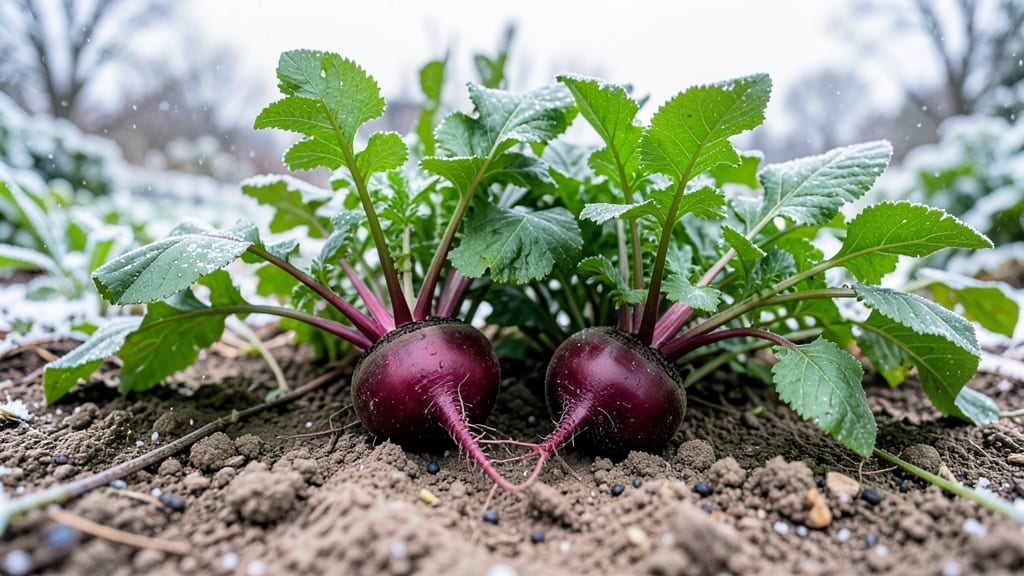
Why settle for one harvest when you can get two? Detroit Dark Red beets are a January gardener’s secret weapon, delivering both tender greens and earthy-sweet roots from a single planting. Their cold-hardy nature makes them perfect for early sowing, even in snowy climates.
Direct-sow seeds in well-drained soil when temperatures stay above 30°F, spacing them 2 inches apart. Thin seedlings to 3-4 inches as they grow—this prevents overcrowding and ensures both roots and greens develop properly. The greens are ready to harvest in 4-6 weeks, while roots mature in 50-60 days. For extra flavor, try harvesting greens first, then let the roots bulk up.
This dual-purpose crop is ideal for small-space gardeners or anyone looking to maximize their January planting. Plus, beet greens are packed with nutrients like vitamin K and iron, making them a powerhouse addition to salads or sautés. 🌻
Cabbage for Pest-Resistant Growth

If you’re tired of battling cabbage worms and slugs in your garden, January King cabbage is your secret weapon. This slow-growing variety thrives in cool January soils, developing tight heads that naturally deter pests while storing well for months after harvest.
Sow seeds indoors in early January for transplants by late February, or direct-sow in well-drained soil when temperatures drop below 50°F. The compact heads mature in 80-90 days, offering crisp texture and sweet flavor even after frost. For extra protection, use floating row covers until plants establish.
Perfect for gardeners who want low-maintenance, pest-resistant crops with long storage life—ideal for late-winter meals or preserving. 🌱