
Planting
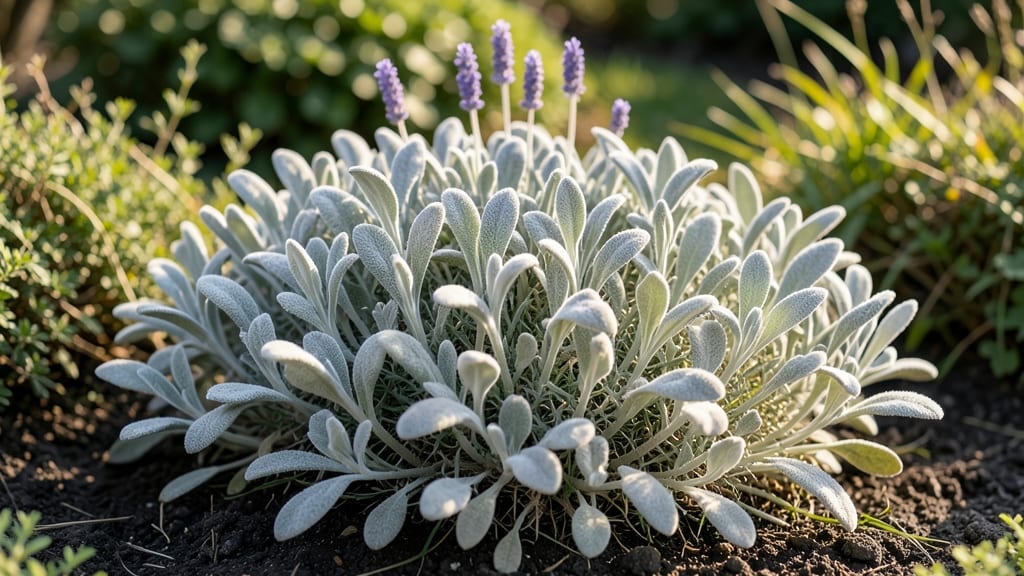
Growing a sheep ear plant (Stachys byzantina) transforms dull garden corners into soft, silver clouds. 🌿 This cold-hardy ground cover thrives where most plants struggle—dry shade, poor soil, even rocky slopes—while delivering that velvety texture we all crave.
The key lies in mimicking its natural Mediterranean habitat: minimal fuss, maximum impact.
The secret to success starts with well-draining soil—sandy or gravelly works best—and full sun to partial shade. Water only when the top inch feels dry; overwatering turns those prized fuzzy leaves into sad, limp mats.
Mulch with gravel to keep roots cool and roots healthy, especially in humid summers. Prune back by a third in early spring to encourage bushier growth.
By late summer, your plants will reward you with silver-gray foliage so dense it feels like walking on a cloud. The best part? It spreads slowly but steadily, creating a living carpet that chokes out weeds naturally.
Even better, deer and rabbits leave it alone—unlike most tender perennials. For propagation, simply divide clumps in spring or take stem cuttings in summer.
This plant proves that beauty and resilience go hand in hand. Whether you're filling gaps between stepping stones, softening a slope, or adding texture to a shady border, sheep ear delivers year-round interest with almost no maintenance. The only real mistake? Waiting too long to plant it.
📚 In This Guide
- What you need
- Instructions
- Tips and common mistakes
- Wrapping up and next steps
What you need
- ● Sheep ear plant (Stachys byzantina) – 1 to 3 nursery-grown plants (or seeds, if starting from scratch). Look for healthy, silvery-gray foliage.
- ● Well-draining potting mix – 1 bag (10-12 quarts) of a blend designed for perennials or succulents (e.g., Miracle-Gro Potting Mix or Black Gold Natural & Organic).
- ○ Garden soil (optional, for in-ground planting) – Amend with compost (1 part compost to 3 parts soil) for better drainage.
- ● Containers (if not planting in-ground) – 1-3 pots (10-12 inches in diameter) with drainage holes, or a raised garden bed.
- ● Watering can or hose with a gentle spray nozzle – For even moisture without over-saturating.
- ○ Garden gloves – To protect your hands from prickly stems (optional but recommended!).
- ● Trowel or small shovel – For transplanting or digging holes (6 inches deep for pots, 12 inches for in-ground planting).
- ○ Mulch (optional) – 1-2 inches of shredded bark or gravel to retain moisture and suppress weeds.
- ○ Fertilizer (optional) – A balanced, slow-release fertilizer (e.g., 10-10-10) or compost tea for a nutrient boost.
- ● Pruning shears – For trimming leggy stems in early spring (sterilize with rubbing alcohol first!).
Step-by-step guide to planting and maintaining sheep ear plant
This cold-hardy ground cover thrives with minimal fuss—here's how to grow lush, velvety foliage that spreads beautifully.
🌱 Step 1: Select and Prepare the Planting Site
Sheep ear plant (Sedum spurium) loves full sun to partial shade and tolerates poor, rocky soil—ideal for slopes or dry areas. Choose a spot with 6+ hours of direct sunlight daily for the most vibrant foliage. If your climate runs hot, afternoon shade prevents leaf scorch, especially in the first growing season.
Test the soil pH—sheep ear thrives in neutral to slightly alkaline soil (6.5-7.5). Amend heavy clay by mixing in 2-3 inches of coarse sand or gravel to improve drainage. I always rake the area smooth and remove any weeds or grass, as competition will stunt your new plants.
🪴 Step 2: Plant Divided Stems or Bare Root Cuttings
Sheep ear spreads easily from stem cuttings or divisions. If using cuttings, take 4-inch sections from healthy stems in early spring or fall. Remove lower leaves to expose the stem and let the cut ends callus over for 24 hours before planting. This prevents rot and encourages root growth.
Dig holes 12-18 inches apart—closer spacing works for slopes, while wider gaps suit flat ground. Plant cuttings at the same depth they grew in their original pot, pressing soil gently around the base. Water deeply right after planting to settle the soil and eliminate air pockets. You'll see new growth within 2-3 weeks if conditions are right.
☀️ Step 3: Water and Mulch for Establishment
Sheep ear plant is drought-tolerant once established, but young plants need consistent moisture. Water 1-2 times per week until roots take hold (about 4-6 weeksnew growth with thick, velvety leaves.
Apply a 2-inch layer of gravel or small stones around the base to retain moisture and suppress weeds. Organic mulches like wood chips work too, but they break down faster. Avoid piling mulch directly against stems—keep it 2 inches away to prevent rot. This ground cover thrives with neglect, but proper mulching ensures a head start.
✂️ Step 4: Prune and Maintain for Year-Round Beauty
Sheep ear plant blooms in late summer with star-shaped flowers, but the real show is its foliage. Cut back 1/3 of the plant in early spring to encourage bushier growth and prevent legginess. I also shear the edges lightly to maintain a neat, rounded shape—this works especially well for slopes or borders.
Fertilize lightly in early spring with a balanced, slow-release fertilizer (10-10-10). Too much nitrogen leads to weak stems and fewer flowers. Deadhead spent blooms in fall to redirect energy into root growth. Over time, sheep ear spreads naturally, so divide clumps every 3-4 years to keep them vigorous.
⏰ Step 5: Overwinter for Next Season's Growth
This cold-hardy plant thrives in USDA zones 3-9, but a thick layer of mulch protects roots in winter. Apply 4-6 inches of mulch after the first frost, then remove it in early spring once temperatures rise above 40°F. Avoid heavy mulch in winter if your area experiences freeze-thaw cycles—it can suffocate the plant.
Sheep ear plant rarely needs intervention, but watch for powdery mildew in humid summers. Improve airflow by spacing plants correctly and watering at the base. With proper care, your ground cover will spread into a lush, velvety carpet that brightens any garden space year after year.
Tips & tricks for perfect sheep ear plant maintenance
These simple strategies will help you cultivate the most vibrant, velvety foliage with minimal effort.
Site Preparation Secret: Before planting, I always conduct a quick soil test using a simple pH kit—sheep ear plant thrives in that neutral-to-slightly-alkaline range (6.5-7.5). If your soil tests acidic, mix in crushed limestone at a rate of 1 pound per 100 square feet. This adjustment prevents nutrient lockout and ensures vibrant foliage from day one.
Planting Timing: The 24-hour callusing period for cuttings is non-negotiable—this step prevents rot and encourages strong root development. Place your cuttings on a paper towel in a shallow container and keep them in a warm, shaded spot. You'll notice the cut ends develop a slight callus, which looks like a tiny white ring around the stem.
Watering Wisdom: During the critical 4-6 week establishment period, water deeply in the morning to allow foliage to dry completely before evening. This prevents fungal issues while maintaining consistent moisture. I use a rain gauge to track exactly 1-2 inches of water per week—overwatering is the fastest way to kill this drought-tolerant plant.
Pruning Precision: When you cut back that 1/3 of the plant in early spring, focus on removing only the oldest, leggiest growth. The new shoots emerge from the base, so avoid cutting into the crown. For a polished look, use sharp pruners and make clean cuts at a 45-degree angle just above a leaf node—this encourages bushier regrowth and prevents disease entry points.
Pro Tips for Sheep Ear Plant
- These simple strategies will help you cultivate the most vibrant, velvety foliage with minimal effort.
- Site Preparation Secret: Before planting, I always conduct a quick soil test using a simple pH kit—sheep ear plant thrives in that neutral-to-slightly-alkaline range (6.5-7.5).
- Planting Timing: The 24-hour callusing period for cuttings is non-negotiable—this step prevents rot and encourages strong root development.
Frequently asked questions
How fast does sheep ear plant spread, and how do I control it?
The sheep ear plant (Stachys byzantina) spreads slowly but steadily via underground runners, typically expanding 1-2 feet per year. To control its spread, trim back foliage in early spring or divide clumps every 2-3 years. For tighter spaces, opt for dwarf varieties like 'Silver Carpet' or plant it in containers with deep roots.
Is sheep ear plant truly cold-hardy? What zones does it tolerate?
This plant is a hardy perennial and thrives in USDA zones 3-8. It handles winter well, even in snowy climates, but may brown or flop in heavy rain or humidity. For extra protection, plant it in well-draining soil and prune back dead foliage in late winter to encourage fresh growth.
Why is my sheep ear plant turning brown or crispy?
Brown or crispy foliage usually signals overwatering, underwatering, or stress. Check soil moisture—it should be dry to the touch between waterings. If the edges are brown, it’s likely underwatered; if the whole plant wilts, it may be root rot from soggy soil. Adjust watering and ensure good drainage to revive it.
Can I grow sheep ear plant in containers? What’s the best setup?
Yes! Sheep ear plant does well in containers with at least 12-inch depth and drainage holes. Use a light, well-draining potting mix (like a 50/50 blend of garden soil and perlite) and place it in full sun to partial shade. Water when the top inch of soil is dry, and fertilize lightly in spring with a balanced 10-10-10 formula.
Does sheep ear plant have any pests or diseases I should watch for?
This plant is pest-resistant, but occasional issues include aphids, spider mites, or powdery mildew in humid conditions. Treat aphids with a soapy water spray; for mildew, improve air circulation and avoid overhead watering. If leaves yellow or spot, it may signal fungal infection—remove affected parts and apply a copper fungicide if needed.
What’s a great alternative if I want a similar look but faster growth?
If you love the silvery texture but want quicker ground cover, try:
- Lamb’s Ear (Stachys byzantina ‘Big Ears’) – Faster-spreading cousin
- Silver Falls Dichondra (Dichondra argentea) – Trailing, drought-tolerant
- Ice Plant (Delosperma spp.) – Succulent-like, sun-loving
- Creeping Thyme (Thymus serpyllum) – Fragrant and hardy
Wrapping up and next steps
The sheep ear plant (Stachys byzantina) is a stunning, low-maintenance ground cover that brings texture and charm to any garden with its soft, velvety foliage.
Whether you’re looking to add winter interest, suppress weeds, or create a cozy, drought-tolerant landscape, this cold-hardy beauty is a game-changer. Ready to transform your outdoor space? Start by gathering your supplies, choosing the perfect spot, and giving this plant the love it deserves—your garden will thank you!
🌱 Next step: Grab your gloves, pick a sunny patch, and get planting—your sheep ear plant’s velvety dream garden awaits! 🌿