
Planting
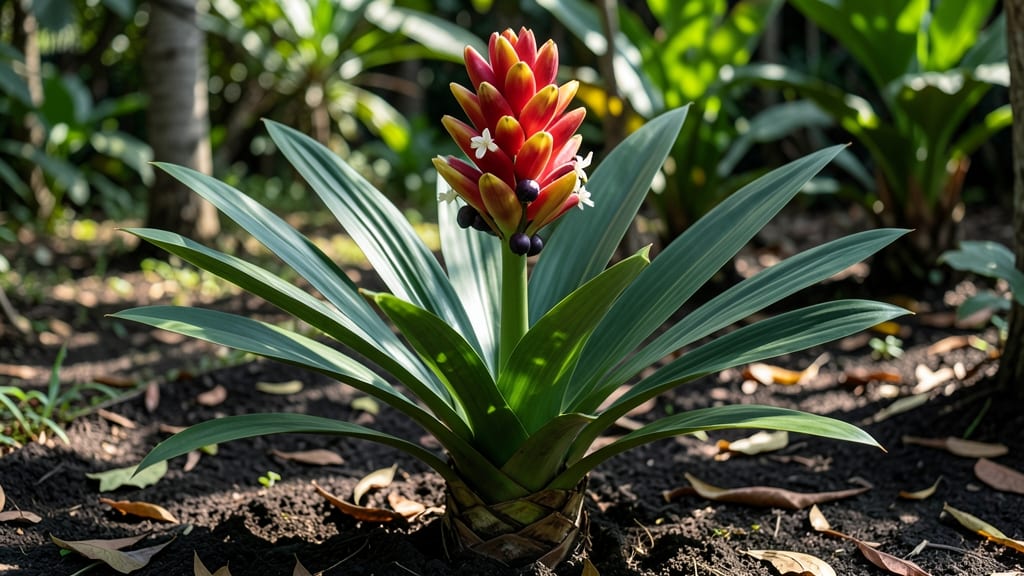
Growing Siam tulip ginger delivers fragrant purple blooms that turn containers into living perfume bottles. 🌿 I’ve watched this tropical stunner transform my patio from ordinary to extraordinary—its bold foliage and intoxicating scent make it the star of any shade garden.
This plant thrives in zones 9-11 but can be grown in containers year-round with proper care. The key lies in mimicking its native rainforest conditions: rich, well-draining soil, consistent moisture, and partial shade. Even in cooler climates, a sunny windowsill or greenhouse keeps it happy.
By summer’s end, you’ll be rewarded with spikes of lavender-purple blooms that attract hummingbirds and fill the air with a sweet, spicy fragrance. The rhizomes also multiply easily, giving you free plants for friends or your own garden expansion. Perfect for balconies, courtyards, or even as a striking houseplant.
Here’s how to coax those signature blooms from your container garden.
📚 In This Guide
- What you need
- Instructions
- Tips and common mistakes
- Wrapping up and next steps
What you need
- ● Siam tulip ginger rhizome: 1-2 healthy, firm rhizomes (3-5 inches long, with visible buds or "eyes").
- ● Well-draining potting mix: 5-7 gallons of a blend of 60% peat moss or coconut coir, 30% perlite or pumice, and 10% compost (avoid heavy garden soil).
- ● Container: 1 large pot (12-18 inches deep and wide) with drainage holes. Terracotta or fabric pots work best.
- ● Drainage layer: 1-2 inches of gravel, lava rock, or broken pottery for the pot’s base.
- ○ Slow-release fertilizer: 1 cup of balanced 10-10-10 or 14-14-14 fertilizer (optional but recommended).
- ● Gloves: Heavy-duty gardening gloves (to protect from sharp rhizome edges).
- ● Trowel or small shovel: For planting and adjusting soil.
- ● Watering can or hose with a gentle spray nozzle: For even moisture.
- ○ Mulch (optional): 1-2 inches of pine bark or straw to retain moisture and suppress weeds.
- ● Sunlight access: A spot with partial shade to bright indirect light (4-6 hours of morning sun is ideal).
- ● Patience: Tulip ginger thrives in warm climates (USDA Zones 9-11)—if you’re in a cooler zone, wait until spring or grow it as an annual.
Step-by-Step guide to growing Siam tulip ginger in containers
This tropical beauty thrives in pots with minimal fuss—here’s how to coax those stunning purple blooms.
🌱 Step 1: Select the Right Container and Soil Mix
Choose a container at least 12 inches deep and wide with drainage holes—Siam tulip ginger (Scapaeocharis siamensis) has thick rhizomes that need room to spread. I use unglazed terra cotta pots because they wick away excess moisture, preventing root rot. The mix should be well-draining yet moisture-retentive: blend 50% premium potting soil with 30% perlite and 20% orchid bark. This mimics its native tropical forest floor while preventing compaction.
Fill the pot to 2 inches below the rim, then tap gently to settle the mix. The goal is loose, airy soil—press too hard and you’ll suffocate those rhizomes. Add a thin layer of coarse sand at the bottom if your mix drains too slowly. Siam tulip ginger hates soggy feet, so drainage is non-negotiable.
🪴 Step 2: Plant the Rhizomes Correctly
Place the rhizome horizontally just below the soil surface—no deeper than 1 inch. The "eyes" (growth nodes) should face upward, as they’ll sprout leaves and eventually blooms. I space mine 6-8 inches apart in the pot, since they’ll expand over time. Cover lightly with soil, leaving the top third exposed to sunlight.
Water thoroughly until moisture seeps from the drainage holes, then let excess drain completely. The rhizome needs to stay slightly moist but never soggy—think of a wrung-out sponge. Overwatering now will trigger rot before the plant establishes. Place the pot in bright, indirect light (like a north or east window) for the first 2-3 weeks to prevent leaf scorch.
☀️ Step 3: Provide Ideal Light and Humidity
After initial rooting, move your Siam tulip ginger to bright, filtered light—it tolerates morning sun but will scorch in hot afternoon rays. A south-facing window with sheer curtains works perfectly. If indoors, supplement with a grow light for 12-14 hours daily, keeping it 6-12 inches away to avoid burning the leaves.
This plant craves humidity—aim for 60-70%. I place the pot on a pebble tray filled with water (ensure the pot sits above the waterline) or group it with other tropicals. Mist the leaves daily in dry climates, but avoid wetting the rhizome directly. You’ll know you’ve nailed the conditions when new leaves unfurl vibrant green and no yellowing appears within 4-6 weeks.
💧 Step 4: Water and Fertilize for Blooms
Water when the top 1-2 inches of soil feel dry—stick your finger in to check. Siam tulip ginger droughts slightly but won’t forgive consistent dryness. When watering, soak until water runs from the drainage holes, then empty the saucer to prevent root rot. In summer, I water every 3-4 days; in winter, every 7-10 days.
Feed monthly with a balanced liquid fertilizer (10-10-10) diluted to half-strength during active growth (spring-fall). Skip fertilizer in winter when growth slows. The key to blooms? Don’t overfeed—too much nitrogen = lush leaves, no flowers. Watch for purple-tinged buds forming on mature stems—this signals success. Blooms appear 12-18 months after planting, but patience pays off with fragrant, trumpet-shaped flowers in shades of lavender and white.
✂️ Step 5: Prune and Divide for Long-Term Health
After flowering, trim spent blooms to the nearest leaf node to encourage new growth. Yellow or damaged leaves should be snipped at the base with clean, sharp scissors. I also remove any moldy or mushy rhizome sections exposed during watering—prevention is easier than cure. If your pot becomes crowded (after 2-3 years), it’s time to divide.
Gently remove the rhizome, separate into sections with 3-4 growth nodes each, and repot in fresh mix. This rejuvenates the plant and gives you free propagation material. Siam tulip ginger is slow-growing, so don’t rush divisions—wait until you see multiple shoots emerging from a single rhizome. After repotting, reduce watering by half for 10 days to minimize stress. Your divided plants will reward you with vigorous new growth within 4-6 weeks.
Tips & tricks for thriving Siam tulip ginger in containers
These practical insights will help you avoid common pitfalls and maximize your tropical plant's potential.
Soil Mix Precision: When blending your 50% premium potting soil, 30% perlite, and 20% orchid bark, sift all components through a fine mesh screen first. This eliminates clumps that could create air pockets around the rhizomes. I learned this the hard way—uneven soil distribution led to dry spots that caused my first plant to struggle. The goal is a uniform texture that mimics the forest floor's natural porosity while preventing compaction.
Rhizome Placement Visual: For Step 2, imagine the rhizome as a clock face. Position the growth nodes (eyes) at the 12 o'clock position, then orient the rhizome so it slopes gently downward toward the 6 o'clock position. This subtle angle encourages both root development downward and shoot growth upward. The exposed top third should resemble a small hill—never a flat surface, which can trap moisture against the rhizome.
Light Transition Strategy: During the first 2-3 weeks in bright indirect light, rotate your pot ¼ turn daily. This prevents the plant from leaning toward one light source, which creates uneven growth. After establishing, maintain bright filtered light but supplement with a grow light for the full 12-14 hours daily—this mimics tropical daylight patterns and prevents the "leggy" growth that occurs with insufficient light exposure.
Humidity Hack: To maintain 60-70% humidity without constantly misting, place a small humidifier near your plant (not directly on it) and set it to run for 30 minutes before bedtime. The residual moisture in the air will last through the night, which is when most tropical plants need it most. I also group my Siam tulip ginger with a fern and calathea—their combined transpiration creates a microclimate that benefits all three plants.
Pro Tips for Siam Tulip Ginger
- These practical insights will help you avoid common pitfalls and maximize your tropical plant's potential.
- Soil Mix Precision: When blending your 50% premium potting soil, 30% perlite, and 20% orchid bark, sift all components through a fine mesh screen first.
- Rhizome Placement Visual: For Step 2, imagine the rhizome as a clock face.
Frequently asked questions
Got questions about growing Siam Tulip Ginger?
Here are some of the most common ones—plus quick, practical answers to help you nurture these stunning purple bloomers with confidence!
How long does it take for Siam Tulip Ginger to bloom?
Patience is key! Siam Tulip Ginger typically takes 12 to 18 months to produce its dramatic purple blooms from planting the rhizome. In warmer climates (zones 9-11), you might see flowers in the first year, while cooler regions may need an extra season. Pro tip: Keep the soil consistently moist but well-draining—this speeds up growth!
Can I grow Siam Tulip Ginger in containers?
This plant thrives in containers as long as the pot is at least 12 inches deep and wide with drainage holes. Use a light, airy potting mix (like a blend of peat, perlite, and compost) and place it in partial shade (morning sun, afternoon shade works best). Bonus: Containers make it easy to overwinter indoors in colder climates!
How do I protect Siam Tulip Ginger in winter?
Siam Tulip Ginger is not frost-tolerant, so if you’re in a colder zone (below 8), dig up the rhizome before the first frost. Trim back the foliage, let it dry slightly, then store it in a cool, dark place (like a garage) with minimal moisture. Replant in spring once temperatures warm up! Note: Mulch heavily if you’re trying to overwinter it in the ground.
Why isn’t my Siam Tulip Ginger flowering?
No blooms? Don’t worry—it’s often due to immature rhizomes or insufficient light. Ensure your plant gets bright, indirect light (at least 4-6 hours daily) and is 2+ years old. Overcrowded roots or poor drainage can also stunt flowering. Fix it: Divide clumps every 2-3 years and repot for better airflow!
What can I plant alongside Siam Tulip Ginger for a tropical look?
Pair it with shade-loving companions like Calathea, Bird of Paradise, or ferns for a lush, jungle-like vibe. Avoid aggressive spreaders (like mint) or plants needing full sun. Pro move: Add Hoya or Peperomia for contrasting textures and colors!
Wrapping up and next steps
Growing Siam tulip ginger in containers is a rewarding journey that brings vibrant purple blooms and tropical charm to your space. With the right soil, sunlight, and care, this striking plant thrives—even for beginners! Whether you're drawn to its fragrant flowers or lush foliage, your patience will be richly rewarded.
Ready to take the next step? Start with a healthy rhizome and let your green thumb shine—your balcony or patio will thank you! 🌿✨