
Planting
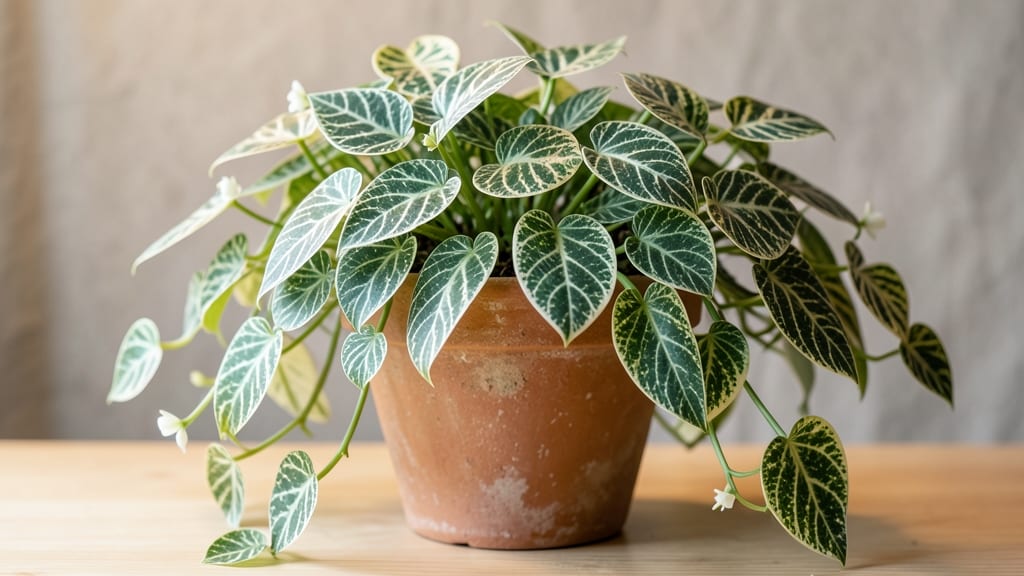
That striking small green-and-white leaf plant you’re eyeing? It’s likely a Hosta—the shade garden’s superstar. 🌿 I’ve grown them for years, and their cold-hardy resilience and lush leaves make them the perfect low-maintenance plant for shady spots.
Whether you’re growing them in pots or tucked into garden beds, their bold patterns brighten even the darkest corners.
The secret to their success is simple: moist, well-draining soil and partial to full shade. Overwatering is their biggest enemy—yellowing leaves are a red flag—but once established, they thrive with minimal fuss.
Hostas also spread over time, so give them space or plan to divide them every few years. Their variegation fades in too much sun, so location matters!
By summer, you’ll have a vibrant ground cover that repels pests naturally (slugs hate their texture!) and attracts butterflies. The key to keeping them looking their best is consistent moisture and occasional fertilizer in spring. Even beginners can’t go wrong with these shade-loving workhorses.
Works equally well in containers, borders, or woodland gardens—just match the variety to your climate. For example, ‘Blue Angel’ handles heat better than ‘Francee,’ which prefers cooler temps. Let’s get yours thriving!
Root Causes of Leaf Stress
Understanding why your small green-and-white variegated foliage might be struggling starts with identifying the hidden triggers behind its stress. These plants—often hardy perennials like Hosta or Astilbe—are resilient but still vulnerable to specific environmental and care-related factors.
Below, we break down the key culprits causing discoloration, wilting, or poor growth, along with the science behind them.
Cold-hardy perennials thrive in USDA Zones 3–8, but their tolerance has limits.
Sudden frost exposure or winter thaw cycles can shock roots and foliage, leading to: - Brown or mushy leaves (cell damage from ice crystals forming in tissues). - Stunted growth (metabolic slowdown due to cold stress). - Variegation fading (chlorophyll breakdown under extreme cold).
Why it happens: Plants like Hosta enter dormancy in winter, but rapid temperature shifts (e.g., daytime thaw followed by nighttime freeze) disrupt this process. Poor soil insulation (e.g., no mulch) exacerbates root freeze-thaw cycles, causing oxidative stress in cells.
Actionable fix:
- Mulch heavily (4–6 inches of shredded leaves or straw) before the first hard frost.
- Avoid late-season fertilizing, which encourages tender new growth vulnerable to cold.
- Group plants to create microclimates that retain warmth.
Variegated leaf plants often signal distress through yellowing edges or drooping, classic signs of overwatered roots.
While they prefer moist (not soggy) soil, excess water triggers: - Anaerobic conditions (roots starved of oxygen, leading to root rot caused by Pythium or Phytophthora). - Nutrient leaching (water-soluble minerals like nitrogen wash away, weakening foliage). - Fungal infections (e.g., Rhizoctonia, which thrives in wet, compacted soil).
Why it happens: These plants have shallow root systems that spread horizontally. Clay or poorly draining soil traps water, while overzealous watering (especially in shade) prevents evaporation. Variegated leaves (with less chlorophyll) are also less efficient at photosynthesis, making them more susceptible to stress when roots can’t supply enough energy.
Actionable fix:
- Test soil moisture by sticking your finger 1–2 inches deep—water only if dry.
- Amend soil with perlite or compost to improve drainage.
- Use saucers under pots (if container-grown) to catch excess water and prevent root rot.
Variegated leaves rely on a delicate balance of light—too little or too much disrupts their chlorophyll production, leading to:
- Pale or washed-out variegation (insufficient light weakens the plant’s ability to maintain white/gold patterns).
- Leaf curling or small size (etiolation—stretched, weak growth from low light).
- Sunburnt tips (if suddenly exposed to direct midday sun, causing crispy, brown edges).
Why it happens: Variegated foliage has fewer chlorophyll-rich cells (the white/gold parts lack chlorophyll), so they photosynthesize less efficiently than solid-green leaves. In deep shade, they struggle to produce enough energy, while intense sun damages their sensitive tissues.
Actionable fix:
- Ideal light: Partial shade (3–6 hours of dappled sunlight or morning sun).
- Avoid hot afternoons—use sheer fabric shade cloth (30–50% block) if in full sun.
- Rotate pots occasionally to ensure even light exposure.
Yellowing between veins (a classic magnesium deficiency) or purplish stems (phosphorus lack) often plague these perennials.
Soil pH also plays a role: - Acidic soil (pH <6.0) locks out iron and manganese, causing interveinal chlorosis (yellowing). - Alkaline soil (pH >7.0) reduces zinc and copper availability, leading to stunted growth. - Over-fertilizing with nitrogen (e.g., lawn clippings) burns roots and disrupts micronutrient ratios.
Why it happens: Variegated plants compete for nutrients—their unique leaf patterns require balanced NPK (nitrogen, phosphorus, potassium) and micronutrients like iron. Organic matter-depleted soil (common in shaded gardens) further limits nutrient uptake.
Actionable fix:
- Test soil pH (aim for 6.0–7.0; amend with lime for acidity or sulfur for alkalinity).
- Use slow-release fertilizer (e.g., 10-10-10) in early spring and avoid mid-summer feeding.
- Top-dress with compost annually to replenish organic matter.
Tiny aphids, slugs, or spider mites may be silently draining your plant’s vitality. Signs include:
- Sticky residue (honeydew) on leaves (aphids).
- Irregular holes or slime trails (slugs/snails).
- Fine webbing (spider mites) and speckled leaves.
Why it happens: Variegated leaves are attractive to pests because their sugary sap (from less efficient photosynthesis) is easier to access. Shaded, humid conditions (ideal for these plants) also favor fungal and insect infestations.
Actionable fix:
- Handpick slugs at night (use beer traps or copper barriers).
- Spray neem oil (diluted) for aphids/mites (reapply every 5–7 days).
- Encourage predators like ladybugs or ground beetles with native flowering plants.
If your small leaf plant is in a pot, root-bound conditions or poor drainage create a double whammy:
- Circling roots (from being root-bound) strangle themselves, reducing water/nutrient uptake.
- Saline buildup (from tap water or fertilizer salts) burns root tips, causing wilting or leaf scorch.
Why it happens: Container plants dry out faster and overheat in summer, while compacted potting mix prevents root expansion. Variegated leaves (with less chlorophyll) are more sensitive to heat stress in pots.
Actionable fix:
- Repot every 2–3 years into a slightly larger container with fresh potting mix.
- Use rainwater or distilled water to avoid salt buildup.
- Elevate pots off the ground to improve airflow and drainage.
Revive & Restore Your Leafy Companion
Got a struggling small green-and-white variegated plant? Don’t panic—most issues have simple fixes! Below, we’ve mapped common problems to step-by-step solutions, plus prevention tips to keep your plant thriving long-term. Let’s get it back to vibrant health!
Cause: Overwatering, underwatering, or poor drainage. Fix: 🔥 Drainage First – If soil feels soggy, repot into a container with drainage holes and a mix of potting soil + perlite (50/50). Avoid heavy clay soils. 🍳 Water Wisely – Stick your finger 1 inch into the soil. Water only if it’s dry. Variegated plants hate wet feet! 👨🍳 Adjust Frequency – In shade, water every 7–10 days; in bright indirect light, every 5–7 days. Group plants together to mimic humidity. ⏰ Prevention Tip: Use a self-watering pot or moisture meter to avoid guesswork. Mulch with orchid bark to retain moisture without rot.
Cause: Low humidity, harsh sunlight, or sudden temperature drops. Fix: 🌡️ Boost Humidity – Place a pebble tray with water under the pot or mist leaves daily (avoid soggy centers). 🔪 Trim Damaged Leaves – Use clean scissors to snip brown edges at a 45° angle. This prevents rot. 🎯 Adjust Light – Move to bright, indirect light (east or north-facing windows). If outdoors, dappled shade is ideal. ✨ Prevention Tip: Group plants together to create a micro-climate or use a humidifier near your garden nook.
Cause: Not enough light, leading to weak, elongated stems. Fix: 💡 Move Closer to Light – Place 6–12 inches from a window or supplement with a grow light (12–14 hours/day). 📊 Rotate Weekly – Turn the pot quarter-turns to ensure even growth. 🥗 Fertilize Lightly – Use a balanced liquid fertilizer (10-10-10) diluted to half-strength every 4–6 weeks in spring/summer. 💪 Prevention Tip: If indoors, avoid deep shade—variegated plants need some direct light to maintain their striking patterns.
Cause: Spider mites, aphids, or mealybugs (common in low-humidity environments). Fix: 🔥 Isolate First – Move the plant away from others to stop the spread. 🍳 Blast Off Pests – Spray leaves with neem oil solution (1 tsp neem oil + 1 tsp mild soap + 1 quart water) or rub alcohol on a cotton swab for stubborn bugs. 👨🍳 Wipe Down Leaves – Use a damp microfiber cloth to remove webs or residue. ⏰ Prevention Tip: Inspect new plants before bringing them home. Encourage beneficial insects (like ladybugs) by planting marigolds nearby.
Cause: Sudden temperature drops or windburn (if outdoors). Fix: 🏡 Bring Indoors Early – If frost is forecast, move pots to a sheltered porch or garage (50°F+). 🛡️ Mulch Heavily – Add 3–4 inches of straw or shredded leaves around the base to insulate roots. 🌿 Water Before Freeze – A deep watering helps roots withstand cold, but avoid soggy soil. ✨ Prevention Tip: Choose cold-hardy varieties (like Heuchera or Hosta) if your zone drops below 20°F. Windbreaks (like fences or shrubs) help too!
Even healthy plants benefit from a trim! Here’s how:
- Remove Yellow/Dead Leaves – Snip at the base to redirect energy.
- Pinch Back Leggy Stems – Cut 1/3 off the top to encourage bushier growth.
- Shape as Needed – Use sterilized scissors to maintain symmetry.
💡 Pro Tip: Save your clippings! Propagate in water—place stems in a jar with water, and roots will grow in 2–4 weeks!
Frequently asked questions
What are the most common small green-and-white variegated plants for beginners?
Start with Hosta (shade-loving perennials), Snake Plant (Sansevieria) (tolerates low light), or Pothos (Epipremnum) (fast-growing and forgiving). These thrive indoors and require minimal care while showcasing stunning patterns.
How do I tell if my plant needs more or less water?
Check soil moisture by sticking your finger 1 inch deep—if dry, water thoroughly. If soil stays soggy for days, reduce watering. Variegated plants wilt or develop yellow edges when overwatered, while crispy leaves signal underwatering.
Can I grow these plants in full sun?
Most variegated plants prefer partial shade (3–6 hours of morning sun). Full sun fades their patterns and risks leaf burn. For outdoor plants, use sheer shade cloth (30–50% block) during peak afternoon hours.
Why are my white leaf edges turning brown?
This usually means too much direct sun or low humidity. Move to indirect light and increase humidity with a pebble tray. Brown edges can also signal fluoride buildup from tap water—try distilled water instead.
How often should I fertilize variegated foliage plants?
Use a balanced liquid fertilizer (10-10-10) diluted to half-strength every 6–8 weeks during spring/summer. Reduce frequency in winter, and avoid fertilizing stressed plants. Over-fertilizing causes leaf burn!