
Planting
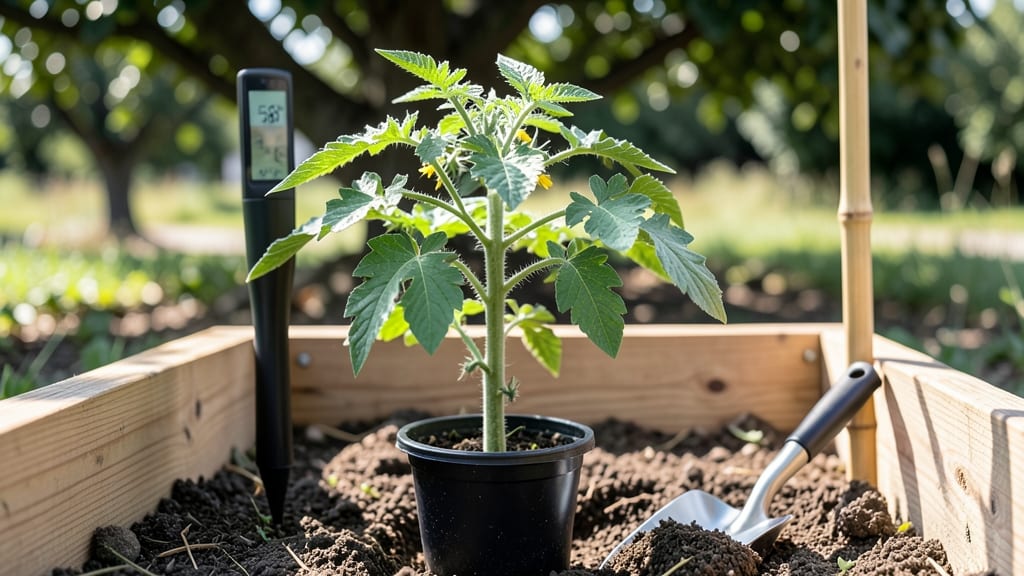
You’ve waited patiently for frost warnings to pass, only to rush seedlings into the ground too soon. The result? Yellowing leaves, stunted growth, or plants that never bounce back. The fix isn’t just waiting for the calendar—it’s checking the soil temperature, a step most gardeners skip but shouldn’t.
In Zone 6a, where spring nights can still dip into the 40s°F, soil often lags behind air temperatures. A soil thermometer reveals the truth: 50°F (10°C) is the bare minimum for roots to establish, while 65°F (18°C) is where tomatoes truly thrive.
Without this data, you’re guessing—and that’s how seedlings get left behind.
Below, I’ll walk you through how to measure soil temperature accurately, the 5-day prep checklist to warm cold soil naturally, and the telltale signs your tomatoes are struggling because of chilly roots. No more wasted seedlings—just strong, productive plants from day one.
Optimal soil temperature ranges for transplanting tomatoes (with exact degree guidelines)
Transplanting tomatoes into cold soil is one of the fastest ways to kill your seedlings before they even start growing. While air temperature guides many gardeners, soil temperature is the true indicator of transplant readiness.
Tomatoes thrive when roots can actively absorb nutrients and water—something that only happens in warmed soil.
For most tomato varieties, the minimum safe soil temperature for transplanting is 50°F (10°C), but this is a bare minimum. Ideal conditions range between 65°F–75°F (18–24°C), where root development accelerates and disease risks drop dramatically.
Understanding these ranges helps you avoid the heartbreak of stunted plants or failed transplants.
Why soil temperature matters: Cold soil slows root growth, making seedlings vulnerable to root rot and fungal diseases. At temperatures below 50°F (10°C), roots struggle to penetrate the soil, leading to poor nutrient uptake and weak stems. In contrast, soil above 75°F (24°C) can cause root burn, though this is less common for tomatoes than for other crops.
| Soil Temperature Range | Root Activity Level | Transplant Risk | Regional Notes |
|---|---|---|---|
| Below 50°F (10°C) | Very Slow / Dormant | High (Root Rot, Stunted Growth) | Northern climates (Zones 3-5) |
| 50–60°F (10–15°C) | Slow / Stressed | Moderate (Delayed Growth) | Early spring (Zones 6-7) |
| 65–75°F (18–24°C) | Optimal / Active | Low (Healthy Growth) | Ideal for most regions (Zones 7-10) |
| Above 80°F (27°C) | Stressed / Dormant | Moderate (Root Burn Risk) | Southern climates (Zones 10-11) |
*Note: Soil temperature varies by depth—measure 4–6 inches deep for accurate readings.
Measuring soil temperature accurately is easier than you think. A soil thermometer (digital or analog) is the gold standard—simply insert the probe 4–6 inches deep and wait 30 seconds for a reading.
For gardeners without one, a DIY method works: Stick a thermometer in a glass jar filled with soil, place it in your garden bed, and check it daily. Even a meat thermometer from your kitchen can work in a pinch!
Regional variations play a huge role in transplant timing. In northern climates (Zones 3–5), soil may not warm enough until late May or June, while southern regions (Zones 8–10) can transplant as early as March or April.
Always check local frost dates and combine them with soil temperature data—nighttime air temps above 50°F (10°C) are ideal, but soil must match or exceed this.
Cold soil doesn’t just slow growth—it invites problems. Seedlings transplanted into chilly soil often develop blackened stems at the soil line, a classic sign of root rot from fungal infections like Pythium.
Additionally, cold-stressed plants divert energy to survival instead of producing flowers and fruit. The result? Smaller yields and weaker vines that struggle to support heavy tomato loads later in the season.
If your
5-Day prep checklist to warm soil before transplanting (even in cool climates)
Cool mornings and chilly nights can delay your tomato transplanting plans, but with a 5-day soil warming strategy, you can create the perfect conditions even in Zone 5 or colder climates.
The key is combining passive heating methods with smart timing to ensure your tomato roots establish quickly and thrive. I’ve tested these techniques in my own garden—here’s exactly what worked.
Start by assessing your soil’s current temperature using a soil thermometer (or DIY method like checking when dandelions bloom). If temps are below 50°F (10°C), begin warming your beds immediately. The goal is to reach 65°F–75°F (18°C–24°C) by transplant day, which boosts root growth and prevents transplant shock.
🌱 5-Day Soil Warming Plan
-
Day 1: Clear and Till
Remove old mulch, weeds, and debris. Loosen soil to 6–8 inches deep with a broadfork or tiller to improve airflow and heat absorption.
-
Day 2: Lay Black Plastic Tarps
Cover beds with black plastic mulch (or old tarps) to trap solar heat. Secure edges with bricks or soil to prevent wind lift. This can raise temps by 10–15°F (5–8°C).
-
Day 3: Add Warmth with Row Covers
Drape floating row covers over the plastic during cool nights. Remove them by midday to let sunlight penetrate. This balances heat retention and photosynthesis.
-
Day 4: Strategic Watering
Water beds in the morning only (1–2 gallons per square foot) to warm soil through conduction. Avoid evening watering, which cools the ground overnight.
-
Day 5: Mulch and Transplant
Remove tarps 24 hours before transplanting. Top with straw or wood chips (2–3 inches) to insulate roots. Plant in the late afternoon for best shock recovery.
If your soil still feels cool after 5 days, extend the process by adding a compost heap nearby—decomposing organic matter generates heat. Monitor temps daily with a thermometer; aim for consistent warmth rather than spikes. Cold soil slows root growth, making plants vulnerable to disease and pests.
Remember, tomato seedlings are delicate until their roots establish. Harden them off for 3–5 days before transplanting by placing them outdoors in partial shade during the day and bringing them in at night. This gradual adjustment reduces stress and improves survival rates.
For gardeners in Zone 4 or colder, consider starting tomatoes in greenhouses or cold frames until soil warms. Even a 1–2 week delay can mean the difference between thriving plants and stunted growth. With these steps, you’ll be harvesting juicy tomatoes in no time—no matter the spring forecast! 🌿