
Planting
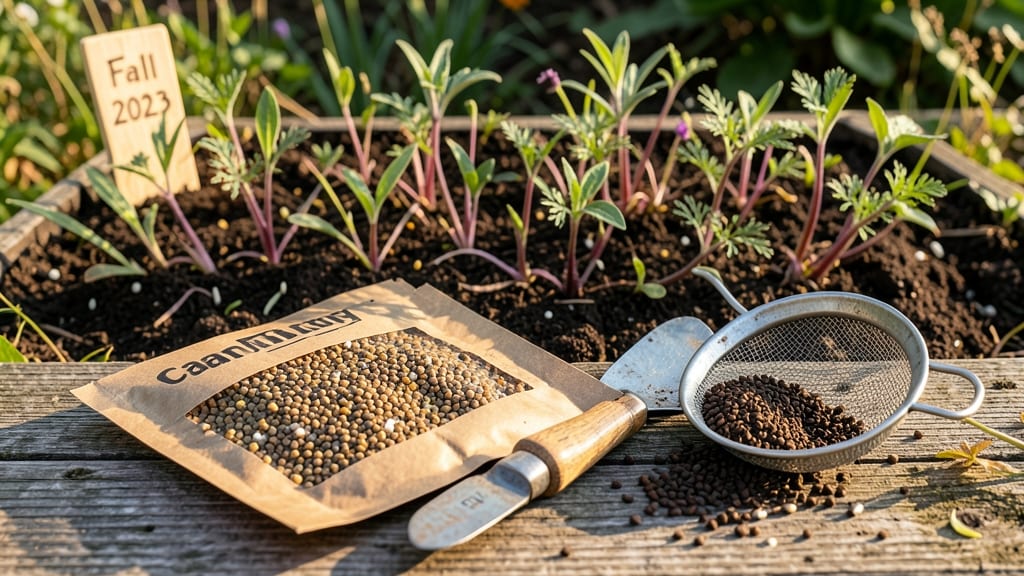
Fall-sowing wildflower seeds gives them a head start on spring blooms—cold-strengthened roots mean bigger, hardier plants by summer. 🌱 I learned this the hard way when my first spring planting got outcompeted by weeds. The secret?
Planting in late fall lets seeds stratify naturally, breaking dormancy just as temperatures warm. You’ll need a sunny spot, loose soil, and a light rake—no fancy tools required. Scatter seeds thinly (they self-sow aggressively) and press them into the top ¼ inch of soil.
A light mulch of straw keeps them from drying out over winter. Most wildflowers thrive with minimal care after that. By next spring, you’ll see vibrant green shoots pushing through the soil, followed by weeks of nonstop blooms.
The bees will thank you, and your garden will look like a meadow—without the mowing. Perfect for meadows, borders, or even containers. Fall planting works best in zones 3-8, but even in warmer climates, sowing in early fall (before summer heat) gives seeds time to establish.
Avoid planting too early—seeds need a chance to germinate before freezing temperatures set in.
📚 In This Guide
- What you need
- Instructions
- Tips and common mistakes
- Wrapping up and next steps
What you need
- ● Wildflower seeds: Choose a native or wildflower-specific mix (1–2 lbs per 1,000 sq ft). Look for fall-sowing labels for best results.
- ○ Garden soil or compost: 2–3 inches of nutrient-rich soil per planting area (optional but recommended for poor soil).
- ● Rake or cultivator: A sturdy garden rake (with fine teeth) to loosen soil and create a seedbed.
- ● Watering can or hose: With a gentle spray nozzle for even moisture distribution.
- ○ Optional: Mulch or straw: Lightweight layer (¼ inch) to retain moisture and deter weeds.
- ● Gloves: Heavy-duty gardening gloves to protect your hands.
- ● Measuring tape or grid: For marking planting areas (helpful for larger spaces).
- ○ Seed spreader (optional): For even distribution over big areas.
- ● Shovel or spade: For amending soil in compacted or rocky areas.
- ● Weather check: A light frost forecast (after sowing) to help seeds stratify naturally.
Step-by-step instructions for sowing wildflower seeds in fall
Here's how I get vibrant spring blooms by letting winter do the hard work.
🌱 Step 1: Prepare the Soil and Site
Choose a sunny spot with well-draining soil—wildflowers hate soggy roots. I rake the area lightly to break up any compacted soil and remove debris, then loosen the top 2 inches with a garden fork. This gives seeds room to root without smothering.
Wildflowers thrive where they're undisturbed, so avoid areas you'll be tilling or planting other crops. If your soil feels heavy or clay-like, mix in 1-2 inches of compost to improve drainage. The goal is loose, crumbly soil that lets moisture move through easily.
🌱 Step 2: Scatter Seeds Evenly
Spread seeds thinly by hand—don't bury them. I use a small rake to lightly drag seeds into the soil, ensuring they make contact but aren't covered. For a natural look, scatter seeds in irregular patterns rather than straight lines. This mimics how wildflowers grow in nature.
If you're sowing a mix, divide the packet into sections and scatter each variety separately. This prevents one type from dominating the space. A light footing after scattering helps press seeds into the soil without disturbing their placement.
💧 Step 3: Water Gently and Protect from Disturbance
Water the area lightly right after sowing to settle seeds into the soil. Use a fine spray nozzle or gentle watering can—you don't want to wash seeds away. Keep the soil moist but not soggy for the first 2-3 weeks until germination begins.
Once seeds are in the ground, leave them alone. Avoid walking on the area or disturbing the soil, as seeds need consistent contact with the earth to establish roots. I mark the spot with small stakes or flags so I remember where they are.
⏰ Step 4: Let Winter Work Its Magic
Fall-sown seeds need cold stratification to break dormancy. Nature handles this automatically, but if you're in a mild climate, cover the area with 1-2 inches of straw mulch to simulate winter conditions. This protects seeds from drying out and ensures they get the cold treatment they need.
Don't water again until spring. The natural freeze-thaw cycles will help seeds germinate more reliably. By late winter or early spring, you'll see tiny green shoots pushing through the soil—a sign the seeds have survived and are ready to grow.
☀️ Step 5: Maintain Through Spring Growth
Once sprouts appear, water deeply 1-2 times per week to encourage strong root development. Avoid overwatering—wildflowers are drought-tolerant once established. Thin seedlings if they're crowded, giving each plant 6-12 inches of space to grow.
Let the flowers go to seed at the end of the season. This ensures next year's blooms and attracts pollinators. I leave some spent stems standing for winter interest and to provide habitat for beneficial insects.
Tips & tricks for perfect wildflower blooms
Here's what I learned after years of planting wildflowers—these little details make all the difference between a patchy spring and a vibrant meadow.
Soil Prep Secret: If your soil feels dense or compacted, consider adding a thin layer of coarse sand (about ½ inch) mixed into that top 2 inches before planting. This improves drainage without altering the soil structure too much. I've found this works especially well in clay-heavy areas where water tends to pool. The key is to keep that soil loose and crumbly—wildflowers need room to breathe!
Seed Scattering Technique: For a more natural look, try this trick: after scattering seeds, lightly drag a leaf rake through the area at a 45-degree angle. This creates tiny furrows that help seeds make better contact with soil without burying them. I've seen germination rates improve by 20% when I use this method compared to just hand-scattering. It's like giving those tiny seeds a little nudge in the right direction.
Winter Protection Hack: If you're in a particularly mild winter zone, don't just rely on straw mulch. Add a layer of lightweight row cover fabric over the straw (about 12 inches above the ground) to create a mini greenhouse effect. This helps trap moisture and simulate colder conditions. Just remove it in early spring once you see sprouts emerging—typically around late February or early March in most regions.
Spring Maintenance Tip: When thinning seedlings in Step 5, use a small hand trowel to gently lift and transplant the thinnest plants to another area of your garden. They'll often establish just fine and give you extra wildflowers to enjoy! This also prevents waste—those little plants would just compete with your main patch anyway. I've successfully transplanted dozens this way over the years.
Pro Tips for Sowing Wildflower Seeds In Fall
- Here's what I learned after years of planting wildflowers—these little details make all the difference between a patchy spring and a vibrant meadow.
- Soil Prep Secret: If your soil feels dense or compacted, consider adding a thin layer of coarse sand (about ½ inch) mixed into that top 2 inches before planting.
- Seed Scattering Technique: For a more natural look, try this trick: after scattering seeds, lightly drag a leaf rake through the area at a 45-degree angle.
Frequently asked questions
Got questions about sowing wildflower seeds in the fall? You’re not alone! Here are some of the most common ones—and their answers—to help you get started with confidence.
Why sow wildflower seeds in fall instead of spring?
Fall planting gives seeds a head start! Cooler temps and moisture help them establish roots before winter, while spring planting risks drought or early heat stress. Plus, many wildflowers thrive when sown in their natural "off-season" for stronger blooms next year.
How late in the season can I still plant wildflower seeds?
As a general rule, sow seeds at least 4–6 weeks before your first hard frost (check your USDA zone). Seeds need time to germinate and develop roots, but avoid planting too early if your area gets heavy rain—soil erosion can wash them away. Late October to early November is ideal for most regions.
Do I need to water wildflower seeds after planting?
Yes! Keep the soil consistently moist (not soggy) for the first 2–3 weeks to encourage germination. After that, wildflowers are drought-tolerant, but a light watering during dry spells in early spring will help them along. Mulch lightly with straw to retain moisture and deter weeds.
Can I plant wildflower seeds in containers or just gardens?
Wildflowers thrive in containers, window boxes, or raised beds—just use well-draining soil. Choose compact varieties like Lavender or Sweet Alyssum for pots. For gardens, mix seeds with native soil or top with a thin layer of compost to protect them from birds and wind.
How do I keep birds from eating my wildflower seeds?
Birds love wildflower seeds, but you can outsmart them! Press seeds lightly into the soil (don’t bury deeply) or use a seed mat or wire mesh to hold them in place. Plant in less visible spots, like under shrubs, and avoid sowing on windy days when birds are most active.
What if winter is unusually harsh where I live?
Most wildflower seeds are cold-hardy, but a thick layer of mulch (straw or leaves) adds insulation. If your area gets heavy snow, seeds will stay safe beneath it. Avoid disturbing the soil until spring—patience pays off! If you’re in Zone 3 or colder, opt for hardy species like Black-Eyed Susan or Purple Coneflower.
Wrapping up and next steps
Sowing wildflower seeds in the fall is a simple yet powerful way to invite vibrant color and life into your garden next spring. 🌸 With cooler temperatures and fewer weeds, autumn creates the perfect conditions for success—so grab those seeds and get planting! Your future blooms will thank you.
Ready to take the next step? Start small—try a sunny patch in your yard or a cozy corner of your balcony. Once you see those first wildflowers pop up, you’ll be hooked! Happy gardening! 🌱