
Planting
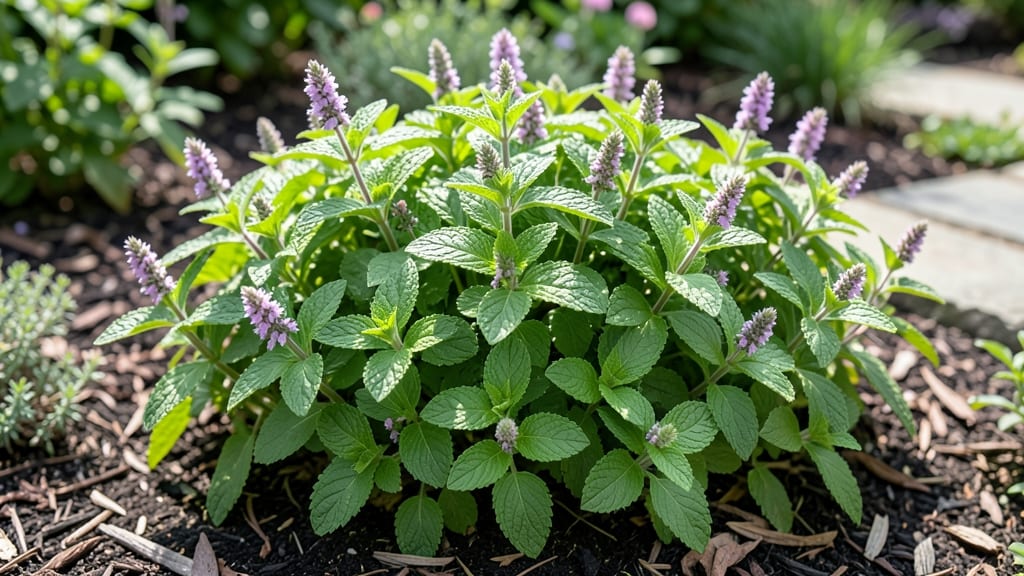
Browse through spearmint plant pictures to see how this fragrant herb transforms any garden into a sensory delight with its vibrant green foliage and striking upright growth. 🌿 That fresh, bright scent isn’t just for cooking—it’s a sensory upgrade that turns ordinary spaces into lush, inviting retreats.
Whether you’re designing a herb border or a container garden, spearmint’s ornamental charm makes it a standout in any setting.
The real magic happens when you pair it with complementary plants. Try tucking spearmint alongside lavender for a purple-and-green contrast, or mix it with thyme and rosemary for a Mediterranean-inspired herb garden.
Its visual appeal shines in both formal and wild garden styles—imagine it cascading over a pot’s edge or standing tall in a pollinator-friendly border.
You’ll love how spearmint thrives in partial shade, making it perfect for under trees or along fences. The leaves stay lush and aromatic even in heat, and the plant’s natural spread creates a fragrant carpet that invites you to linger.
Plus, it’s a pollinator magnet, drawing bees and butterflies with its delicate flowers.
For maximum impact, consider planting spearmint in clusters of three to create a bold visual statement. Whether you’re framing a patio, lining a walkway, or filling a decorative pot, this versatile herb turns any garden into a fragrant, functional masterpiece. Ready to see it in action?
📚 In This Guide
- What you need
- Instructions
- Tips and common mistakes
- Wrapping up and next steps
What you need
- ● Spearmint seeds or cuttings: Choose organic, non-GMO seeds (about 10–20 seeds or 3–5 cuttings per plant). For cuttings, use healthy stems (4–6 inches long).
- ○ Well-draining potting soil or garden soil: A mix with compost (60% soil, 30% compost, 10% perlite) works best. Optional: Add a slow-release fertilizer (5–10–10 NPK ratio).
- ● Containers or garden bed: Containers: 12-inch pots (1–2 per plant) with drainage holes.
- ● Garden bed: Full sun (6+ hours/day) or partial shade (4–6 hours). Ensure loose, fertile soil with a pH of 6.0–7.0.
- ● Watering can or hose with a gentle spray nozzle: Spearmint loves moisture but hates soggy roots.
- ○ Mulch (optional but recommended): Straw or shredded leaves to retain moisture and suppress weeds.
- ● Hand trowel or small shovel for transplanting.
- ● Garden gloves to protect your hands.
- ● Pruning shears for trimming and harvesting.
- ● pH testing kit to monitor soil acidity.
- ● Organic liquid fertilizer (fish emulsion or seaweed extract) for a mid-season boost.
How to capture stunning spearmint plant pictures
Here’s how I photograph spearmint at its peak—fresh, fragrant, and ready to showcase its vibrant green foliage.
☀️ Step 1: Choose the Perfect Time for Shooting
Morning light is your best friend for spearmint photography. Shoot between 8 AM and 10 AM when dew has dried but the sun hasn’t peaked. The light will be soft, casting gentle shadows that highlight the plant’s texture without washing out the color. Avoid midday—spearmint leaves will appear flat and dull under harsh sunlight.
Check the weather forecast for overcast days. Cloud cover diffuses light naturally, creating even illumination that makes spearmint’s glossy leaves pop. If you must shoot in direct sun, position the plant in partial shade to prevent glare on the foliage.
🌿 Step 2: Arrange the Plant for Visual Appeal
Spearmint thrives in clusters, so gently shape the plant into a loose, natural mound. Use your fingers to spread out the stems slightly—this creates depth in the photo and draws attention to the fresh, upright growth. Avoid over-manipulating; spearmint stems are delicate, and forcing them can cause damage.
Add a few stray leaves or small branches around the base to frame the plant naturally. This mimics how spearmint grows in the wild—spilling slightly over garden edges. For a more dramatic shot, include a rustic wooden spoon or mortar and pestle nearby to hint at its culinary uses.
📸 Step 3: Set Up Your Camera for Crisp Details
Use a macro lens (or your phone’s highest zoom) to capture the intricate details of spearmint’s serrated edges and velvety leaves. Focus on the center of the plant first, then reframe to include the full spread. Spearmint’s vibrant green color stands out best when the background is blurred—try a shallow depth of field (f/2.8 or lower) to isolate the plant.
Adjust your camera’s white balance to shade or cloudy mode to prevent the leaves from appearing overly yellow or washed out. If shooting with a phone, enable the “Live Photo” or “Portrait Mode” feature to add depth and sharpness. Test your settings on a single leaf first—if the edges appear pixelated, you’re too close.
✂️ Step 4: Edit for Vibrant, Natural Colors
Start by cropping to remove any distracting elements, like dry stems or weeds. Use editing software (or a free app like Snapseed) to boost the saturation slightly—just enough to make the green pop without looking artificial. Spearmint’s natural color is already striking, so avoid over-processing.
Add a subtle vignette to darken the edges of the photo, drawing the viewer’s eye to the center of the plant. This mimics the natural way light falls on spearmint in a garden setting. For a final touch, increase the sharpness by 10-15% to enhance the texture of the leaves without losing their softness.
🌱 Step 5: Capture Close-Ups for Texture and Fragrance
Get in close to photograph individual leaves, focusing on their serrated edges and glossy surfaces. A macro shot will reveal tiny water droplets or dew, adding a fresh, alive quality to your images. Use a reflector or white foam board to bounce light onto the undersides of the leaves—this highlights their delicate veins and adds dimension.
For a sensory touch, include a close-up of crushed leaves to hint at the plant’s signature minty aroma. The crushed foliage will appear slightly darker and more textured, creating visual interest. If you’re shooting outdoors, wait for a breezy day—the gentle movement of the leaves adds a dynamic, natural feel to your photos.
Tips & tricks for perfect spearmint photography
These subtle adjustments will transform your spearmint photos from good to absolutely stunning.
Lighting Mastery: If you miss the 8 AM to 10 AM window, try shooting during the golden hour just before sunset. The warm light enhances spearmint's natural green tones without the harshness of midday sun. For indoor shoots, position a bright lamp with a 5000K daylight bulb at a 45-degree angle to mimic natural light conditions. This creates the same soft shadows that highlight texture.
Composition Secret: In Step 2, when arranging your spearmint, create a subtle diagonal line by placing one stem slightly higher than the others. This natural leading line draws the viewer's eye through the image, making your composition more dynamic. For a more dramatic effect, include a single flower or bud among the leaves—spearmint's occasional blooms add unexpected visual interest without overpowering the foliage.
Camera Technique: When using a shallow depth of field (f/2.8 or lower) in Step 3, focus on the front third of the plant rather than the center. This creates a more natural bokeh effect and makes the background appear softer. For phone photographers, tap the screen to set focus, then swipe up or down to adjust exposure—this prevents washed-out leaves while maintaining detail.
Editing Pro Tip: In Step 4, after adding your vignette, use the selective color tool to enhance only the green hues. Increase the saturation by 10-15% while leaving other colors untouched. This preserves the natural look while making the spearmint's vibrant green truly pop. For a more organic feel, add a slight grain effect at 5% opacity to mimic film photography.
Pro Tips for Spearmint Plant Pictures
- These subtle adjustments will transform your spearmint photos from good to absolutely stunning.
- Lighting Mastery: If you miss the 8 AM to 10 AM window, try shooting during the golden hour just before sunset.
- Composition Secret: In Step 2, when arranging your spearmint, create a subtle diagonal line by placing one stem slightly higher than the others.
Frequently asked questions
Got questions about growing and enjoying spearmint plants?
Here are answers to the most common ones—so you can cultivate this fragrant beauty with confidence!
How fast does spearmint grow, and when will it bloom?
Spearmint grows fast—expect 1–2 feet of height in just 60–90 days! Blooms typically appear in mid-to-late summer (June–August in most U.S. zones), though warm climates may see earlier flowers. Pinch back stems early to encourage bushier growth and delay flowering if you prefer leafy harvests.
Why is my spearmint turning yellow, and how do I fix it?
Yellowing leaves often signal overwatering or poor drainage. Spearmint thrives in moist but well-draining soil—water only when the top inch feels dry. Check for pests (like aphids) or fungal issues (e.g., powdery mildew) if yellowing persists. Prune affected leaves and improve airflow around the plant.
Can I grow spearmint indoors, and what’s the best setup?
Yes! Place spearmint near a sunny window (6+ hours of light) or use a grow light. A 6-inch pot with drainage holes works well—use potting mix with perlite. Keep humidity moderate (mist occasionally) and rotate the pot weekly for even growth. Just avoid drafts, or it may bolt prematurely.
What’s the difference between spearmint and peppermint plants?
Spearmint has broader, smoother leaves and a sweeter, milder flavor (great for teas and desserts), while peppermint has narrower, serrated leaves and a sharper, cooler taste. Both are hardy perennials, but spearmint is less invasive and easier to grow in containers.
Does spearmint spread aggressively, and how do I control it?
Spearmint spreads via rhizomes, so it can overtake gardens if unchecked. To contain it:
- Plant in containers or raised beds.
- Divide roots every 2–3 years to share with friends.
- Mulch heavily to suppress runners.
Pro Tip:
Save seeds from your spearmint plant! The flowers produce tiny, light brown seeds—collect them in paper bags and store in a cool, dry place. This ensures you’ll always have your own heirloom variety for next season.
Wrapping up and next steps
Exploring spearmint plant pictures has shown you just how stunning—and easy to grow—this fragrant herb can be! Whether you’re dreaming of a lush garden or a fresh harvest for tea, spearmint brings both beauty and practicality to your space. 🌿✨
Now that you’re inspired, why not take the next step? Grab your gardening gloves, pick a sunny spot, and plant your spearmint today! Your future self (and your senses) will thank you.