
Planting
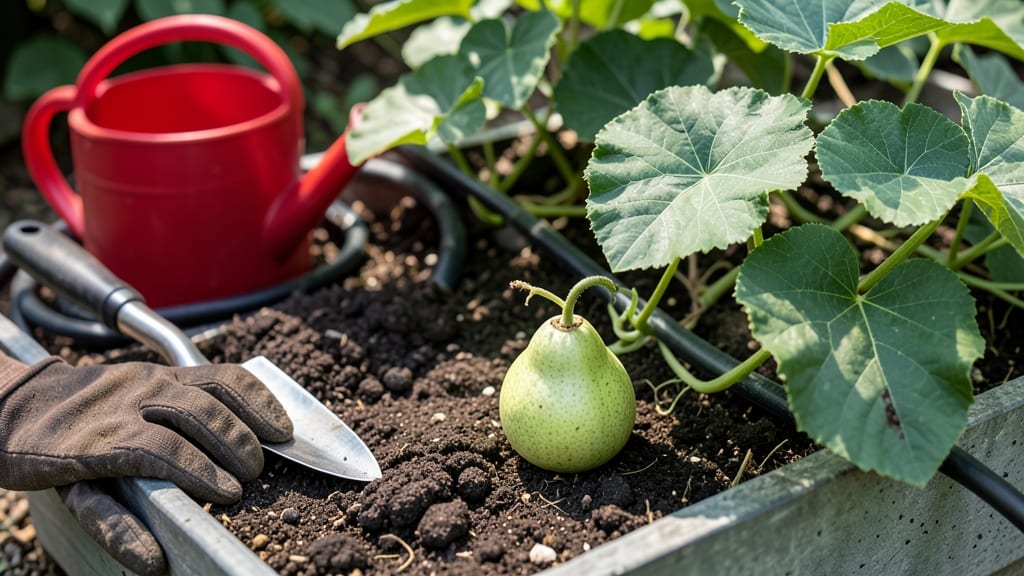
Planting chayote step by step is simpler than you’d think, even if you’ve never grown a tropical vine before—this versatile plant thrives with just a few key tricks.
Imagine harvesting fresh, crunchy chayote in just six weeks—this tropical vine is easier to grow than you think, even for beginners. With the right steps, you can transform a simple seed into a thriving plant yielding delicious, nutrient-packed produce straight from your garden.
Chayote 🍈 loves warmth and moisture, making it perfect for Zones 8-11, but with the right adjustments, you can grow it in cooler areas too. The secret? Well-draining soil, consistent watering, and a little patience—no fancy equipment needed.
In this guide, I’ll walk you through every stage, from sprouting seeds to harvesting your first crop, plus how to avoid the most common mistakes that trip up new growers.

How to sprout chayote seeds indoors before planting outdoors
Sprouting chayote seeds indoors gives them a head start and boosts your germination success rate to over 90%. This tropical vine thrives when started in controlled conditions, especially if you live in cooler climates or have a short growing season.
The key? Mimicking its natural, warm, and humid environment while avoiding common pitfalls like overwatering or poor soil drainage.
Chayote seeds (Sechium edule) are unique because they’re technically fruits, not true seeds. To sprout them, you’ll need a mix of warmth, moisture, and patience. Unlike many vegetables, chayotes don’t respond well to cold soil, so indoor sprouting is often the best approach for northern growers.
With the right setup, you’ll see sprouts in just 2-4 weeks, ready for transplanting outdoors.
Step-by-Step Guide to Sprouting Chayote Seeds Indoors
-
Step 1: Select Your Seeds
Choose firm, unblemished chayotes from the grocery store. Cut them open to find 1-3 seeds inside. Rinse seeds to remove pulp, then let them dry for 24 hours to prevent rot.
-
Step 2: Prepare the Soil Mix
Use a light, airy potting mix (50% peat moss, 30% perlite, 20% coco coir). Avoid garden soil—it’s too dense and can cause root rot. Sterilize the mix by baking it at 200°F for 30 minutes to kill pathogens.
-
Step 3: Plant the Seeds
Fill small pots (3-4 inches deep) with the mix, leaving ½ inch of space at the top. Plant seeds ½ inch deep, 2-3 per pot. Label pots with the planting date for tracking.
-
Step 4: Set Up Warmth and Humidity
Place pots in a warm location (75-85°F). Use a seedling heat mat if your home is cooler. Cover pots with plastic wrap or a humidity dome to retain moisture. Remove the cover daily for 5 minutes to prevent mold.
-
Step 5: Monitor Moisture and Light
Keep soil consistently moist (not soggy). Water from the bottom to avoid disturbing seeds. Once sprouts emerge (2-4 weeks), remove the cover and place pots under grow lights or a south-facing window for 12-14 hours of light daily.
-
Step 6: Harden Off Seedlings
When seedlings have 2-3 true leaves, start hardening them off. Move pots outdoors for 2-3 hours daily, gradually increasing time over 1 week. Ensure nighttime temps stay above 55°F to prevent shock.
-
Step 7: Transplant Outdoors
After hardening, transplant seedlings into the garden or larger containers. Choose a spot with well-draining soil and partial shade initially. Water deeply after planting to help roots establish.
One of the biggest mistakes beginners make is overwatering the seeds. Chayotes are sensitive to waterlogged soil, which can cause the seeds to rot before sprouting. Always check moisture by sticking your finger 1 inch deep—water only if it feels dry.
Another common error is using cold soil—chayotes need warmth to germinate, so avoid refrigerated soil mixes.
If your seeds haven’t sprouted after 4 weeks, they may need a warmth boost. Try placing pots in a paper towel-lined bag with an apple (which releases ethylene gas to stimulate germination).
Alternatively, soak seeds in lukewarm water for 24 hours before replanting. Patience is key—some seeds take longer, especially in cooler indoor conditions.
Once your chayote seedlings are ready for transplanting, choose a sunny, sheltered spot in your garden. These vines grow aggressively, so provide a trellis or sturdy support early on. Mulch around the base with straw or shredded leaves to retain moisture and suppress weeds.
With proper indoor sprouting, you’ll be harvesting crisp, fresh chayotes in just 6-8 weeks after transplanting.
Pro tip: Save a few extra sprouted seeds to replant if your first batch struggles. Chayotes are self-pollinating, so you can grow them year after year from saved seeds. Just ensure they’re fully ripe before harvesting to maintain quality.
🌱
Optimal planting conditions for chayote vines: soil, sunlight, and watering schedule
Chayote vines thrive in warm climates with the right balance of sunlight and moisture. Unlike frost-tolerant plants, chayotes demand consistent warmth and well-draining soil to prevent root rot.
Whether you're in a tropical Zone 10 or a cooler Zone 8, understanding these conditions ensures a bountiful harvest. Let's break down the essentials for planting success.
For soil composition, chayotes prefer loamy soil rich in organic matter with a pH between 6.0-7.0. Sandy loam works best for drainage, while clay-heavy soils should be amended with compost or perlite.
In containers, use a mix of potting soil and coconut coir to mimic ideal conditions. The key is avoiding waterlogged roots, which can stunt growth or invite fungal diseases.
| Condition | Tropical Climate (Zones 10-11) | Temperate Climate (Zones 8-9) |
|---|---|---|
| Sunlight | 6-8 hours direct sun; afternoon shade helps | 6 hours full sun; partial shade in peak summer |
| Soil Type | Loamy/sandy with 30% organic matter | Loamy/clay-amended with 20% compost |
| Watering Schedule | Daily deep watering (1.5 gallons) | Every 2-3 days (1 gallon); reduce in fall |
| Drought Tolerance | Low; wilts in 2 days without water | Moderate; survives 3 days dry in cooler months |
| Mulching | Straw mulch 2 inches thick to retain moisture | Wood chips 3 inches thick for insulation |
Sunlight is non-negotiable for chayotes, which need at least 6 hours of direct sun daily. In tropical climates, provide afternoon shade to prevent leaf scorch during peak heat (10 AM-3 PM). For temperate zones, a south-facing trellis maximizes sun exposure while keeping vines off the ground.
Without enough light, vines grow leggy and produce fewer fruits, so choose a spot with unobstructed sunlight.
Watering chayotes requires a consistent schedule—they hate drought but despise soggy roots. In tropical zones, water daily in the early morning (before 10 AM) to reduce evaporation. For temperate climates, deep water every 2-3 days, adjusting for rainfall.
A drip irrigation system works best to deliver water directly to the roots while keeping foliage dry. Overwatering leads to root rot, while underwatering causes fruit drop.
To boost drought tolerance, mulch heavily with straw or wood chips (2-3 inches thick) to lock in moisture. In hot climates, mulch also protects roots from temperature swings. For container-grown chayotes, use self-watering pots and check soil moisture daily—containers dry out 3x faster than ground soil.
With these adjustments, even first-time growers can keep chayote vines thriving through summer's heat.
Pro tip: Monitor your chayote's leaves—they’re your best indicator of watering needs. Wilted leaves mean it’s time to water, while yellowing edges signal overwatering. Adjust your schedule based on these cues, and your vines will reward you with crisp, homegrown chayotes in no time. 🌱