
Planting
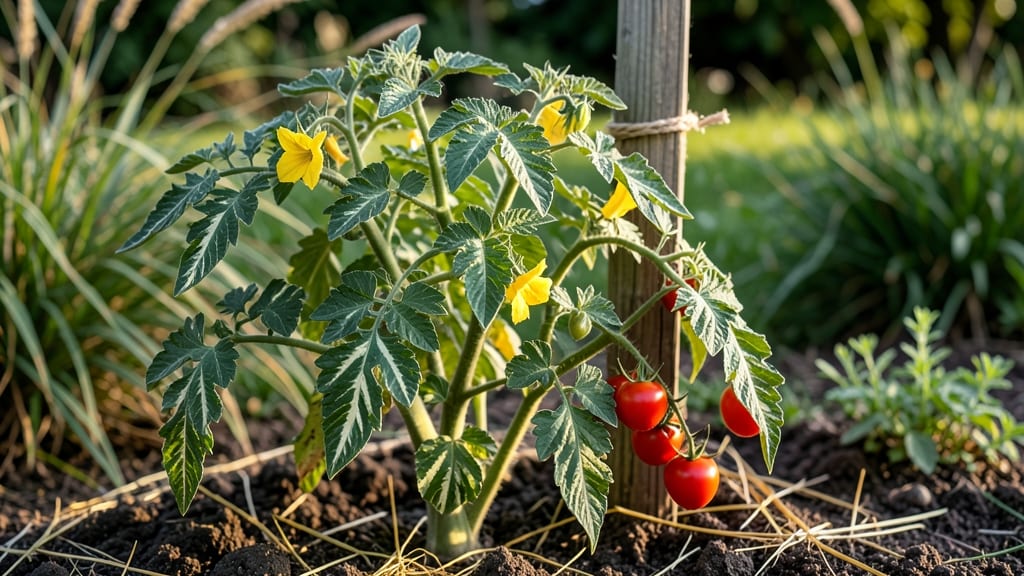
The striped tomato plant isn’t just pretty—it’s a game-changer for garden drama. 🌱 I fell in love with their bold, zebra-striped fruits after growing 'Tigerella' last summer, and now I can’t imagine a garden without them.
These aren’t your grandma’s tomatoes; they’re heirlooms with personality, perfect for containers or raised beds where their unique stripes steal the show.
The secret to their success? They thrive in the same sunny spots as regular tomatoes but need slightly richer soil to support their vigorous growth. Plant them in well-draining mix with compost, and give them 6-8 hours of sunlight daily.
Water consistently—these plants drink deeply but hate soggy roots. The striped varieties like 'Striped Roman' produce fewer fruits than beefsteaks, but each one is a conversation starter with its striking patterns.
By midsummer, you’ll be harvesting tomatoes that look like edible art. The flavor? Surprisingly balanced—sweet with a tangy kick. Prune regularly to encourage airflow (which prevents disease), and watch as your plants burst with vibrant green-and-purple foliage and those iconic striped fruits.
They’re slower to ripen than standard varieties, so plan to extend your season with row covers if needed.
Container gardeners, rejoice—striped tomatoes adapt beautifully to pots as long as they’re at least 5 gallons. Their compact growth makes them ideal for small spaces, and the visual contrast of striped fruits against green leaves turns even a tiny balcony into a showstopper.
Just be patient; their unique beauty is worth the extra care.
Root Causes Of Variegated Striped Tomatoes
Those stunning striped tomato plants with their bold, variegated leaves aren’t just a natural quirk—they’re the result of a fascinating mix of genetics, environmental stress, and sometimes even human intervention.
While some varieties are bred for this striking pattern, others develop it as a survival tactic or due to growing conditions. Let’s break down the key reasons why you might see those eye-catching stripes on your tomato foliage.
Some tomato plants are naturally striped due to a genetic mutation called chlorophyll variegation. This occurs when certain cells in the leaves produce less chlorophyll (the green pigment responsible for photosynthesis).
Instead of uniform green, you get patches or stripes of yellow, cream, or even white—often framed by darker green edges.
💡 Pro Tip: If you’re growing a variegated heirloom variety like ‘Thai Pink Egg’ or ‘Indigo Rose,’ those stripes are intentional and part of the plant’s breeding. These tomatoes often produce fruit, but the variegation can reduce vigor since less chlorophyll means less energy production.
Tomatoes are sensitive to temperature swings, and extreme heat or cold can trigger stress-induced variegation. When roots struggle to absorb water or nutrients due to soil temperature extremes (too hot or too cold), the plant may develop yellow or white stripes as a survival response.
🔥 Why It Happens:
- Cold Stress: Nighttime temps below 50°F (10°C) can disrupt chlorophyll production, leading to pale stripes.
- Heat Stress: Soil temps above 90°F (32°C) can scramble nutrient uptake, causing uneven pigmentation.
- Transplant Shock: Moving plants too early or too late in the season can also prompt temporary striping.
🌡️ Fix It: Use mulch to regulate soil temps, choose heat-tolerant varieties, and avoid planting until the soil is consistently warm.
Water stress—whether from drought or overwatering—can cause tomato leaves to develop irregular stripes. When roots can’t deliver consistent moisture, the plant may sacrifice some leaf cells to prioritize survival, leading to white or yellow patches.
💧 How It Shows Up:
- Underwatering: Leaves may show dry, crispy stripes along the edges or between veins.
- Overwatering: Poor drainage leads to root rot, which can cause mottled, striped discoloration as the plant struggles to photosynthesize.
- Inconsistent Watering: Random stripes appear when the plant is thirsty one day and soggy the next.
🎯 Solution: Water deeply 1-2 times per week (depending on climate) and ensure pots/containers have drainage holes.
Tomatoes are heavy feeders, and nutrient deficiencies or excesses can lead to striped leaves. The most common culprits?
| Nutrient Issue | How It Causes Stripes | Fix It |
|---|---|---|
| ❄️ Nitrogen Deficiency | Leaves develop pale yellow stripes between veins as the plant can’t produce enough chlorophyll. | Apply a balanced fertilizer (10-10-10) or compost. |
| 🔥 Magnesium Deficiency | Yellow stripes appear on older leaves first (a classic sign of chlorosis). | Use Epsom salt (1 tbsp per gallon of water) every 2 weeks. |
| 💥 Excess Salt (Over-Fertilizing) | White or brown crusty stripes on leaf edges due to osmotic stress. | Flush soil with water to leach out salts; reduce fertilizer. |
Not all stripes are harmless! Some patterns are red flags for plant diseases that can weaken or kill your tomato.
- Tobacco Mosaic Virus (TMV): Causes irregular yellow or white stripes along with stunted growth. Spreads via contaminated tools or aphids.
- Leaf Mold (Fungal): Yellow stripes with white powdery patches on undersides of leaves. Thrives in humid conditions.
- Bacterial Spot: Tiny water-soaked stripes that turn brown and crusty.
🔪 Act Fast: Remove infected leaves immediately, sterilize pruners with rubbing alcohol, and avoid overhead watering.
Whether your striped tomato is a designer variety, a stress response, or a disease warning, understanding the cause helps you decide whether to embrace the beauty or take corrective action. Next up: How to Keep Them Thriving!
Reviving Your Variegated Tomatoes
When your striped tomato plants start showing signs of distress—whether it’s yellowing leaves, stunted growth, or unexpected pests—don’t panic! With the right approach, you can nurse them back to health and even prevent future issues.
Below are practical, step-by-step solutions tailored to common problems, along with prevention tips to keep your plants thriving.
If your striped tomato’s leaves are turning pale or yellow (especially between veins), it’s likely a magnesium or nitrogen deficiency. Here’s how to fix it:
🔥 Step 1: Diagnose the Deficiency
- Lower leaves yellowing? → Likely magnesium deficiency (common in container-grown plants).
- New leaves pale or stunted? → Could be nitrogen deficiency (essential for leafy growth).
🍳 Step 2: Apply the Right Fertilizer
- For magnesium: Mix 1 tablespoon of Epsom salt (magnesium sulfate) in a gallon of water.
Spray or water the soil at the base once every 2 weeks until leaves green up. - For nitrogen: Use a balanced fertilizer (10-10-10 or 5-5-5) or compost tea. Apply every 2–3 weeks during the growing season.
🌡️ Prevention Tips
✔ Test your soil (pH 6.0–6.8 is ideal for tomatoes). ✔ Mulch heavily to retain moisture and nutrients. ✔ Rotate crops—don’t plant tomatoes in the same spot yearly.
Striped tomato plants can attract pests like aphids, spider mites, or whiteflies, which suck sap and weaken the plant. Act fast with these organic solutions:
👨🍳 Step 1: Inspect & Isolate
- Check undersides of leaves for tiny bugs or webbing.
- Isolate affected plants to prevent spread.
🥘 Step 2: Blast Them Off
- Spray with water (forceful stream from a hose) to dislodge pests.
- Neem oil spray (1 tsp neem oil + 1 tsp mild soap + 1 quart water) – apply at dusk to avoid harming bees.
🔪 Step 3: Use Beneficial Insects
- Release ladybugs or lacewings (natural predators of aphids).
- Sticky traps (yellow cards) can catch whiteflies.
✨ Prevention Tips
✔ Encourage biodiversity—plant basil, marigolds, or dill nearby to repel pests. ✔ Prune regularly to improve airflow and reduce hiding spots. ✔ Avoid over-fertilizing with nitrogen—it attracts soft-bodied pests.
Tomatoes hate soggy roots but also struggle in drought. Here’s how to tell—and fix—both issues:
| Problem | Signs | Solution |
|---|---|---|
| Overwatering | Yellowing leaves, mushy stems, fungal growth | Stop watering immediately. Let soil dry 1–2 inches deep before watering again. Improve drainage with perlite or sand. |
| Underwatering | Drooping leaves, dry soil, crispy edges | Water deeply 1–2 times per week (more in heat). Use drip irrigation to keep roots consistently moist. |
🎯 Prevention Tips
✔ Use well-draining soil (mix in compost + perlite). ✔ Water at the base (avoid wetting leaves to prevent disease). ✔ Mulch with straw to retain moisture without waterlogging.
If your striped tomato’s leaves look bleached, crispy, or sun-scorched, it’s getting too much direct sun (especially in hot climates).
🔥 Step 1: Provide Shade Cloth
- Use 30–50% shade cloth during peak afternoon sun (12 PM–4 PM).
- Drip irrigation can also cool leaves slightly.
🌡️ Step 2: Adjust Watering
- Water deeply in the morning to help roots absorb moisture before heat stress kicks in.
- Mulch heavily (2–3 inches) to keep roots cool.
💡 Prevention Tips
✔ Choose heat-tolerant varieties (e.g., ‘Solar Fire’ or ‘Heatmaster’). ✔ Grow in containers for easier mobility if moving plants becomes necessary. ✔ Avoid fertilizing in extreme heat—it can burn roots.
💡 Prune strategically – Remove suckers (side shoots) to focus energy on fruit production. 💡 Rotate containers – If growing in pots, turn them occasionally for even sun exposure. 💡 Harvest regularly – Picking ripe tomatoes encourages more production and reduces stress.
With these fixes, your striped tomato plants will bounce back stronger—and you’ll be rewarded with bold, beautiful fruits all season long! 🍅✨
Frequently asked questions
What are the most popular striped tomato varieties?
'Tigerella' is the classic striped heirloom with bold green-and-yellow stripes, while 'Striped Roman' offers elegant zebra-patterned fruits. Other standouts include 'Thai Pink Egg' (pink-striped) and 'Indigo Rose' (purple-veined with striped leaves). These varieties thrive in containers or garden beds and produce fewer but visually stunning tomatoes.
Can I grow striped tomatoes in containers?
Striped tomato varieties adapt beautifully to containers as long as they're at least 5 gallons in size. Use well-draining potting mix with compost, and place pots in full sun (6-8 hours daily). Container-grown striped tomatoes may need slightly more frequent watering since pots dry out faster than garden soil.
Why do my striped tomato leaves turn yellow?
Yellow leaves on striped tomatoes usually indicate nutrient deficiencies (like magnesium or nitrogen) or overwatering. For magnesium issues, use Epsom salt (1 tbsp/gallon of water) every 2 weeks. If overwatered, let the soil dry 1-2 inches deep before watering again. Yellowing can also signal disease—check for pests or fungal spots on undersides of leaves.
Do striped tomatoes taste different from regular tomatoes?
Striped tomato varieties like 'Tigerella' have a balanced flavor profile—slightly sweeter with a tangy kick. The stripes don't affect taste significantly, though some heirlooms may have more complex flavors. The visual appeal often makes them worth growing, even if yields are smaller than standard varieties. Always harvest when fully colored for best flavor!
How do I prevent diseases in striped tomato plants?
Focus on airflow and hygiene: Prune regularly to improve circulation, remove infected leaves immediately, and sterilize pruners with rubbing alcohol. Avoid overhead watering (water at the base instead) and use drip irrigation. Mulch with straw to reduce soil-borne diseases, and consider resistant varieties like 'Heatmaster' if your climate is humid.