
Planting
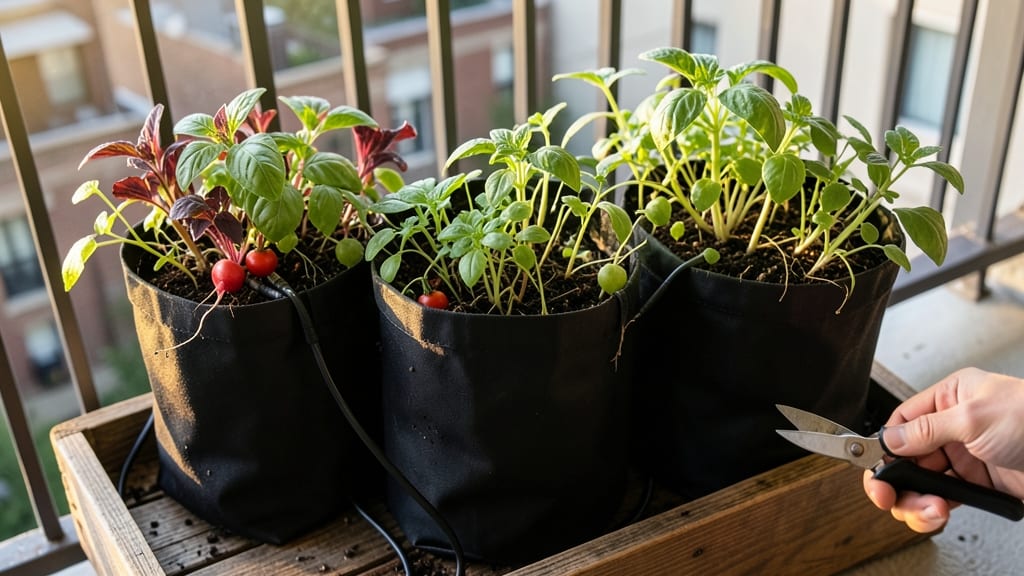
Zone 6 gardeners face unique challenges with shorter growing seasons and varied frost dates. These 10 month-by-month succession planting charts maximize your harvest by showing exactly when to sow, transplant, and harvest 25+ crops for continuous yields.
Early Spring Cold-Hardy Vegetables Planting Schedule
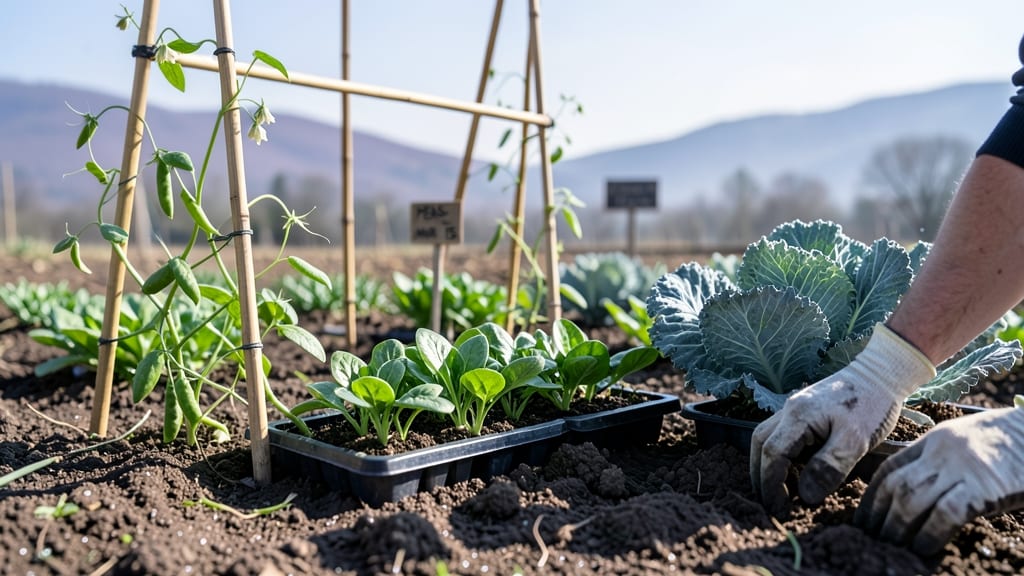
Beat the summer heat by planting frost-tolerant vegetables like peas, spinach, and kale as soon as your soil is workable—usually in March or early April in Zone 6. These cold-hardy crops thrive in cooler temperatures and give you an early harvest before the heat of July arrives.
Start with peas (sow directly into the soil) and spinach (thin seedlings to 2-3 inches apart) when soil reaches 40°F. Kale can handle light frosts and should be planted in well-draining soil with full sun to partial shade. For best results, use row covers if late frosts threaten—this extends the growing season by 2-3 weeks.
This schedule is perfect for beginners or gardeners with limited space, as these crops grow quickly and don’t require much maintenance. You’ll enjoy fresh greens and pods long before summer heat sets in! 🌱
Warm Season Starter Crops Timing Guide
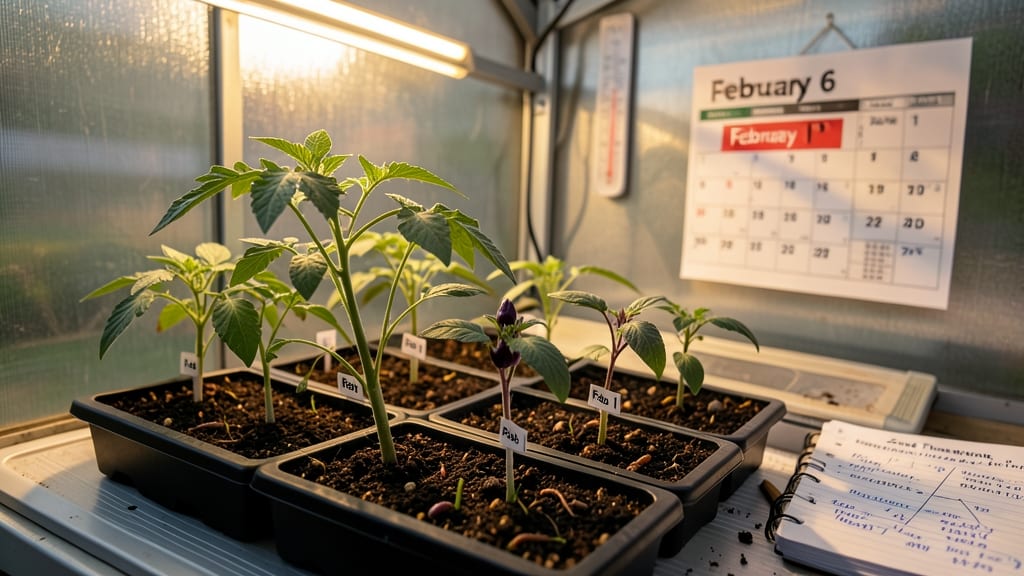
Zone 6 gardeners know that tomatoes, peppers, and eggplants need a head start—but timing is everything. Start these heat-loving crops indoors by February 1st to avoid transplant shock when moving them outside after last frost (May 15). This early start ensures they’re strong enough to handle your region’s shorter growing season.
Use grow lights to provide 14-16 hours of light daily until seedlings are 2-3 inches tall. Harden them off for 7-10 days before transplanting, and choose cloudy days to reduce stress. Space plants 18-24 inches apart to allow airflow, which prevents disease and encourages fruit production.
This timing strategy gives you a two-month jump on the season, ensuring your warm-season favorites thrive instead of struggling. Perfect for beginners or anyone looking to maximize their harvest in cooler climates! 🌱
Mid-Summer Succession Planting for Fast-Growing Crops
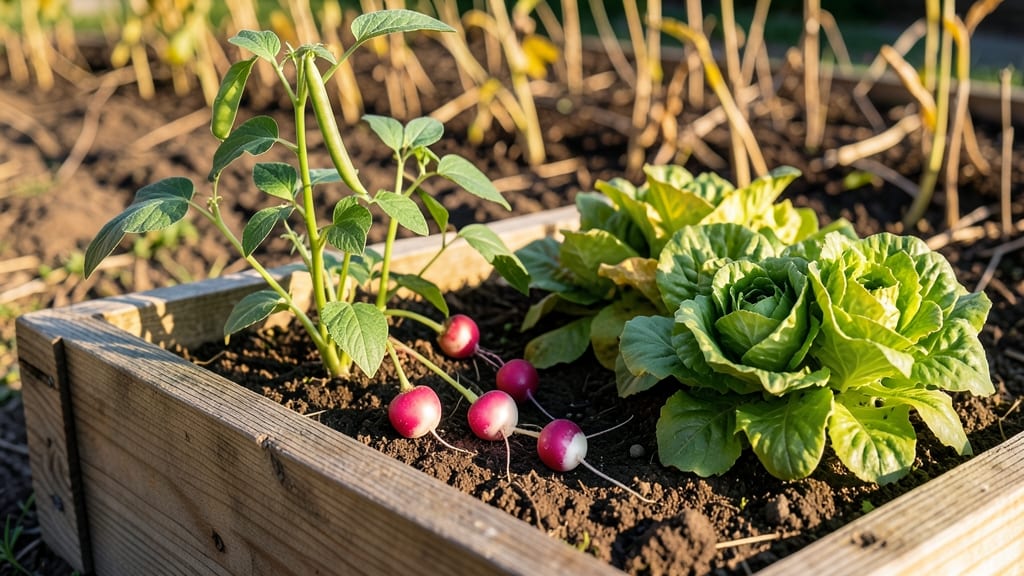
That mid-summer slump when your garden looks bare and your fridge lacks fresh produce? You can skip the grocery store run entirely by planting heat-loving bush beans, radishes, and lettuce in July and August. These fast-growing crops thrive in the dog days of summer and deliver harvests just in time for fall flavors.
Start sowing bush beans and radishes every 2-3 weeks from mid-July through early August for continuous harvests. Both mature in just 30-50 days, making them perfect for filling the July gap. For lettuce, opt for heat-tolerant varieties like 'Black Seeded Simpson' or 'Jericho'—plant them in partial shade and keep soil moist to prevent bolting. These crops will keep producing until your first frost, ensuring fresh greens on your table.
This strategy is ideal for gardeners with limited space or those who want to extend their harvest season without complicated rotations. With just a few weeks of attention, you'll enjoy homegrown produce well into autumn. 🌱
Fall Broccoli and Cabbage Rotation Plan
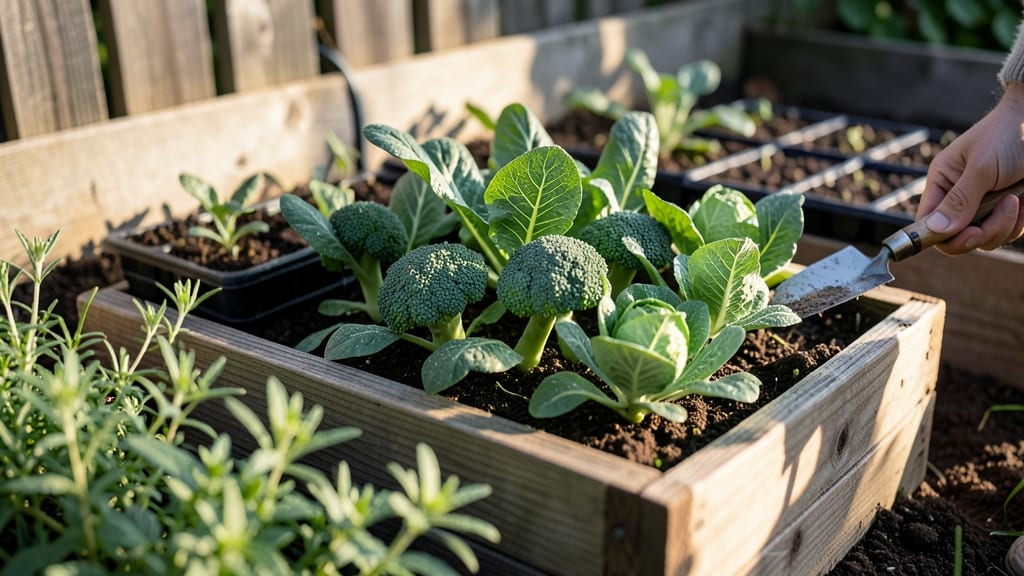
Want to extend your harvest season in Zone 6 without risking frost damage? Broccoli and cabbage are your secret weapons—they thrive in cooler weather and deliver hearty harvests when planted at the right time. The key is starting seeds indoors in early August for transplanting by late August, ensuring mature heads before the first hard frost.
These cool-season brassicas need 75-90 days to reach harvest, so timing is everything. Plant purple sprouting cabbage and broccoli raab varieties for extra cold tolerance, and space them 18-24 inches apart to prevent disease. A light mulch of straw will protect roots from temperature swings and keep soil moist.
This rotation plan works perfectly for gardeners who want to fill the late-summer gap after warm-season crops like tomatoes and peppers have finished. Plus, the leftover space can be used for cover crops to prepare for next year. 🌱
Herb Succession Planting Calendar for Year-Round Use
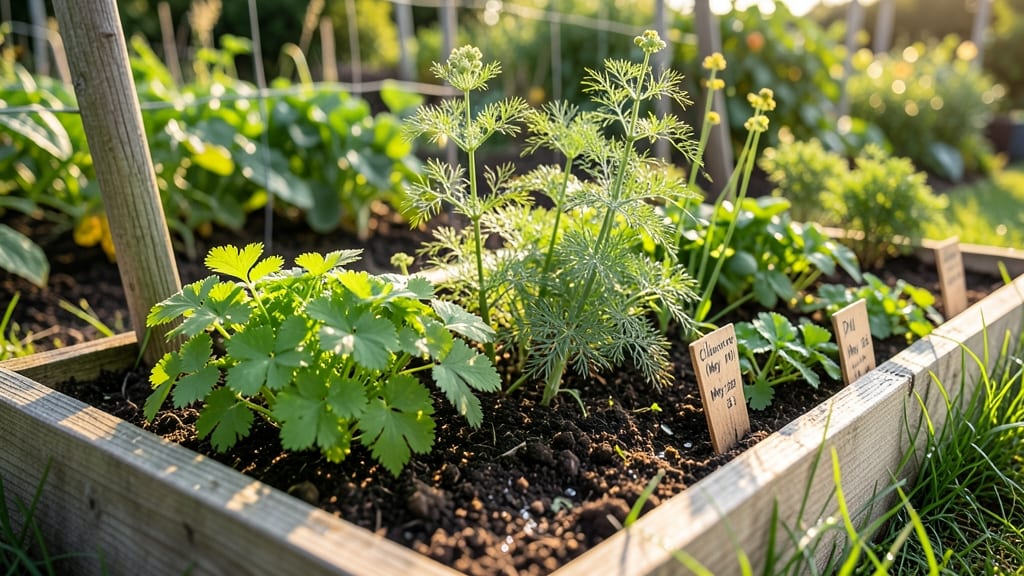
Tired of cilantro bolting before you can use it or dill fading into memory by midsummer? A staggered herb planting schedule keeps your kitchen stocked with fresh cilantro, dill, and parsley all season long—without the guesswork. This isn’t just about planting once and hoping for the best; it’s about strategic timing to match each herb’s growth cycle with your needs.
Start cilantro every 3-4 weeks from April through July—it self-seeds easily, so let some plants go to flower for next year’s crop. Dill thrives with monthly replanting in May and June; its feathery leaves attract pollinators while you harvest. Parsley, the slow grower, gets planted in April and again in August for a late-season boost. All three prefer partial shade in Zone 6’s peak summer heat, and a light mulch keeps them moist without overwatering.
This system is perfect for urban gardeners with containers or small spaces—just rotate plants every few weeks to avoid crowding. You’ll never run out of fresh herbs again, and the year-round supply makes homegrown seasoning effortless. 🌿
Green Manure Cover Crop Rotation Schedule
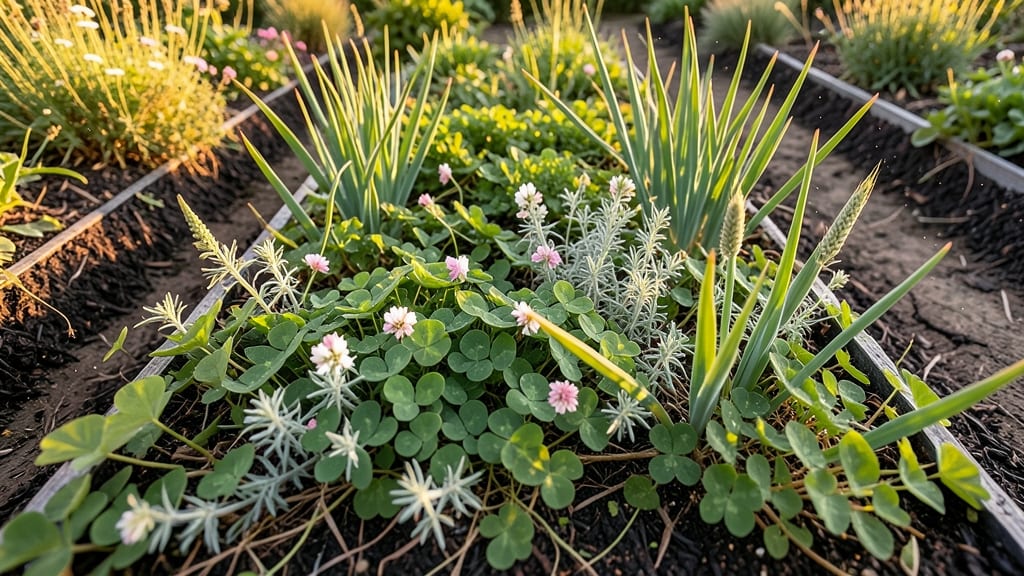
If your Zone 6 garden feels tired after summer harvests, green manure cover crops are your secret weapon for restoring soil vitality without the work of tilling. These living plants—like clover, vetch, or winter rye—act as natural fertilizers, preventing erosion while adding organic matter and nitrogen to your beds.
For best results, sow red clover or winter rye in late September to early October, letting them grow until spring before tilling under. Vetch thrives in cooler fall temperatures and can be planted slightly later (October). These crops protect your soil through winter, suppress weeds, and create ideal conditions for next year’s vegetables—especially heavy feeders like tomatoes and corn.
This low-maintenance strategy is perfect for small-scale gardeners and urban plot holders who want healthier soil without synthetic amendments. Just plant, let nature work its magic, and enjoy bigger harvests next season. 🌱
Root Vegetable Succession Planting for Continuous Harvest
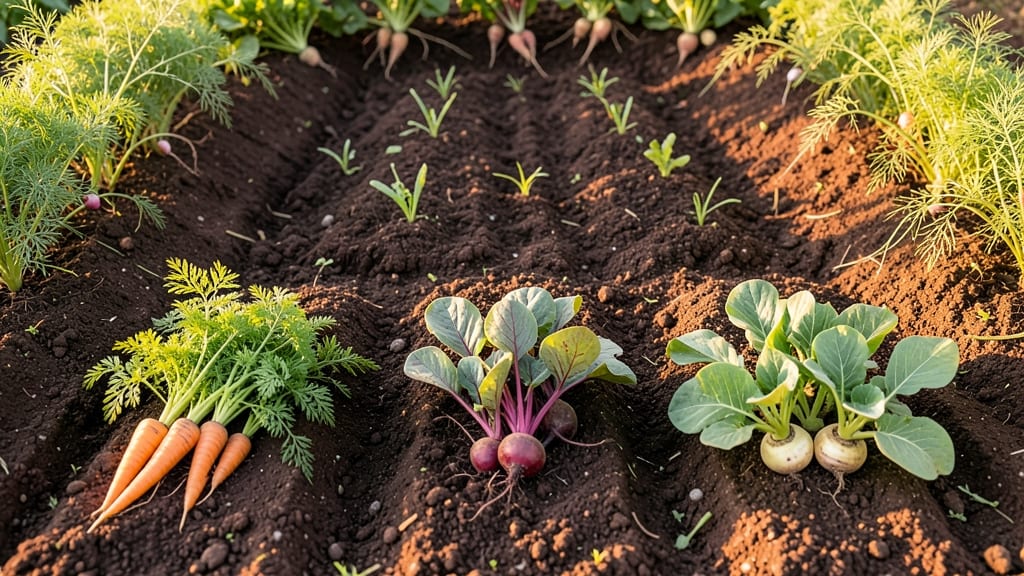
Tired of root vegetables like carrots, beets, and turnips bolting or crowding your garden? The secret to a steady summer harvest lies in staggered sowing—planting small batches every 2-3 weeks from April through July. This simple strategy ensures you’ll always have fresh roots to pull while preventing overcrowding that stunts growth.
Start with carrots in loose, stone-free soil (they hate rocks!), followed by beets and turnips in well-drained beds. Thin seedlings to 2-3 inches apart when they’re 2 inches tall—this reduces competition and gives roots room to grow. For Zone 6, aim to finish your last sowing by early July so roots mature before fall’s first frost.
This method works especially well for urban gardeners with small spaces or raised beds, as it maximizes yield without expanding your footprint. Plus, kids love pulling fresh roots straight from the soil! 🌱
Late Summer to Early Fall Flower Succession
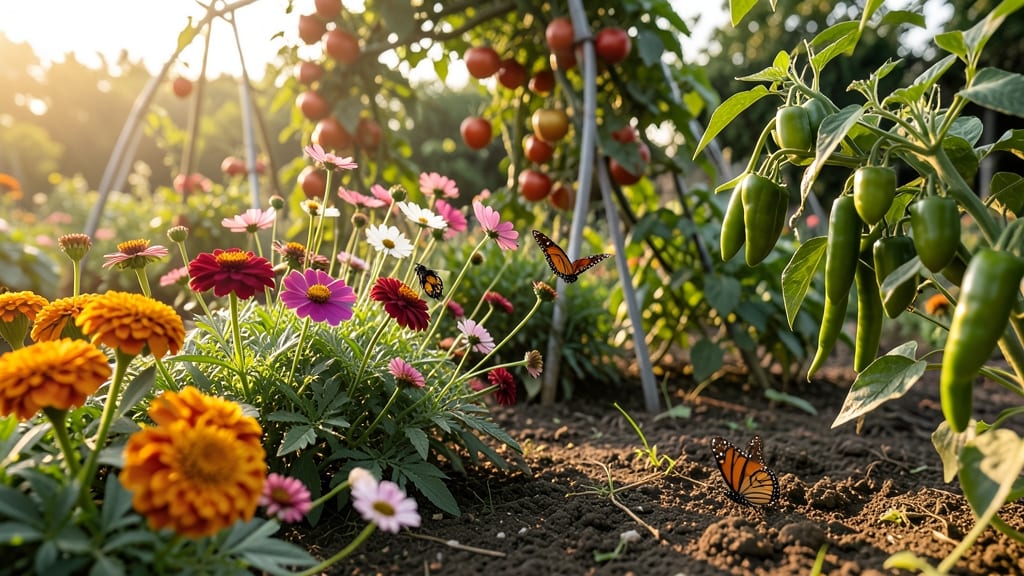
As your vegetable garden winds down in late summer, don’t let pollinators go hungry! Planting marigolds, zinnias, and cosmos between July 15 and August 15 ensures vibrant blooms when tomatoes, peppers, and beans are still producing. These flowers attract bees, butterflies, and beneficial insects that help pollinate your remaining crops while adding late-season color.
Sow seeds directly in well-drained soil with full sun exposure (6+ hours daily) and keep the area weed-free. Deadhead spent blooms every 2-3 weeks to encourage continuous flowering. For Zone 6, choose heat-tolerant varieties like 'Benary’s Giant' zinnias or 'French Marigold' for prolonged blooms through September.
This simple strategy keeps your garden buzzing with activity while extending the harvest season. Perfect for small spaces or container gardens too! 🌻
Winter Hardy Garlic and Onion Planting Guide
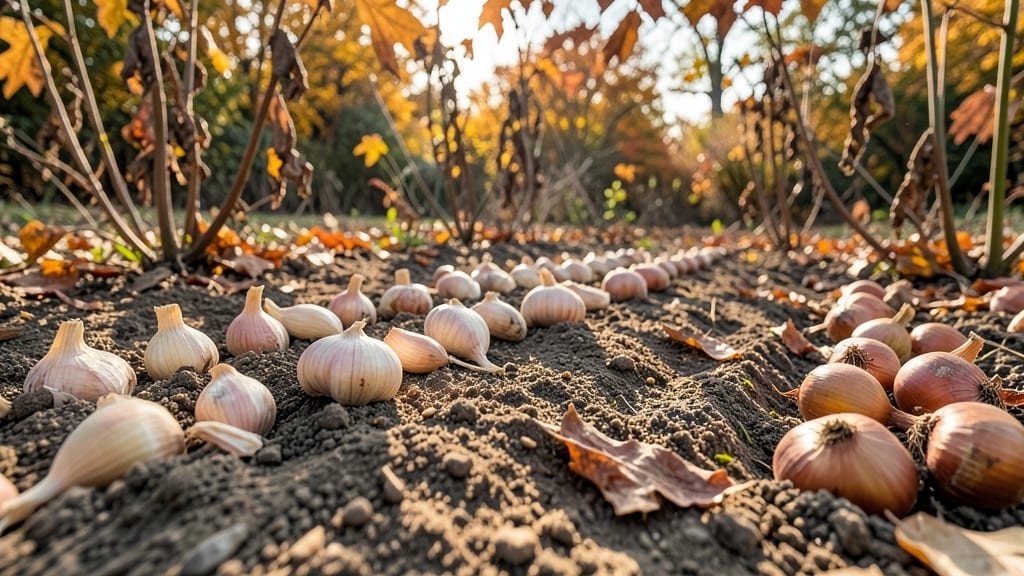
Forget summer harvests—garlic and onions are your secret weapons for storing fresh flavors through the winter. Planting these Zone 6 hardy crops in October and April ensures you’ll have homegrown staples long after your garden bed goes dormant.
Start by planting garlic cloves in well-draining soil by mid-October, leaving the tips exposed to prevent rot. For onion sets, wait until early April when soil warms to 50°F—this timing avoids bolting and maximizes bulb size. Both crops thrive with 6 hours of sun daily and benefit from a light mulch to retain moisture through winter.
This strategy is perfect for preppers, homesteaders, or anyone tired of grocery store onions. With just two planting windows, you’ll enjoy homegrown storage crops that last months—no greenhouse or fancy equipment needed! 🌱
Container Gardening Succession Planting for Small Spaces

No yard? No problem! Container gardening lets you grow a continuous harvest of fresh produce in just 5-gallon pots—perfect for balconies, patios, or tiny urban spaces. This compact succession plan adapts traditional charts specifically for Zone 6's April-October growing window, using crops that thrive in small spaces without sacrificing yield.
Start with bush beans (sow every 2 weeks from May-July) and lettuce (plant heat-tolerant varieties like 'Black Seeded Simpson' every 3 weeks until August). Add herbs like basil and cilantro—they self-seed easily and can be harvested repeatedly. Use well-draining potting mix with a slow-release fertilizer, and place containers where they get 6+ hours of sun daily. With this system, you'll enjoy fresh greens, pods, and herbs all season long.
This method is ideal for renters, small-space gardeners, or anyone without a traditional plot. It proves you don't need acres to practice succession planting—just a sunny spot and a few containers. 🌱