
Planting
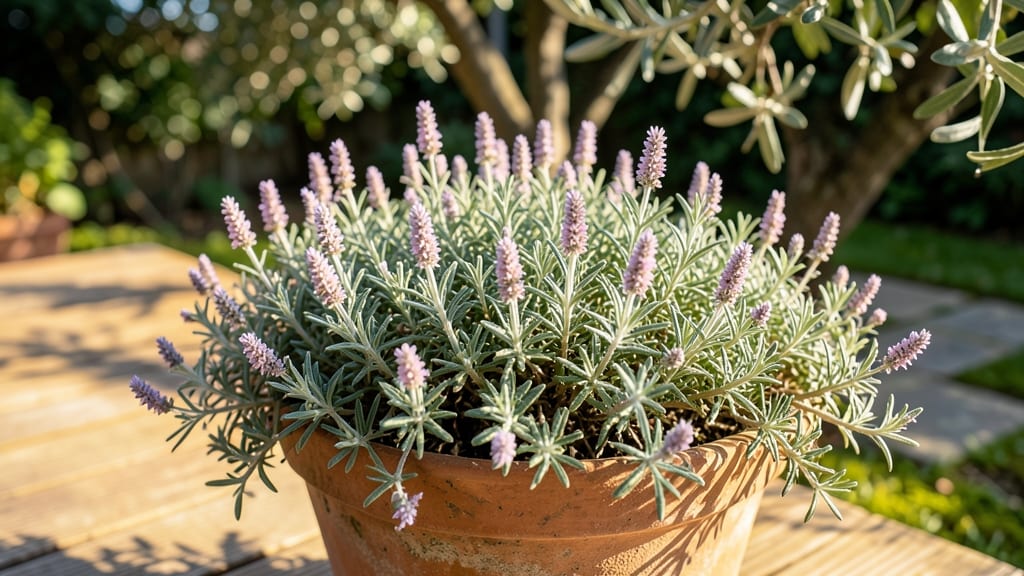
Proper thyme plant spacing determines whether your herb garden thrives or struggles—too crowded, and you’ll lose flavor and airflow; too sparse, and you waste space.
Picture this: your thyme plants sprawling beautifully, their 🌿 aromatic leaves dense and pest-free, while others in your neighborhood fight fungal spots or stunted growth. The difference? Spacing that balances sunlight, airflow, and root room.
In this guide, I’ll break down the exact spacing for creeping vs. upright thyme, how to adjust for containers or garden beds, and why 12-18 inches apart is the sweet spot for most varieties.
You’ll also discover how spacing impacts yield, pest control, and even companion planting—plus common mistakes to avoid that could ruin your harvest.

Optimal thyme plant spacing for bushy growth & airflow
Proper thyme plant spacing isn't just about aesthetics—it's the foundation for healthy growth, pest resistance, and maximum yield. When thyme plants are too close, they compete for sunlight and nutrients, leading to stunted growth and fungal issues.
But spacing them too far apart wastes garden space and reduces your harvest. The key is finding that sweet spot where your thyme thrives without inviting problems.
Thyme comes in two main growth habits: creeping varieties like 'Elfin' or 'Woolly Thyme' and upright varieties such as 'French Thyme' or 'Lemon Thyme'. Each requires slightly different spacing to optimize their natural growth patterns.
For creeping thyme, the ideal distance is 12-18 inches apart, while upright varieties need 18-24 inches of space to develop their full bushy structure without overcrowding.
The science behind thyme spacing comes down to three key factors: air circulation, light exposure, and root competition. When thyme plants are spaced correctly, air moves freely between them, reducing humidity and preventing fungal diseases like powdery mildew.
Proper spacing also ensures each plant gets its fair share of sunlight, which is critical for flavor development and oil production—the compounds that make thyme so aromatic.
In my own garden, I’ve found that upright thyme varieties benefit most from the 18-24 inch spacing because they grow taller and need room for their stems to spread outward. This spacing allows sunlight to reach the lower leaves, preventing the plant from becoming leggy.
For creeping thyme, the closer spacing of 12-18 inches encourages a dense mat of growth, perfect for ground covers or edging pathways where you want a lush, uniform look.
Another critical aspect of spacing is how it affects pest resistance. Thyme is naturally pest-resistant, but overcrowded plants become stressed and more vulnerable to aphids and spider mites. Proper airflow disrupts the conditions these pests thrive in, making your thyme a tougher target.
I’ve noticed that my thyme plants spaced correctly have fewer pest issues and require less intervention from me—just another reason to get the spacing right from the start.
If you're planting thyme in containers, the spacing rules change slightly. For a 5-gallon pot, you can fit 3-5 thyme plants depending on their variety, but ensure they’re not touching.
In larger containers, like 10-gallon pots, you can space them 12-18 inches apart just like in garden beds. The key is to leave enough room for roots to expand without competing directly with each other.
For dense planting, like creating a thyme border or ground cover, you can reduce the spacing slightly—down to 9-12 inches for creeping varieties—but be prepared for more frequent pruning to maintain shape and airflow.
I’ve used this technique to create a beautiful thyme border around my vegetable garden, and it’s thrived while keeping pests away from my more vulnerable crops.
One common mistake I see is uneven spacing, where some plants are too close and others too far apart. This creates weak spots in your garden where weeds can take over or where thyme plants struggle to compete.
To avoid this, use a string line and stakes to mark your spacing before planting. This ensures consistency and a professional-looking result.
Finally, remember that thyme is a perennial, meaning it will grow back year after year. Proper spacing now will pay off in future seasons with healthier plants, better yields, and less maintenance.
Take the time to plan your layout carefully, and your thyme will reward you with lush, aromatic growth for years to come.
Thyme spacing mistakes that kill your plants (and how to fix them)
If your thyme plants look leggy, sparse, or worse—covered in fungus—chances are your spacing is the culprit. Overcrowding smothers roots, traps moisture, and creates a pest buffet, while uneven gaps leave your garden looking patchy.
The good news? Fixing these mistakes is easier than you think, and your thyme will bounce back with proper airflow and sunlight.
I’ve seen gardeners struggle with thyme spacing for years, especially when transitioning from containers to garden beds. The key is understanding how thyme’s growth habit affects its needs—creeping varieties need room to spread, while upright types need vertical space.
Let’s tackle the most common mistakes and their fixes, so your thyme thrives instead of fights for survival.
⚠️ Thyme Spacing Mistakes You’re Probably Making
Overcrowding (plants <6 inches apart) causes fungal diseases like powdery mildew and stunted growth from root competition. Uneven gaps create weak spots where pests like spider mites thrive. Even container spacing errors (too many plants per pot) lead to root rot.
First, let’s address overcrowding, the silent killer of thyme. When plants are packed too tightly—say, less than 6 inches apart—they compete for nutrients, leading to yellowing leaves and weak stems. I’ve seen thyme clumps where the center plants barely survive while the outer ones flourish.
The fix? Thin your plants to 12-18 inches apart for creeping varieties or 18-24 inches for upright types. Use a spacer tool or string line to ensure even gaps.
Another common error is uneven spacing, which creates hotspots for pests and diseases. I notice this often in DIY herb spirals where spacing varies wildly. To correct this, measure your existing plants and adjust gaps so no thyme is closer than 12 inches to another.
For a quick fix, gently transplant overcrowded plants to a new location or share them with fellow gardeners—everyone wins!
For container gardens, spacing mistakes are just as damaging. Too many thyme plants in one pot (e.g., 5+ plants in a 12-inch container) leads to root-bound stress and poor airflow. The rule of thumb? Allow 1 plant per 6-8 inches of container width.
If your container is already overcrowded, prune back the plants by one-third and thin them out. This shock will hurt temporarily, but your thyme will reward you with bushier, healthier growth.
Don’t forget about vertical spacing for upright thyme varieties like French thyme. These need room to grow 12-18 inches tall, so planting them too close to taller plants (like rosemary) can stunt their growth.
To fix this, prune back any competing plants or relocate your thyme to a sunnier spot where it can stretch toward the sky. A little elbow grease now saves you from leggy, flavorless thyme later.
Finally, fungal growth is a dead giveaway that your thyme spacing is off. If you spot white powdery patches or black spots on leaves, it’s time to act. Space out your plants immediately and improve airflow by trimming nearby foliage.
Water at the base of the plant in the morning to dry leaves quickly, and consider adding gravel mulch to prevent soil-borne diseases. With these fixes, your thyme will regain its vibrant green hue in no time.