
Planting
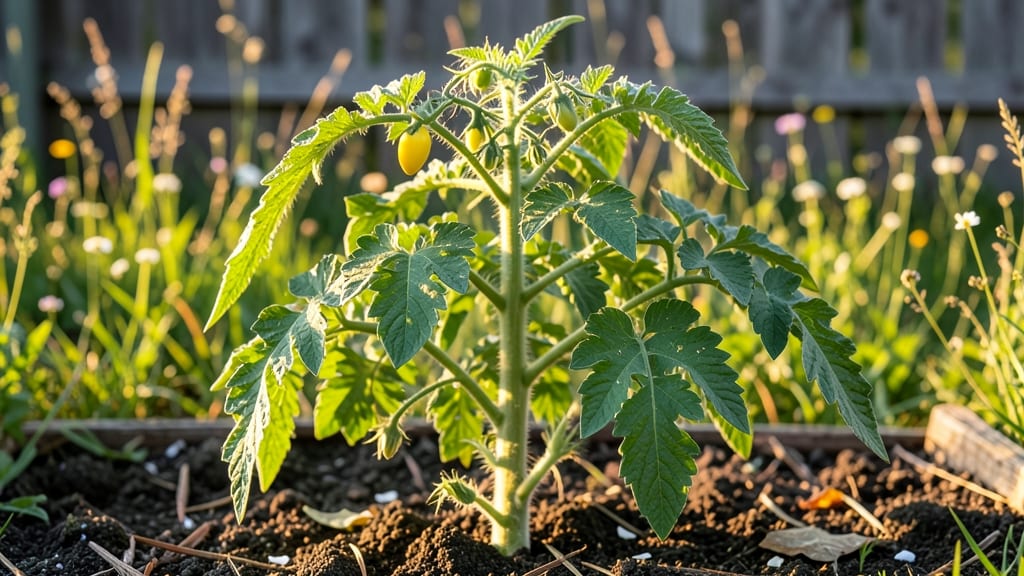
Your tomato plant’s first buds are the promise of summer’s best flavors—but only if you trim them right. 🌱 The secret to turning those tiny green knots into heavy, juicy fruit isn’t just luck; it’s knowing when to prune, where to cut, and how to coax the plant into focusing energy on fruit instead of leaves.
I’ve watched my own plants go from scraggly to loaded with tomatoes just by making a few strategic cuts at the right time.
Budding happens best when your plants get 6-8 hours of sunlight daily, soil stays between 60-80°F, and humidity isn’t so high it invites disease. Too much shade or heat stress? Buds drop like they’re playing hopscotch.
Prune in the morning when the plant is hydrated, and always cut just above a leaf or stem—never leave stubs. This isn’t rocket science, but it is precision work that pays off in pounds of tomatoes.
Here’s the game-changer: stop pruning once buds form. Every cut you make after that steals energy from fruit development. Instead, focus on supporting pollination—give outdoor plants a gentle shake or use a paintbrush for indoor growers.
You’ll see those buds swell into plump, vine-ripened tomatoes within weeks, and the flavor? Worth every snip of the shears.
Even with perfect timing, problems pop up—buds that won’t set fruit, yellowing leaves, or stunted growth. Most issues boil down to water stress, nutrient gaps, or overcrowding.
Fix them fast, and you’ll still end up with a harvest that makes store-bought tomatoes taste like cardboard. Let’s get those plants producing!
📚 In This Guide
- What you need
- Instructions
- Tips and common mistakes
- Wrapping up and next steps
What you need
- ● Tomato plants: Healthy, thriving plants (determinate or indeterminate varieties) with visible buds or suckers. Quantity: 1-5 plants, depending on your garden size.
- ● Sharp pruning shears: Bypass pruners (4-6 inch blades) for clean cuts. Spec: Stainless steel, sterilized to prevent disease.
- ● Rubbing alcohol (70% isopropyl): For sterilizing tools between cuts. Quantity: Small bottle (4 oz).
- ○ Garden gloves: Lightweight, breathable pair to protect hands. Optional: Nitrile-coated for grip.
- ● Garden twine or plant ties: (3-4 ft per plant) to support pruned branches. Spec: Biodegradable or soft twine.
- ● Compost or mulch: To replenish soil nutrients post-pruning. Quantity: 1-2 gallons per plant.
- ● Watering can or hose: With a gentle spray nozzle for post-care hydration.
- ● Hand lens (10x magnification) for inspecting buds up close.
- ● Disinfectant spray (e.g., hydrogen peroxide solution) for tools.
- ○ Pruning sealant (optional) to prevent sap oozing on cuts.
- ● Notebook and pen to track budding progress and plant responses.
- ● Sun hat and sunscreen for long gardening sessions!
Step-by-Step guide to precision trimming for tomato buds
Boost your tomato harvest by mastering this simple but powerful technique.
🌱 Step 1: Identify the Right Buds to Trim
Start by examining your tomato plant's main stem and branches. Look for small, green growth points called buds—these are where new flowers and fruit will form. The key is to focus on the sucker buds that grow in the V-shaped junctions between the main stem and branches.
Leave the buds that appear below the first flower cluster on the main stem—they'll develop into your primary fruit. But remove any buds growing above the first flower cluster or in the leaf axils of side branches. These suckers compete for energy, diverting it from your main harvest. Use your thumb and forefinger to gently pinch them off at the base—no tools needed!
✂️ Step 2: Time Your Trimming for Maximum Impact
Trim suckers when they're no larger than a pencil eraser—this prevents them from draining energy from your plant. I like to do this every 5-7 days during the growing season, especially when the plant is actively growing. Early morning is ideal because the plant is hydrated and less stressed.
Watch for new suckers forming after each trimming session. These plants grow fast, and what was a tiny bud yesterday can become a major energy drain today. If you see a sucker growing near the main stem but below the first flower cluster, leave it—it’ll help support more fruit later in the season.
☀️ Step 3: Balance Trimming with Plant Health
While trimming suckers, keep an eye on your plant’s overall health. If the leaves start yellowing or the stems look weak, you might be over-trimming. A healthy tomato plant should have strong, dark green leaves and firm stems. If you notice wilting or slow growth, reduce trimming frequency or focus only on the largest suckers.
After trimming, give your plant a light application of balanced fertilizer (like 10-10-10) to replenish nutrients. Water deeply at the base to help it recover. You’ll see new growth within 3-5 days—that’s your sign the plant is thriving and ready for another round of trimming.
🌿 Step 4: Encourage Fruit Development with Strategic Trimming
Once your tomato plant has 3-4 main stems with flowers, shift your focus to pruning lower leaves that touch the soil. These leaves can harbor diseases and pests. Remove them by gently twisting or cutting them off at the base. This improves airflow and directs energy to the fruit.
Leave the top leaves on the plant to keep producing flowers. If you notice excessive leaf growth at the top, trim back the top 1-2 inches to encourage flowering. You’ll know you’re doing it right when you see more flowers and fewer leaves over time—this means your plant is prioritizing fruit production over foliage.
Tips & tricks for perfect tomato plant budding
Here’s what nobody tells you about getting the most from your tomato plants—and avoiding common pitfalls.
Visual Cues for Step 1: When identifying suckers in Step 1, look for tiny buds that form in the V-shaped junctions between the main stem and branches. These are the ones to remove—they’re usually about the size of a grain of rice when they first appear. The buds you want to keep (below the first flower cluster) will be slightly larger and more developed, with a small flower bud forming at the tip. Confusion here leads to over-trimming, so take your time!
The 5-7 Day Rule: The instructions mention trimming every 5-7 days, but here’s the secret: check your plants every 3-4 days instead. New suckers can appear overnight, especially when your plant is actively growing. Early morning is perfect because the plant is fully hydrated, making it easier to spot and remove suckers without stressing the plant. Think of it like weeding—consistency is key!
Health Check After Trimming: After your trimming sessions in Step 3, watch for these signs of a healthy plant: leaves should spring back when gently pressed, not feel limp. If you notice yellowing leaves or slow growth within 3-5 days, you might be trimming too aggressively. Focus on removing only the largest suckers next time—your plant needs energy to recover and produce fruit.
Pruning Lower Leaves: In Step 4, when you’re removing lower leaves that touch the soil, use clean, sharp pruners or your fingers. Twisting leaves off can damage the stem, making it more susceptible to disease. Cut just above a leaf node (where leaves grow) to encourage new growth. This improves airflow and prevents soil-borne diseases from spreading to your fruit.
Pro Tips for Tomato Plant Budding
- Here’s what nobody tells you about getting the most from your tomato plants—and avoiding common pitfalls.
- Visual Cues for Step 1: When identifying suckers in Step 1, look for tiny buds that form in the V-shaped junctions between the main stem and branches.
- The 5-7 Day Rule: The instructions mention trimming every 5-7 days, but here’s the secret: check your plants every 3-4 days instead.
Frequently asked questions
Got questions about tomato plant budding? You’re not alone! Here are some of the most common concerns—and straightforward answers—to help you trim with confidence and boost your harvest.
What exactly are tomato buds, and why should I remove them?
Tomato buds are the small growths (or "suckers") that form in the _V_-shaped junctions between the main stem and branches. Removing them redirects the plant’s energy toward fruit production instead of excessive foliage, improving air circulation and reducing disease risk. Think of it as pruning for efficiency!
When is the best time to prune tomato buds?
Prune buds when they’re about the size of a dime (1–2 inches tall) to avoid stressing the plant. For indeterminate varieties, pinch off suckers regularly throughout the growing season. For determinate varieties, minimal pruning is needed—they naturally stop growing and produce fruit in clusters.
How do I prune tomato buds without hurting the plant?
Use clean, sharp pruners or your fingers to gently twist off suckers at their base. Avoid tearing the stem, and never remove more than ⅓ of the plant’s foliage at once. Pro tip: Work in the morning when the plant is hydrated and less stressed.
Can I prune tomato buds too much? What are the signs?
Yes! Over-pruning can stress the plant, leading to fewer flowers or fruit. Signs include yellowing leaves, stunted growth, or a sudden drop in blossoms. If this happens, pause pruning and focus on watering, fertilizing, and providing shade until the plant recovers.
What if I miss pruning buds—will my tomatoes still grow?
Tomatoes are resilient. If you skip pruning, you’ll likely get smaller fruit and more foliage, but the plant will still produce. However, regular budding maximizes yield, improves fruit size, and reduces disease. It’s worth the effort for a bigger, healthier harvest!
Are there alternatives to manual budding?
For busy gardeners, consider topping (cutting the main stem) or using growth regulators like hydrogen peroxide sprays to slow excessive growth. However, these methods lack precision—manual budding remains the gold standard for optimal results.
Wrapping up and next steps
Mastering the art of tomato plant budding is your ticket to a thriving garden and a harvest that’ll make your neighbors green with envy! 🌱 With the right tools, timing, and technique, you’re well on your way to maximizing fruit production and keeping your plants healthy. Remember: patience and precision pay off—every snip is a step toward bigger, tastier tomatoes!
Now that you’re armed with knowledge, why not put it into action? Start by inspecting your tomato plants this week—look for those sneaky suckers and give them the love they deserve.
And if you’re feeling ambitious, experiment with different trimming styles to see what works best for your climate and tomato variety. Happy gardening, and here’s to a juicy, bountiful harvest!