
Planting
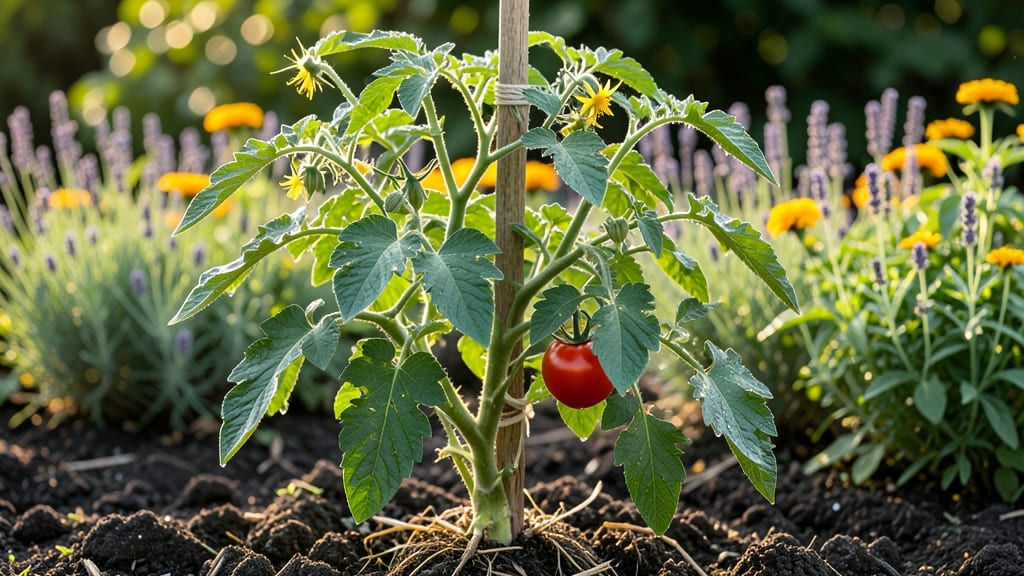
When your tomato plants look more like sad green sticks than productive vines, tomato plant help starts with choosing the right varieties for your climate. 🌱 I’ve nursed back more than my share of struggling tomato plants—especially in cooler zones—by switching to cold-resistant types like ‘Stupice’ or ‘Mountain Merit’ that shrug off early frosts and still produce.
The first step is diagnosing the problem: yellowing leaves? Check your watering or soil pH. Wilting? Maybe it’s root rot or blight.
Organic fixes like neem oil or copper fungicide work wonders for pests and diseases, but the real secret is prevention—mulch heavily, rotate crops, and avoid overhead watering to keep foliage dry. By mid-summer, your plants will bounce back with vibrant green leaves and heavy fruit sets.
The key is acting fast—most issues get worse if ignored, but with the right care, even a struggling plant can turn around. Think of it as a second chance for your garden. This approach works for both backyard gardens and container growers.
Whether you’re dealing with blight, aphids, or just slow growth, these cold-hardy varieties and simple fixes will have you harvesting tomatoes sooner than you think.
📚 In This Guide
- What you need
- Instructions
- Tips and common mistakes
- Wrapping up and next steps
What you need
- ● Cold-resistant tomato seeds or seedlings: Varieties like ‘Stupice, ‘Mountain Merit, or ‘Siberian (1–5 plants, depending on space)
- ● Start indoors 6–8 weeks before last frost or buy hardy seedlings
- ● Containers or garden bed: 5-gallon pots (1–2 per plant) or well-draining soil in raised beds
- ● Black plastic mulch (3–4 ft wide, 1–2 rolls) to warm soil
- ● Soil & amendments: High-quality potting mix (10–20 bags, depending on volume) or compost-amended garden soil
- ● Balanced fertilizer (e.g., 10-10-10, 1 lb per 10 sq ft)
- ● Slow-release fertilizer (e.g., Osmocote, 1–2 lbs per plant)
- ● Protective gear: Frost cloth (5x7 ft, lightweight) or row covers
- ○ Mini greenhouse (optional, for early starts) or cold frames
- ● Watering & care: Drip irrigation kit or soaker hoses (to avoid wetting leaves)
- ● pH test kit (to keep soil between 6.0–6.8)
- ● Cage or trellis (for indeterminate varieties, 1–2 per plant)
- ● Pruning shears (for shaping plants and removing suckers)
- ● Epsom salt (1 tbsp per plant monthly for magnesium boost)
- ● Compost tea (homemade or store-bought, for nutrient-rich watering)
- ● Thermometer (to monitor soil temps—ideal: 60°F+ for planting)
How to grow cold-hardy tomatoes in cooler climates
Here’s how to pick and grow tomatoes that actually survive—and thrive—when others fail.
🌱 Step 1: Choose the Right Cold-Resistant Varieties
Skip the heat-loving heirlooms and opt for varieties bred to handle cooler temps. Look for ‘Stupice’ (a Russian heirloom that tolerates frost down to 28°F), ‘Mountain Merit’ (disease-resistant and early-producing), or ‘Glacier’ (a cold-tolerant cherry tomato). These types start producing fruit even when nighttime temps dip into the 50s°F—most standard tomatoes bolt or rot in those conditions.
Check your first frost date and select varieties with a short days-to-maturity (look for 55-65 days for early harvests). I always buy seeds from reputable cold-climate growers like High Mowing Seeds or Baker Creek—their descriptions include cold tolerance ratings. Avoid anything labeled "tropical" or "long-season."
☀️ Step 2: Extend the Growing Season Strategically
Use black plastic mulch or row covers to warm the soil by 5-10°F and protect young plants from late frosts. I lay down 1-2 mil black plastic 2 weeks before planting—it absorbs sunlight and keeps roots from chilling. For extra protection, drape floating row covers over seedlings until they’re 12 inches tall (they trap heat and deter pests too).
If your season is very short, try container growing—5-gallon buckets with tomato cages let you move plants indoors or into a garage on chilly nights. Just ensure pots have drainage holes and use lightweight potting mix (not garden soil). I’ve grown ‘Tumbling Tom’ cherry tomatoes in containers through 45°F nights with no issues.
💧 Step 3: Water and Feed for Cold-Resilience
Cold-stressed plants need consistent moisture—water deeply every 2-3 days (check top 2 inches of soil—it should feel damp but not soggy). Avoid wetting foliage at night, which invites fungal diseases like early blight (common in damp, cool weather). I water in the late morning so leaves dry before evening chill sets in.
Feed with a balanced fertilizer (like 10-10-10) at planting, then switch to a low-nitrogen, high-phosphorus formula (like 5-10-10) when flowers appear. Cold weather slows nutrient uptake, so I add compost tea every 2 weeks for a gentle boost. Never let the soil dry out completely—roots struggle to recover in cool temps.
✂️ Step 4: Prune and Protect for Maximum Yield
Prune suckers (the little shoots in the leaf axils) to focus energy on fruit production rather than leaf growth. Cold-resistant varieties like ‘Stupice’ benefit from light pruning—remove suckers below the first 6-8 leaves to improve air circulation. This also reduces blossom-end rot, a common cold-weather issue caused by calcium uptake problems.
Watch for cracked stems in sudden temperature swings—wrap young plants with gardening fleece or cardboard tubes for extra support. If a frost warning hits, cover plants with old bedsheets or frost cloth and remove them once temps rise above 32°F. I’ve saved entire plants this way, and they bounce back stronger than ever.
🪴 Step 5: Harvest and Store for Next Year
Pick tomatoes as soon as they ripen—even cold-hardy varieties produce better if you don’t leave fruit hanging too long. Green tomatoes can be baked into relish or stored in a cool, dark place (like a basement) until they ripen. For heirlooms like ‘Stupice’, let a few fully ripen on the vine for seed-saving.
Save seeds from your best performers! Scoop out the jelly-like seed gel, rinse it in a fine-mesh strainer, and let it dry on a paper towel. Store seeds in a paper envelope (not plastic) in a cool, dry place—they’ll stay viable for 2-3 years. Next season, start these seeds 6-8 weeks before your last frost for an early jump on the growing season.
Tips & tricks for growing cold-hardy tomatoes
Took me a while to figure these out, so here's how I ensure my cold-resistant tomatoes thrive when others fail.
Variety Selection Insight: When choosing seeds, look beyond just cold tolerance—check for disease resistance too. The ‘Mountain Merit’ variety I grow handles both chilly temps and common fungal diseases like early blight. I always cross-reference seed catalog descriptions with my local climate data to pick the best match for my specific frost dates and humidity levels.
Soil Preparation Strategy: The 2 weeks before planting when you lay down 1-2 mil black plastic is your chance to create a microclimate. I go one step further by adding compost underneath the plastic—this warms the soil faster and gives roots a nutrient boost right from the start. The key is to remove the plastic before planting to avoid plastic residue in the soil.
Container Growing Hack: For 5-gallon buckets, I use tomato cages but add a sturdy wooden stake in the center for extra support. The combination prevents cracking during temperature swings, which is especially important when nights dip to 45°F. I also elevate containers on brick feet to improve airflow around the roots and prevent waterlogging.
Frost Protection Secret: When covering plants during frost warnings, I use old bedsheets instead of frost cloth—sheets trap more heat and create a better insulating layer. The trick is to secure them loosely with clips or rocks so they don't crush the plants. I always remove covers once temps rise above 32°F to prevent overheating during the day.
Pro Tips for Tomato Plant Help
- Took me a while to figure these out, so here's how I ensure my cold-resistant tomatoes thrive when others fail.
- Variety Selection Insight: When choosing seeds, look beyond just cold tolerance—check for disease resistance too.
- Soil Preparation Strategy: The 2 weeks before planting when you lay down 1-2 mil black plastic is your chance to create a microclimate.
Frequently asked questions
Got questions about growing cold-resistant tomatoes? You’re not alone! Here are some of the most common concerns—and their answers—to help you grow a thriving crop even in chilly climates.
What are the best cold-resistant tomato varieties for beginners?
Start with Siberian, Stupice, or Mountain Merit—these varieties tolerate temps down to 28–32°F (-2 to 0°C) and are forgiving for new gardeners. Look for indeterminate types if you want continuous harvests, or determinate for bushier, earlier yields.
How do I protect my tomato plants from late spring frosts?
Use frost cloths (lightweight row covers) or black plastic mulch to insulate soil and roots. Plant in low-lying areas where cold air settles less, or set up mini greenhouses with clear plastic domes over young seedlings. Avoid overhead watering before frost—wet leaves freeze faster!
When is the best time to transplant cold-hardy tomato seedlings?
Wait until soil temps reach 50°F (10°C) and nighttime lows stay above 40°F (4°C). For extra safety, transplant in late May or early June in colder zones (USDA 3–5). Harden off seedlings first by gradually exposing them to outdoor conditions over 7–10 days.
Why are my cold-resistant tomatoes cracking, even though I’m watering them?
Uneven watering (drought followed by heavy rain) causes split tomatoes. Mulch with straw or grass clippings to keep moisture consistent, and water deeply once or twice weekly (not daily). Prune lower leaves to improve airflow and reduce disease risk, which can stress plants further.
Can I grow cold-hardy tomatoes in containers, and what size pots do I need?
Yes! Use 5-gallon containers or larger (at least 12–18 inches deep) with well-draining soil. Place pots in south-facing spots and move them indoors if nights dip below 45°F (7°C). Dwarf varieties like Tiny Tim or Patio Princess work well in containers.
What’s a good alternative if my cold-hardy tomatoes fail to thrive?
Try peppers (like Armenian Cucumber), eggplants (e.g., Rosa Bianca), or ground cherries—they’re also cold-tolerant and productive. For greens, kale or spinach handle frost better than tomatoes. Just adjust planting times to match your climate’s last frost date!
Wrapping up and next steps
Growing tomatoes in chilly climates doesn’t have to feel like a challenge—it’s all about choosing the right varieties and giving your plants the love they deserve! 🌱 From cold-hardy heirlooms to early-maturing hybrids, there’s a tomato out there thriving in your zone.
With the right prep, soil care, and a little patience, you’ll soon be harvesting juicy, homegrown tomatoes even when the weather turns cool.
Ready to take the next step? Pick your favorite variety, grab your gardening tools, and start planting! Whether you’re a seasoned gardener or a beginner, every seed you sow is a step toward a tastier, fresher harvest. Happy growing! 🍅✨