
Planting
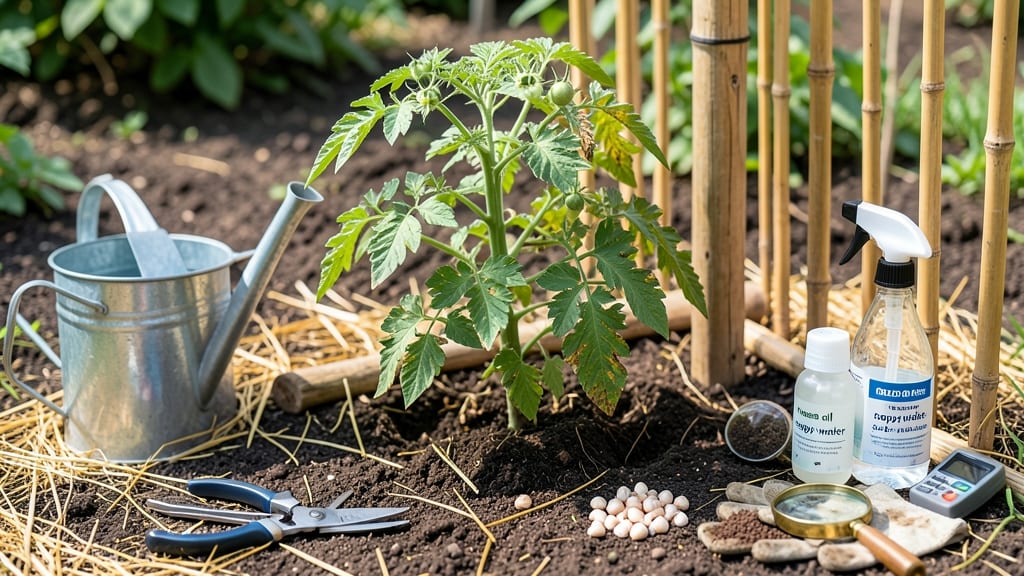
Tomato plant problems and solutions don’t have to mean game over—even my first-year failures turned around with the right fixes. 🌱 The key is spotting symptoms early: yellow leaves, wilted stems, or spots on fruit all signal specific issues, and most have quick, organic solutions that work within days.
Blight, pests, and nutrient deficiencies top the list, but I’ve seen gardeners reverse each with simple adjustments: copper sprays for blight, neem oil for pests, and balanced compost for hungry soil. The secret is acting fast—most problems worsen when ignored, but with the right approach, your plants bounce back stronger.
You’ll diagnose issues like a pro and restore vigor to struggling plants in under 48 hours. Whether it’s crunchy leaves from aphids or blossom end rot from calcium, these solutions work without harsh chemicals—just targeted care that delivers results you can see by harvest time.
Perfect for gardeners who’ve lost plants to mystery ailments or want to prevent future struggles. Let’s get those tomatoes thriving again—no guesswork required.
Root Causes Behind Tomato Troubles
Understanding why tomato plants act up is half the battle—once you know the science behind the struggle, you can tackle it like a pro. Let’s break down the most common culprits and why they turn your thriving plants into stressed-out survivors.
Tomatoes are tropical at heart but can’t handle too much heat or cold. When temperatures swing outside their ideal range of 60–85°F (15–29°C), problems arise fast.
- Heat Stress (Above 90°F/32°C): High heat slows photosynthesis, causing sunscald (white, leathery patches on fruit) and blossom drop (flowers fall off before fruiting). The plant essentially "shuts down" to conserve energy, leading to stunted growth or fruit that never develops.
- Cold Stress (Below 50°F/10°C): Chilly nights or frost damage cells, leading to blackened leaves, wilting, or even death. Young plants are especially vulnerable, as their roots struggle to absorb water in cold soil.
- Solution Insight: Tomatoes love consistent warmth—mulch heavily in summer to keep roots cool, and use row covers or cold frames in spring/fall to protect them.
Water is the lifeblood of tomatoes, but inconsistent moisture is a top cause of problems. Here’s why:
- Underwatering: Shallow roots and wilting leaves (especially in afternoon heat) signal thirst. Chronic drought causes blossom end rot (calcium deficiency in fruit) and cracked tomatoes as they struggle to expand.
- Overwatering: Soggy soil drowns roots, cutting off oxygen and inviting fungal diseases like early blight or root rot. Yellowing leaves (chlorosis) and a foul smell at the base are red flags.
- Solution Insight: Aim for 1–1.5 inches of water per week (deep watering 2–3x/week is better than daily shallow drinks). Use drip irrigation to keep foliage dry and soil evenly moist.
Tomatoes are heavy feeders, and poor soil is like trying to run a marathon on an empty tank. Common issues include:
- Nitrogen Deficiency (Pale, Yellow Leaves): Too little nitrogen stunts growth, while too much leads to lush foliage but few fruits. Soil tests reveal the truth—most garden soils need a balanced 10-10-10 or 5-10-10 fertilizer.
- Calcium Deficiency (Blossom End Rot): Even with enough calcium in the soil, poor water absorption (from uneven moisture or compacted soil) locks plants out. The classic black, sunken spots on fruit are a dead giveaway.
- pH Problems (Too Acidic or Alkaline): Tomatoes thrive in slightly acidic soil (pH 6.0–6.8). If pH is off, nutrients like iron, manganese, or phosphorus become unavailable, causing yellowing between veins (iron deficiency) or stunted growth.
- Solution Insight: Amend soil with compost, crushed eggshells (for calcium), or sulfur (to lower pH). For container growers, use calcium nitrate or gypsum to prevent end rot.
Tomatoes are a buffet for bugs and pathogens. Here’s why they strike:
- Aphids, Whiteflies, and Spider Mites: These sap-suckers weaken plants by injecting toxins, causing curled leaves, sticky honeydew, and sooty mold. They thrive in hot, dry conditions and spread viruses like tomato mosaic.
- Fungal Diseases (Early Blight, Late Blight, Powdery Mildew): Spores love humidity—wet foliage for >48 hours creates the perfect breeding ground. Early blight starts as brown spots with concentric rings, while late blight (the Irish potato famine’s cousin) causes rapid leaf death and blackened stems.
- Bacterial Spot and Wilt: Bacterial spot (tiny water-soaked lesions) spreads via rain splashes, while wilt (sudden drooping) clogs xylem vessels, cutting off water flow. Both are incurable—prevention is key.
- Solution Insight:
- Rotate crops yearly to break disease cycles.
- Prune for airflow (remove lower leaves to reduce humidity near soil).
- Spray neem oil (for pests) or copper fungicide (for bacterial/fungal issues) preventatively.
- Transplant Shock: Moving seedlings stresses roots, causing wilting, stunted growth, or leaf drop. Even if roots look intact, disturbed root zones take 1–2 weeks to recover.
- Overcrowding: Plants competing for light, water, and nutrients leads to small fruit, weak stems, and increased disease risk. The rule: 18–24 inches apart for indeterminate varieties; 12–18 inches for determinate.
- Solution Insight:
- Hardening off seedlings (acclimating them to outdoor conditions over 5–7 days) reduces shock.
- Stake or cage plants early to support growth and improve airflow.
Quick Fixes for Common Tomato Troubles
Got a tomato garden that’s looking less than stellar? Don’t panic—most issues have simple, effective solutions. Below, we break down how to diagnose and fix the most common tomato plant problems, with step-by-step fixes and prevention tips to keep your plants thriving. 🍅✨
Cause: Too much water, poor drainage, or lack of nitrogen. Fix: 🔥 Step 1: Check the Soil – Stick your finger 1-2 inches into the soil. If it’s soggy, you’re overwatering. 🍳 Step 2: Adjust Watering – Water deeply 2-3 times a week (less in rainy weather) and ensure pots/containers have drainage holes. 👨🍳 Step 3: Amend the Soil – Mix in compost or a balanced fertilizer (10-10-10) to replenish nutrients. 🥘 Step 4: Prune Damaged Leaves – Snip off yellowed lower leaves to redirect energy to healthy growth.
Prevention Tip: 💡 Mulch around plants to retain moisture and improve soil health.
Cause: Hornworms, slugs, or cutworms munching on foliage. Fix: 🔪 Step 1: Handpick Pests – Check leaves daily (especially at dawn/dusk) and drop pests into soapy water. ⏰ Step 2: Use Natural Repellents – Spray neem oil or Bt (Bacillus thuringiensis)—safe for plants and pets. 🌿 Step 3: Set Traps – Place beer traps (for slugs) or yellow sticky traps (for whiteflies).
Prevention Tip: 🎯 Plant basil or marigolds nearby—they deter pests naturally!
Cause: Fungal diseases (early/late blight) or extreme heat. Fix: 💦 Step 1: Improve Airflow – Space plants 18-24 inches apart and prune suckers to reduce humidity. 🍄 Step 2: Fungal Spray – Mix 1 tsp baking soda + 1 quart water + a drop of soap and spray every 7-10 days. 🌡️ Step 3: Shade Cloth – Use 30-50% shade cloth in scorching heat (above 90°F).
Prevention Tip: ✨ Rotate crops yearly to prevent soil-borne diseases.
Cause: Lack of calcium ("blossom end rot") or sudden temperature swings. Fix: 📊 Step 1: Add Calcium – Sprinkle crushed eggshells or use calcium nitrate fertilizer (follow package instructions). 💪 Step 2: Stabilize Conditions – Keep soil consistently moist (not soggy) and avoid extreme heat/cold. 🍎 Step 3: Mulch Heavily – Use straw or grass clippings to regulate soil temp.
Prevention Tip: 🥗 Test soil pH—aim for 6.0-6.8 for best calcium uptake.
Pro Tip: 🔥 Act fast! Early intervention saves plants—and your harvest. Most issues are reversible with the right care. Now go fix those tomatoes before they fix themselves… into compost! 😉
Frequently asked questions
Why are my tomato leaves turning yellow but staying green at the edges?
This classic symptom signals iron deficiency (chlorosis), often caused by alkaline soil (pH >7.0) or poor nutrient uptake. Test your soil—tomatoes need pH 6.0–6.8. Amend with chelated iron or sulfur to lower pH, and water deeply to help roots absorb nutrients.
Can I still save tomatoes with blossom end rot?
Yes! Cut off the affected fruit immediately to prevent spread. Boost calcium by mixing 1 tablespoon crushed eggshells into the soil or use calcium nitrate fertilizer. Keep soil consistently moist (not soggy) and mulch heavily to stabilize moisture levels—new fruit should develop normally within 1–2 weeks.
How do I tell if my tomato plant has early blight vs. late blight?
Early blight starts with brown concentric rings on lower leaves (like bullseyes) and progresses upward. Late blight causes dark, greasy spots on leaves and stems that spread rapidly in humid weather. For both, remove infected foliage immediately and spray with copper fungicide or a baking soda mix (1 tsp baking soda + 1 quart water).
Why are my tomato flowers falling off before fruiting?
This blossom drop happens due to heat stress (above 90°F), inconsistent watering, or transplant shock. Provide afternoon shade, mulch heavily, and water deeply 2–3 times per week. For container plants, move to a cooler spot or use shade cloth during heatwaves.
Is it safe to use coffee grounds on tomato plants?
Yes! Coffee grounds add nitrogen and acidity, but use sparingly (½ cup per plant every 2 months)—too much can harm roots. Mix into soil or compost first to prevent mold. They also repel pests like slugs and ants! Avoid fresh grounds (they can burn plants)—composted is best.