
Planting
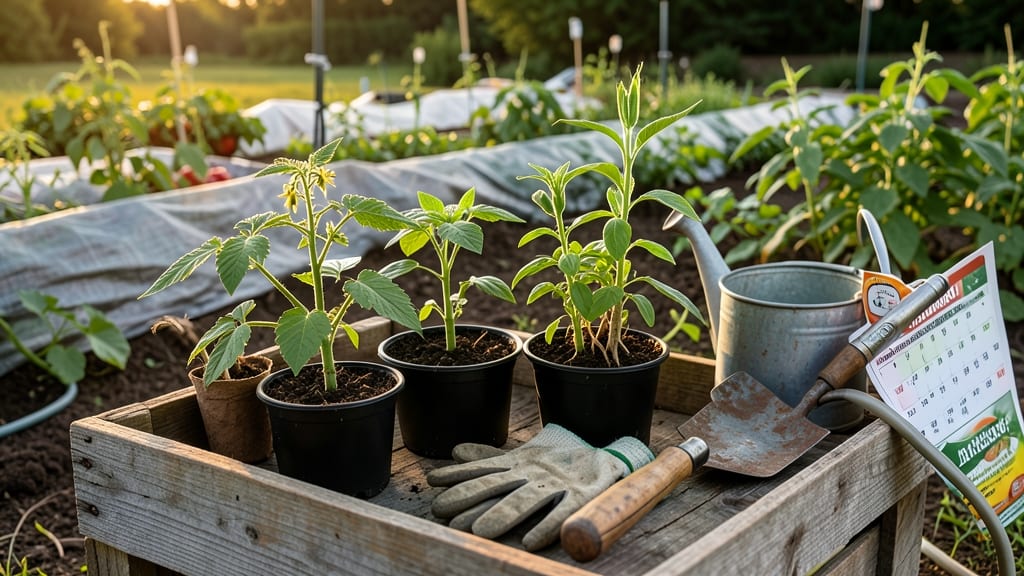
Planting a vegetable garden in Florida requires timing your crops to the state’s three distinct climate zones—where a wrong move can mean wilting heat or wasted seeds.
Florida’s scorching summers and unpredictable weather can make gardening a challenge—but knowing the exact months to plant your vegetable garden is the key to bountiful harvests year-round.
Cool-season crops like lettuce and broccoli thrive in North Florida’s milder winters, while South Florida’s year-round warmth lets you grow okra and sweet potatoes almost anytime.
Below, I break down the best planting windows by month, microclimate tips for your region, and how to avoid common pitfalls like overwatering in humidity or underestimating soil pH.
Florida planting calendar: best months for heat-resistant vegetables by season
Florida’s three distinct climate zones—North (Zone 8a-9a), Central (Zone 9a-10a), and South (Zone 10b-11)—create unique planting windows for heat-resistant vegetables. Unlike cooler climates, Florida’s long growing season lets you plant year-round, but timing is everything to avoid frost in the north or extreme heat stress in summer.
The key? Focus on warm-season crops like okra, sweet potatoes, and malabar spinach that thrive when temperatures stay above 70°F.
North Florida gardeners face cooler winters and occasional frost, while South Florida’s tropical climate allows year-round planting with minimal seasonal shifts. Central Florida sits in the middle, offering a balance but requiring careful attention to humidity and soil moisture.
Below, I’ve broken down the best months for planting heat-resistant vegetables in each zone, plus strategies to extend your harvests.
Pro Tip: Always check your local last frost date (typically mid-March for North Florida) and first frost date (usually mid-December) to adjust timing. For South Florida, frost is rare, but summer heat waves (above 95°F) can stress plants—so plan for shade cloth or drip irrigation during peak heat.
| Zone | Best Planting Months | Heat-Resistant Crops | Avoid Planting When | Notes |
|---|---|---|---|---|
| North Florida (Zone 8a-9a) | March–April, August–September | Okra, Sweet Potatoes, Malabar Spinach, Yard-Long Beans | November–February (frost risk), June–July (extreme heat) | Use row covers for early spring/fall plantings. |
| Central Florida (Zone 9a-10a) | February–March, July–August | African Eggplant, Cowpeas, Peppers, Tomatillos | December–January (cooler temps), May–June (peak heat) | Mulch heavily to retain moisture during dry spells. |
| South Florida (Zone 10b-11) | Year-round (with adjustments) | Okra, Sweet Potatoes, Callaloo, Amaranth | None (but slow growth in winter) | Plant in shade cloth during summer heat waves. |
| All Zones | September–October (fall planting) | Kale, Swiss Chard, Carrots (heat-tolerant varieties) | After first frost in North Florida | Fall crops benefit from cooler temps and less humidity. |
For North Florida, the best window for heat-resistant vegetables is March–April and August–September. Start seeds indoors in February for early spring plantings, then transplant after the last frost (usually mid-March).
In August, you can sow a second crop for a fall harvest before temperatures drop. Okra and sweet potatoes are top choices—they handle Florida’s heat like pros!
Central Florida’s longer frost-free season lets you plant earlier (as early as February) and later (up to August). This zone is perfect for African eggplant and cowpeas, which thrive in 90°F+ temperatures.
If you plant in July, provide afternoon shade to prevent bolting (premature flowering). Drip irrigation is a game-changer here to avoid fungal diseases from humidity.
In South Florida, you can plant almost anytime, but growth slows in winter (below 70°F). Focus on fast-maturing crops like okra (ready in 50–60 days) or callaloo (a heat-loving green).
Use shade cloth (30–50%) during summer to protect seedlings from intense sun. Pro tip: Mulch with straw to keep roots cool and retain moisture.
One of my biggest mistakes was planting tomatoes in June—they wilted under 95°F heat. Instead, opt for heat-tolerant varieties like Solar Fire tomatoes or Malabar spinach, which stay productive in 100°F+ temps.
Another trick? Succession planting: Sow small batches every 2–3 weeks to ensure a continuous harvest.
Don’t forget about soil prep! Florida’s sandy soil drains too quickly, so amend with compost or aged manure before planting. Add a 2–3 inch layer of mulch to lock in moisture and suppress weeds.
For container gardening, use a well-draining potting mix with added perlite to prevent root rot
Top 10 heat-resistant vegetables for Florida gardens (with planting tips)
Florida’s summer heat can turn a garden into a sauna—but the right vegetables thrive under the sun. These 10 heat-resistant varieties produce bountiful harvests even when temperatures hit 90°F+. From okra to African eggplant, these plants are Florida’s secret weapon for year-round growing.
Unlike traditional crops that bolt or wilt in heat, these vegetables stay productive. They require minimal watering, tolerate sandy soil, and often repel pests naturally. Whether you’re a beginner or seasoned gardener, these picks will keep your garden flourishing when other plants struggle.
🌱 Numbered Highlights: Florida’s Best Heat-Tolerant Vegetables
- Okra: Plant 1/2 inch deep, 12-18 inches apart. Thrives in 90°F+ and produces pods for 6+ months. Companion plant with basil to deter pests.
- Sweet Potatoes: Slips 1 inch deep, 12 inches apart. Needs full sun and well-draining soil. Harvest slips in 90 days for roots.
- Yard-Long Beans: Sow 1 inch deep, 4-6 inches apart. Grows 2-3 feet tall on trellises. Plant near corn for shade in peak heat.
- African Eggplant: Start seeds indoors 8 weeks before last frost. Transplant 18 inches apart. Handles humidity better than traditional eggplant.
- Malabar Spinach: Direct sow 1/4 inch deep, 12 inches apart. Grows as a perennial vine in Florida. Harvest leaves continuously for regrowth.
Don’t overlook lesser-known varieties like Scarlet Runner Beans or Cowpeas, which fix nitrogen in soil while producing edible pods. For maximum yield, mulch with straw or grass clippings to retain moisture and regulate soil temperature. Avoid overwatering—deep, infrequent watering encourages stronger roots.
Companion planting boosts success: Okra pairs well with peppers, while cowpeas thrive near tomatoes. Use drip irrigation to keep foliage dry and prevent fungal diseases like powdery mildew. For container gardening, opt for dwarf varieties like bush okra or patio eggplant.
Start seeds indoors in March for early spring planting or direct-sow in May after the last frost. In South Florida, you can plant heat-lovers year-round, while North Florida gardeners should focus on spring and fall for best results. Rotate crops annually to prevent soil depletion and pest buildup.
With these heat-resistant champions, your Florida garden will stay productive even during the hottest months. Happy growing! 🌿☀️