
Planting
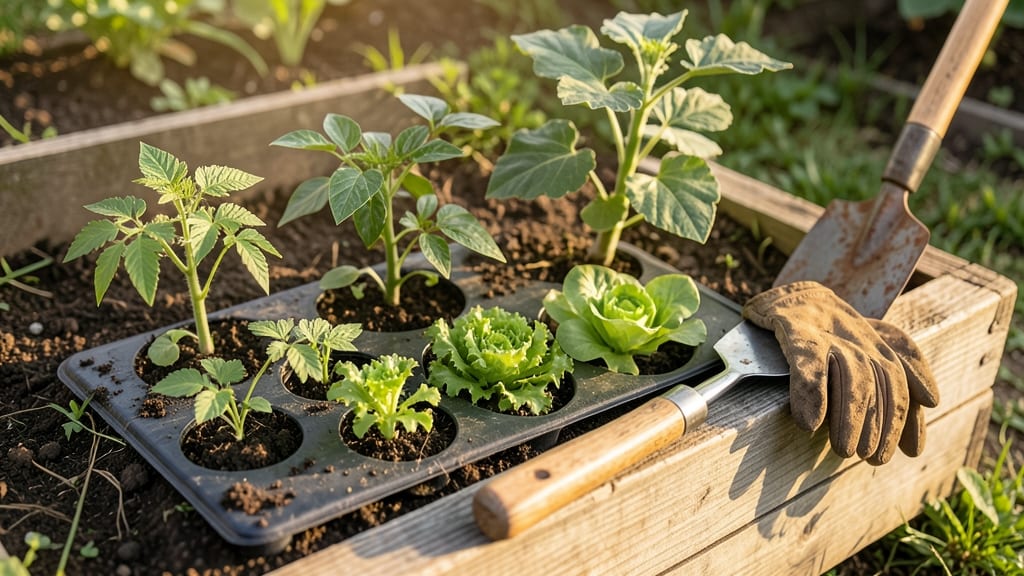
To plant your garden in Maryland at the right time, aim for mid-March to mid-May for spring and August to mid-September for fall, aligning with the region’s frost-free window.
Maryland’s diverse climate—from the humid Chesapeake Bay to the cooler Appalachian foothills—means your planting timeline can vary by weeks depending on where you live. Get it wrong, and your 🌱 tomatoes might bolt before fruiting or your broccoli could freeze overnight.
This guide breaks down planting windows by Maryland’s USDA Zones 7a-7b, so you know when to sow seeds or transplant seedlings for maximum success. Whether you’re growing heat-loving peppers or cold-hardy kale, timing is everything.
Inside, you’ll find a month-by-month calendar, soil prep tips, and adjustments for microclimates—because even a few miles can change your frost date. Let’s get your garden off to the best start!
Maryland frost-free dates by region: when to plant cool vs warm season crops
Maryland’s frost dates shift dramatically across its five distinct regions, creating planting windows that can differ by 3-4 weeks. The Eastern Shore enjoys milder winters, while the Appalachian Plateau often sees frost lingering until late April.
Understanding these regional differences helps you avoid wasted seeds or frost-damaged crops by aligning your planting with nature’s calendar.
Cool-season crops like spinach and peas thrive when planted 4-6 weeks before your region’s last frost date. Warm-season favorites such as tomatoes and peppers need soil temperatures above 60°F—typically 2-3 weeks after the last frost.
Below, we break down the average last frost dates and ideal planting windows for Maryland’s five key regions, plus how to adjust for historical trends and microclimates.
Pro Tip: Use row covers or cold frames to extend your cool-season growing window by 2-4 weeks in colder regions. For warm-season crops, opt for heat-tolerant varieties like ‘Celebrity’ tomatoes or ‘Jalapeño’ peppers if your area tends toward early frosts.
| Region | Last Frost Date | First Frost Date | Cool-Season Planting Window | Warm-Season Planting Window | Key Crops to Plant |
|---|---|---|---|---|---|
| Eastern Shore (USDA 7b-8a) | March 20 – April 5 | October 20 – November 5 | February 15 – March 30 | April 15 – May 10 | Spinach, peas, broccoli, lettuce, tomatoes, peppers, okra |
| Baltimore/DC Metro (USDA 7a-7b) | April 1 – April 15 | October 15 – November 1 | March 1 – April 1 | April 20 – May 15 | Kale, carrots, radishes, cucumbers, basil, eggplant, beans |
| Piedmont (USDA 6b-7a) | April 10 – April 25 | October 10 – October 25 | March 15 – April 10 | May 1 – May 20 | Peas, cabbage, Swiss chard, tomatoes, peppers, squash |
| Western MD (USDA 6a-6b) | April 15 – May 1 | October 5 – October 15 | March 20 – April 15 | May 10 – June 1 | Lettuce, radishes, onions, tomatoes, peppers, corn |
| Appalachian Plateau (USDA 5b-6a) | April 25 – May 10 | September 25 – October 10 | April 1 – April 20 | May 20 – June 10 | Spinach, peas, broccoli, tomatoes, peppers, beans |
For the Eastern Shore, where frost arrives 2-3 weeks later than inland areas, you can start cool-season crops as early as mid-February. Plant warm-season crops like tomatoes by mid-April to avoid early bolting from heat stress.
In contrast, the Appalachian Plateau often sees frost lingering until early May, so delay planting until late April for cool-season crops and wait until late May for warm-season varieties.
Historical data shows that Baltimore/DC Metro experiences the most variable frost dates, with some years seeing frost as late as May 1 or as early as March 20.
To hedge your bets, use frost-sensitive indicators like cherry blossoms or dandelions—when they bloom, it’s typically safe to plant warm-season crops.
If you’re in Western MD, where nights can still dip below 32°F in early May, consider using black plastic mulch to warm soil faster. This can shave 1-2 weeks
How to adjust your planting schedule for Maryland’s microclimates and unpredictable weather
Maryland’s microclimates can create planting challenges, especially when late frosts or sudden heat waves throw off your schedule. Urban areas like Baltimore often experience heat islands that dry out soil faster, while rural zones near the Appalachian foothills stay cooler longer.
The key is flexibility—knowing how to extend seasons and choose the right varieties for your specific conditions.
Start by identifying your local last frost date, which can vary by 10-14 days across Maryland. For example, the Eastern Shore typically sees its last frost by April 1, while the Western Mountains may not warm up until May 15.
Use these dates as a baseline, but always have a backup plan for unpredictable weather.
For urban gardens, prioritize container-friendly crops like bush beans and peppers, which tolerate heat and limited root space. In rural areas, focus on perennials like asparagus or blueberries, which establish well in cooler, well-drained soils.
Always monitor weather forecasts and adjust your schedule if a late frost warning appears.
Create a planting checklist to stay organized. Include tasks like testing soil moisture, checking seed viability, and calibrating irrigation systems. This ensures your garden is ready to go when the perfect planting window arrives—even if it’s not the exact date you planned.
Remember, Maryland’s unpredictable weather is part of the challenge, but with the right tools and strategies, you can turn it into an advantage. Start small, stay flexible, and don’t hesitate to adjust your timeline as conditions change. Your garden will thank you with a bountiful harvest! 🌱