
Planting
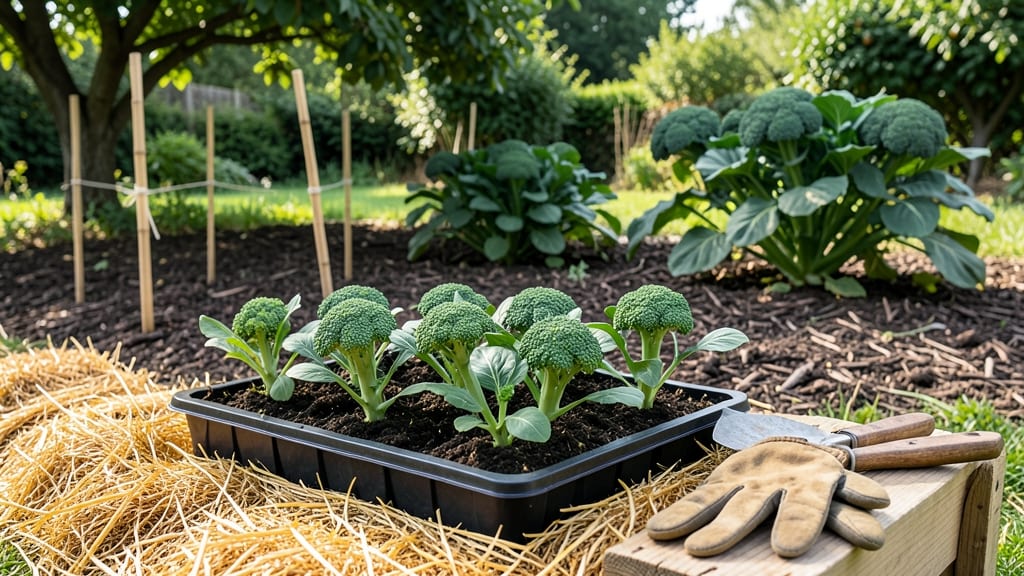
Planting a fall garden in Texas means timing your seeds right—before the heat lingers but after the first frost risk fades.
Texas gardeners know timing is everything—and planting your fall garden too early or late can mean the difference between a thriving harvest and wasted seeds.
With Texas' diverse climate zones stretching from the humid Gulf Coast to the arid Panhandle, knowing the exact planting windows for your region is critical to avoid frost damage or stunted growth.
Too soon, and your seedlings will bolt in the lingering summer heat; too late, and the first frost will nip your crops before they mature. The solution? A region-specific planting calendar that accounts for everything from soil temperatures to microclimates—like the cooler Hill Country versus the milder Rio Grande Valley.
Below, I’ll break down the ideal planting dates for your zone, the best fall crops for Texas, and how to extend the season with simple tricks—so you can enjoy fresh greens, root vegetables, and herbs long after summer’s last tomato.
Texas fall planting calendar: exact dates by USDA hardiness zone (2024 guide)
Texas' fall planting season varies dramatically from the Panhandle's cooler zone 7b to the Rio Grande Valley's balmy zone 10a.
In North Texas (zones 7-8), you can start cool-season crops like broccoli as early as late July, while South Texas (zones 9-10) gardeners should wait until mid-September to avoid summer heat stress. Understanding these USDA zone-specific windows ensures your plants establish roots before frost arrives.
First frost dates create your planting deadline—North Texas faces frost by November 15, while South Texas rarely sees frost. For zones 7-8, aim to plant 6-8 weeks before first frost; in zones 9-10, focus on soil temperature drops below 70°F.
Soil thermometers are your best tool to time plantings perfectly, especially for heat-sensitive varieties like lettuce.
Key regional adjustments matter: Hill Country gardeners should plant 2 weeks earlier than Gulf Coast areas due to cooler nights. Coastal zones (like Corpus Christi) can extend seasons with mild winters, while West Texas' dry climate demands extra soil moisture for fall crops. Always check local microclimates—urban areas may be 5°F warmer than rural spots.
For zone 7-8 gardeners, prioritize fast-maturing varieties like 'Early Snowball' broccoli (58 days) or 'Paris Market' carrots (60 days). In zone 9-10, heat-tolerant 'Heat-Tolerant' kale or 'Black Seeded Simpson' lettuce thrive when planted in October. Always check seed packets for days-to-maturity and adjust planting dates accordingly.
Soil preparation is critical—amend heavy clay soils (common in East Texas) with compost and sand to improve drainage. In West Texas, add organic mulch to retain moisture. Test soil pH (ideal 6.0-7.0) and add lime if needed—acidic soils stunt growth of broccoli and cabbage.
A pre-planting fertilizer with balanced 10-10-10 nutrients ensures strong starts.
Watering strategies differ by region: North Texas needs deep watering every 3-4 days as temperatures drop, while South Texas can reduce to every 5-7 days. Always water early morning to prevent fungal diseases like downy mildew, common in Texas' humid fall air.
Drip irrigation systems save water and maintain consistent moisture—essential for leafy greens.
Extend your season with row covers or cold frames in zones 7-8. These protect spinach and lettuce from light frosts (28-32°F). In zone 9-10, focus on successional planting—sow radishes every 2 weeks for continuous harvests.
Always monitor weather forecasts and have frost cloth ready for unexpected cold snaps.
Common mistakes include planting heat-loving crops like tomatoes too late in South Texas or ignoring soil temperature. Use a soil thermometer—ideal temps are 50-65°F for most fall crops. In zone 10, avoid planting cold-sensitive crops until after September 15 when daytime highs drop below 90°F.
My top 3 fall planting tips for Texas: 1) Start seeds indoors 4-6 weeks before outdoor transplant dates, 2) Use raised beds in heavy clay soils, and 3) Rotate crops
Top 5 fall crops for Texas gardens (and how to extend their growing season)
Fall gardening in Texas is all about choosing cold-hardy crops that thrive in milder temperatures while still delivering big harvests. The key is selecting varieties that can handle light frosts (down to 25°F) while avoiding the sweltering summer heat that can stress young plants.
These top 5 crops are proven winners across Texas' diverse zones, from the Panhandle to the Rio Grande Valley.
One of my favorite Texas-friendly fall crops is collard greens, which not only survive light frosts but actually sweeten up when temperatures dip. Pair that with turnips (both roots and greens) and green onions, and you've got a powerhouse fall garden that keeps producing well into winter.
The secret to success? Successional planting and protective measures to delay frost.
🌱 Numbered Highlights: Texas Fall Planting Essentials
- 📅 Planting Window: Start seeds 6-8 weeks before first frost (typically late July to early September in North Texas, August to October in South Texas).
- 🌡️ Soil Temp: Aim for 60-70°F—wait for summer heat to break before sowing.
- 🛡️ Frost Protection: Use row covers or cold frames to extend harvests by 2-4 weeks in zones 7-10.
- 🌿 Companion Crops: Plant bush beans near kale to improve soil, or radishes with carrots to deter pests.
- 🌱 Successional Sowing: Plant every 2-3 weeks for continuous harvests—works best with lettuce, spinach, and green onions.
Let’s dive into the top 5 fall crops that perform exceptionally well in Texas gardens. Collard greens are my go-to for their resilience—they’ll keep producing even when temperatures drop to 20°F with protection.
For a quick harvest, try turnips (sow seeds ½ inch deep) or radishes (ready in 25-30 days). Green onions are another easy win; they regrow after cutting and tolerate light frosts beautifully.
To maximize your fall harvest, focus on spacing and soil prep. Collards need 12-18 inches apart, while turnips thrive in 3-inch spacing.
Amend your soil with compost to improve drainage—Texas clay can become waterlogged in fall rains. Mulch heavily (3-4 inches) to insulate roots and retain moisture, especially in drought-prone zones like West Texas.
For frost-sensitive crops like spinach or kale, use floating row covers to add 4-6°F of protection. In milder zones (8-10), you can even try overwintering crops like broccoli or cabbage with a low tunnel.
The key is monitoring frost forecasts—when a 28°F warning hits, it’s time to cover or harvest.
Don’t forget about herbs like cilantro and parsley, which thrive in cooler weather. They’re perfect for successional planting: sow a new batch every 3 weeks to ensure a steady supply.
With these frost-resistant crops and a few protective strategies, your Texas fall garden can keep yielding well into winter—even when Jack Frost pays a visit.