
Planting
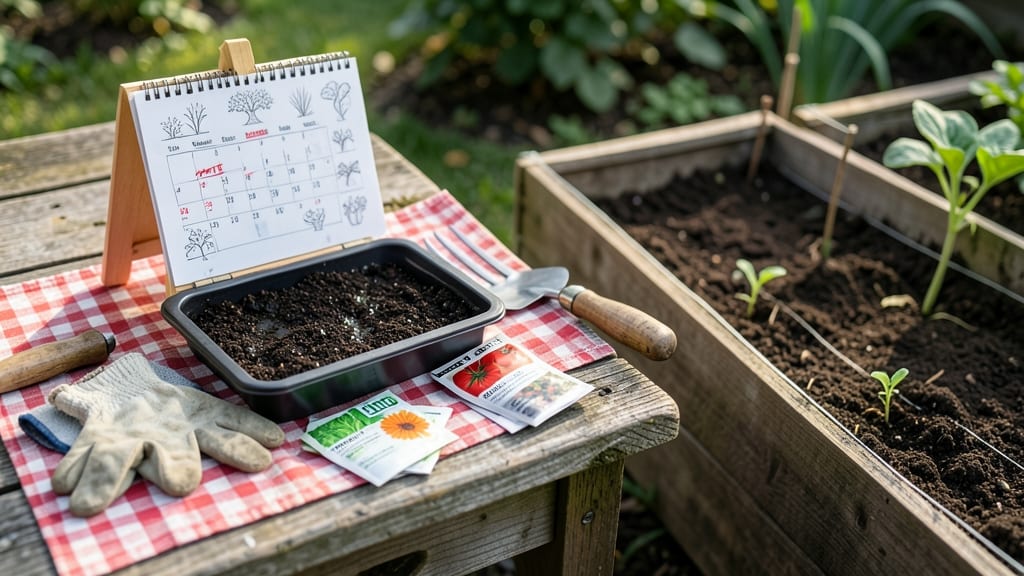
Planting a garden in Washington, DC, means timing your crops just right to beat the city’s unpredictable frost and heat waves—especially in USDA Zone 7b, where last frosts can linger into mid-April.
Picture this: You’ve spent weeks prepping your soil, only to wake up to a surprise frost in late April, turning your tender seedlings into crispy snacks. Or worse, you plant too early and your warm-season crops bolt in the heat before they even set fruit.
DC’s microclimates—from Capitol Hill’s cooler breezes to Anacostia’s urban heat islands—make the difference between a bountiful harvest and a frustrating gamble.
Here’s the good news: With the right frost dates, soil temperature tricks, and a few local adjustments, you can stretch your planting season from early spring to late fall.
Whether you’re growing tomatoes that blush in July or kale that toughs it out until November, this guide breaks down exactly when to put in each crop—and how to protect them when DC’s weather throws a curveball.
You’ll learn the exact windows for cool-season and warm-season plants, how to read your neighborhood’s microclimate, and even how to cheat the system with row covers and succession planting. No more guessing—just a garden that thrives, no matter what DC throws at it.
Washington DC frost dates by zone: when to plant cool-season vs warm-season crops
Washington DC's USDA Zones 7a/7b create a delicate balance between cool-season and warm-season crops. My garden thrives when I align plantings with average last frost dates (March 20–April 15) and first frost dates (October 15–November 10). These windows separate the difference between a bountiful harvest and a failed experiment.
Urban heat islands in neighborhoods like Downtown DC can delay frost by 1–2 weeks compared to cooler suburban areas like Arlington. I always check NOAA's local frost maps to adjust my planting schedule accordingly.
For example, cool-season crops like spinach and kale can handle light frosts, while warm-season crops like tomatoes need to wait until soil temperatures hit 50°F (10°C).
Here’s a quick reference for planting windows based on DC’s microclimates:
| Crop Type | Planting Window | Frost Tolerance | Notes |
|---|---|---|---|
| Cool-Season Crops | March 15–April 15 (spring) or August 15–September 15 (fall) | Tolerates light frost | Examples: Spinach, Kale, Lettuce, Peas, Radishes |
| Warm-Season Crops | April 20–May 15 (after last frost) | Frost-sensitive | Examples: Tomatoes, Peppers, Basil, Cucumbers |
| Herbs | March 20–April 15 (cool: parsley, cilantro) or May 1–June 1 (warm: basil, oregano) | Varies by type | Cool herbs bolt in heat; warm herbs struggle in cold |
| Flowers | March 15–April 15 (cool: pansies, snapdragons) or May 15–June 1 (warm: marigolds, zinnias) | Most tolerate light frost | Pollinator-friendly flowers attract bees year-round |
| Fall Extenders | July 15–August 15 (for late harvests) | Heat-tolerant varieties | Examples: Malabar spinach, okra, Swiss chard |
For cool-season crops, I start seeds indoors in late February to get a head start. Hardy varieties like kale and broccoli can handle 28°F (-2°C) temperatures, so I plant them as early as mid-March in suburban areas. In urban heat islands, I delay by 1–2 weeks to avoid bolting.
Warm-season crops are trickier. I use row covers to protect young seedlings from unexpected late frosts, which can still hit DC until mid-April. Tomatoes and peppers need consistent warmth, so I wait until after May 1 to transplant them outdoors.
If I’m impatient, I start them indoors in early March and harden them off by late April.
Herbs like basil and cilantro have opposite needs. Basil bolts in cold weather, while cilantro bolts in heat. I plant cilantro in early spring and fall, and basil only after May 15.
For flowers, I prioritize pollinator-friendly varieties like coneflowers and black-eyed Susans, which thrive in DC’s climate and provide year-round blooms.
Fall planting is my favorite strategy to extend the season. I sow spinach and lettuce in late July for a harvest before first frost. For heartier crops like kale and carrots, I plant in early August to enjoy them through November.
Urban gardens may need row covers to push harvests even later.
Pro tip: Use soil thermometers to confirm readiness. Most warm-season crops need soil at 60°F (15°C) or warmer. I also monitor NOAA’s DC frost predictions for real-time adjustments. With these timelines, my garden consistently produces abundant harvests despite DC’s unpredictable weather.
DC microclimate zones: how urban heat islands and elevation change planting times
Washington DC’s neighborhoods create unexpected planting challenges because of urban heat islands and elevation differences. Areas like Capitol Hill can be 5–10°F warmer than Takoma Park, delaying warm-season crops by 1–2 weeks.
These microclimates mean your tomato plants might thrive in one yard while struggling just a few blocks away. Understanding these variations lets you time plantings perfectly for your specific location.
Elevation plays a critical role too. Higher areas like Takoma Park (300+ ft elevation) experience cooler nights, while lower spots like Anacostia (near sea level) hold heat longer. This affects frost dates and soil warming—key factors for seeds like peppers or cucumbers that need warm soil to germinate.
NOAA’s DC weather stations confirm these patterns, showing last frost dates can vary by 7–10 days across the city.
Use this comparison table to adjust your planting schedule based on DC’s microclimates. Check your neighborhood’s elevation and heat island status, then align your planting windows with the data below. For precise timing, consult NOAA’s DC weather alerts or local community garden forums for real-time updates.
To fine-tune your schedule, check NOAA’s DC weather station for your specific area. For example, if you’re in Capitol Hill, wait until mid-May to plant tomatoes or peppers due to the delayed soil warming.
In contrast, Anacostia gardeners can start warm crops as early as late April thanks to faster soil heating. Always monitor soil temperature—aim for 60°F+ for warm-season seeds.
Pro tip: Use shade cloth in heat islands to protect young plants from heat stress while waiting for cooler nights. In elevated areas, consider row covers to extend the growing season.
By aligning your planting with your microclimate, you’ll avoid the common DC gardener mistake of planting too early or too late—both of which can ruin a season’s harvest.
Start by identifying your neighborhood’s microclimate, then adjust your planting calendar using the data above. With these tweaks, your DC garden will thrive year after year, regardless of where you live in the city. Happy planting!