
Planting
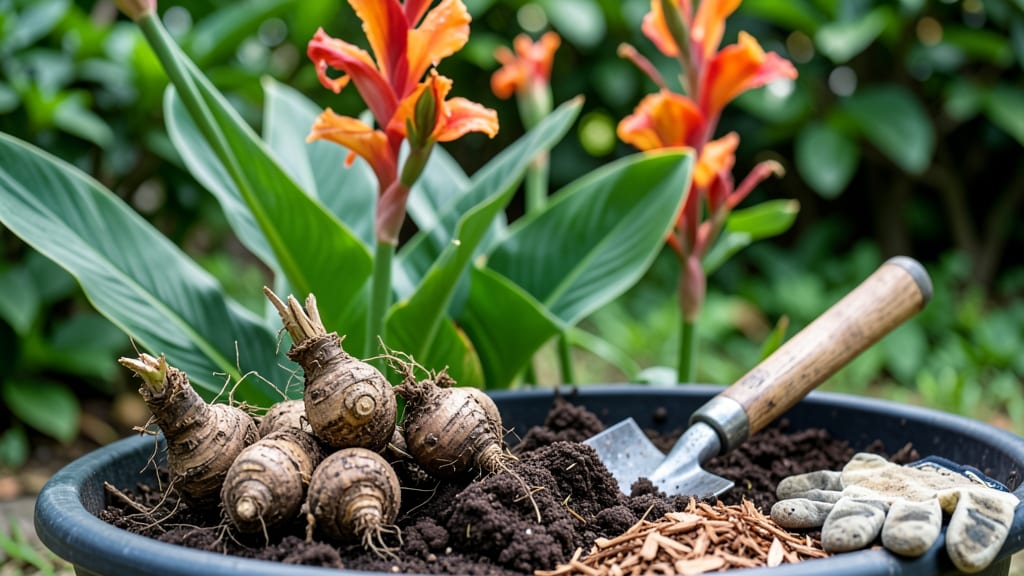
Planting canna bulbs in spring after the last frost ensures those bold 🌺 blooms take over your garden like clockwork.
Picture this: you’ve waited all winter, and now the soil is finally warm enough—but you rush ahead and plant too soon. A week later, your precious rhizomes rot in the cold, and your dream of towering tropical foliage goes up in smoke. That’s why timing is everything.
Most gardeners in USDA Zone 6a and warmer can start as early as late April, but the real rule is soil temperature: wait until it hits 60°F or higher. Below that, the roots won’t wake up, and your cannas will sulk instead of soar.
Below, I’ll walk you through the exact frost-free zone checklist, how to test your soil’s readiness, and the simple tricks to get your cannas off to a fast, lush start—no guesswork included.
Frost-free Zone guide: when to plant canna bulbs by USDA hardiness Zones
Canna lilies thrive in warm climates, but their spring planting timing depends heavily on your USDA hardiness zone. In Zones 7-11, the difference between a lush tropical display and a failed attempt often comes down to one thing: waiting until after the last frost.
Even a light frost can damage emerging shoots, so knowing your local frost-free date is critical.
While cannas are technically hardy to Zone 7, their rhizomes (bulbs) need soil temperatures above 50°F to sprout safely. Cold soil triggers rot before shoots emerge.
For example, in Southern California (Zone 10), you can plant as early as February, but in Chicago (Zone 5), you’d wait until late May—even though both regions have warm summers.
Here’s the key: Soil temperature matters more than air temperature. A 50°F soil threshold is non-negotiable for canna success. Use a soil thermometer or the back-of-your-hand test—if the soil feels cool to the touch, wait a few more weeks.
In Zones 9-11, early planting also helps avoid summer heat stress, while Zones 7-8 gardeners must balance frost risks with the need for long growing seasons.
| USDA Zone | Ideal Planting Window | Soil Temp Threshold | Regional Notes |
|---|---|---|---|
| Zone 7 | Late May to early June | 50°F+ soil | High frost risk; use row covers if early planting. |
| Zone 8 | Mid-April to May | 50°F+ soil | Monitor late frosts; plant after azalea blooms. |
| Zone 9 | February to March | 55°F+ soil | Plant early to avoid summer heat; mulch heavily. |
| Zone 10 | January to February | 60°F+ soil | Southern California: plant after desert wildflowers bloom. |
| Zone 11 | December to January | 65°F+ soil | Tropical climates; plant in partial shade to prevent heat stress. |
In Zones 7-8, late frosts are the biggest threat. I’ve seen canna shoots emerge only to be killed by a 28°F night in May. To mitigate this, plant in containers or use black plastic mulch to warm the soil faster.
In Zones 9-11, the challenge shifts to heat and drought. Planting too early can lead to bolting (premature flowering) or stunted growth due to summer’s intensity.
Pro tip: Pre-warm your soil in cooler zones by covering beds with clear plastic for 1-2 weeks before planting. This raises soil temps by 10-15°F, giving cannas a head start.
I’ve also had success planting in raised beds, which warm up faster than in-ground soil. Just ensure the bed has well-draining soil—cannas hate soggy roots.
For heatwave preparation, choose dwarf varieties like ‘Pyramid’ or ‘Striped Realm’ if you’re in Zones 10-11. These tolerate higher temps better than standard cannas.
In containers, move pots to partial shade during peak heat (100°F+). Mulch with straw or wood chips to retain moisture and cool the root zone.
Finally, don’t rush. I’ve planted canna bulbs in April in Zone 8 only to watch them rot in cold soil. Wait until you can stick your hand 6 inches deep and feel warmth—then it’s safe to plant. Patience here means the difference between bold blooms and wilted disappointment.
With the right timing, your cannas will reward you with season-long color from summer through fall. Start with your local frost-free date, then adjust based on soil warmth—your tropical oasis is just a few weeks away! 🌺
5 Signs your garden is ready for canna bulbs (before you dig)
Planting canna bulbs too early can turn your tropical dreams into soggy disappointment—cold soil triggers rot before sprouts even appear. But how do you know when your garden is truly ready? The answer lies in subtle environmental cues that most gardeners overlook.
Instead of guessing by calendar dates, I rely on these 5 foolproof signs that your soil and climate are perfect for canna lilies.
First, check your soil temperature—cannas demand warmth to thrive. A simple DIY test works: Stick your hand in the soil 6 inches deep. If it feels warmer than your wrist (around 60°F or 15°C), your cannas are ready.
For a more precise gauge, use a soil thermometer or even a DIY alcohol thermometer buried for 24 hours. Pro tip: Morning is the best time to test, as afternoon sun can skew readings.
Next, observe your neighboring perennials. When peonies and daylilies burst into full bloom, it’s a green thumbs-up for cannas. These plants share similar late-spring warmth requirements, so their growth signals that your garden’s microclimate is finally cooperating.
Another telltale sign? Daffodils finishing their bloom cycle—this usually means nighttime temperatures stay consistently above 50°F (10°C), safe for canna bulbs.
- 1 Soil warmth test: Hand test confirms 60°F+ soil (warmer than wrist)
- 2 Peony bloom: Neighboring perennials in full flower (late May in most zones)
- 3 Daffodil decline: Leaves yellowing post-bloom (signals stable nighttime temps)
- 4 Frost-free window: 3+ consecutive nights above 50°F (check local weather)
- 5 Rhizome readiness: Bulbs firm to touch (no soft spots from cold storage)
Don’t ignore local frost patterns—even if your soil is warm, a late frost can wipe out tender canna shoots. I always cross-reference my soil test with the local frost-free date (find yours via the National Weather Service).
For extra safety, add 1-2 weeks of buffer time if your area has unpredictable spring weather. In Zone 7, this might mean waiting until early June, while Zone 9 gardeners can plant as early as late April.
Finally, inspect your canna rhizomes before planting. Healthy bulbs should feel firm and plump, not soft or shriveled—a sign they’ve been stored too long in cold conditions. If you notice any mold or wrinkles, soak the rhizomes in a 1:10 bleach-water solution for 10 minutes to prevent disease.
Remember, cannas are tropical divas—they demand warmth from day one, and rushing the process often backfires with mushy, rotting bulbs.
Once you’ve confirmed all five signs, it’s time to dig! Plant your canna rhizomes 2-3 inches deep, spacing them 12-18 inches apart in well-draining soil with a high-phosphorus fertilizer to kickstart root growth.
With the right timing, you’ll be rewarded with bold, tropical blooms by early summer—no more wilted dreams! 🌺