
Planting
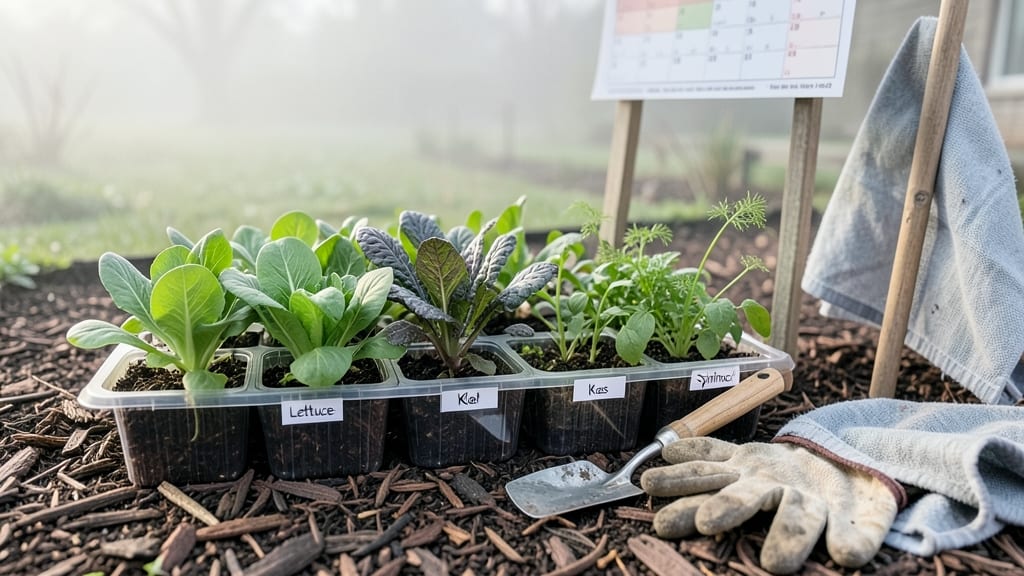
To plant your garden in Maine, timing everything after the last frost date—typically mid-May—is the key to avoiding those dreaded late-spring freezes.
Maine’s unpredictable climate can make planning your garden tricky—plant too early, and frost will strike; too late, and your growing season shrinks. But with the right frost-free dates and plant-specific timing, you can maximize your harvest from coastal Portland to the mountains of Bangor.
Cool-season crops like spinach and peas thrive when planted as early as April 15, while warm-season favorites such as tomatoes and peppers need to wait until the soil warms to 50°F—usually late May or early June.
Fall planting is just as critical, with most vegetables going in by August 1 to mature before the first frost in October.
Below, I’ll break down the best planting windows for your General Vegetable Garden 🌱, regional frost-date adjustments, and pro tips to stretch your growing season in Maine’s short but productive climate.
Maine’s frost-free dates by region: coastal vs. inland planting times
Maine gardeners face unique challenges with its short growing season and variable frost dates. Coastal areas like Portland enjoy milder winters, while inland valleys such as Augusta experience earlier frosts. Knowing your last spring frost and first fall frost dates is critical for timing plantings correctly.
These dates shift by 1-3 weeks between regions, so let’s break it down to help you plan.
Use the UMaine Climate Reanalyzer or USDA Plant Hardiness Zone Map (Zones 4-6 in Maine) to pinpoint your exact frost dates. Coastal areas typically have 10-14 days longer frost-free periods than inland spots.
For example, Bar Harbor might see its last frost on May 15, while Presque Isle could still face frost until June 1. These differences matter for warm-season crops like tomatoes and peppers.
Below is a regional comparison of frost-free windows for Southern, Central, and Northern Maine. Adjust timings based on your microclimate—valleys, slopes, and bodies of water all influence local conditions. For instance, a south-facing slope warms up faster than a north-facing garden, allowing earlier plantings.
| Region | Last Spring Frost | First Fall Frost | Frost-Free Days | Best for Planting |
|---|---|---|---|---|
| Southern Maine (Portland, Kittery) | April 25 - May 10 | October 1 - October 15 | 150-170 days | Early tomatoes, peppers, basil |
| Central Maine (Augusta, Waterville) | May 1 - May 15 | September 25 - October 10 | 130-150 days | Cold-hardy greens, potatoes, beans |
| Northern Maine (Bangor, Presque Isle) | May 15 - June 1 | September 15 - September 30 | 100-120 days | Fast-maturing crops, peas, radishes |
Southern Maine’s coastal microclimate often allows gardeners to plant warm-season crops like tomatoes and peppers by May 15. However, inland areas like Augusta may need to wait until May 25 to avoid frost damage.
Always check soil temperatures—warm-season plants thrive when soil reaches 50°F or higher. Use a soil thermometer to confirm readiness, especially in northern regions.
For fall planting, coastal areas can extend their season until October 15, while inland gardens must wrap up by September 20. Plant cool-season crops like kale and spinach 6-8 weeks before your first frost date.
In Northern Maine, focus on fast-maturing varieties or use row covers to protect tender plants.
Pro tip: Track local frost dates for 3-5 years to account for climate variability. The National Weather Service and Maine State Climate Office provide historical data. For example, Portland’s last frost date can vary by 7 days year to year—plan accordingly.
If you’re unsure, opt for cold-tolerant varieties like ‘Early Girl’ tomatoes or ‘Mammoth Melting’ snow peas.
Inland valleys, like those around Augusta, often experience earlier frosts due to colder air settling in low areas. If you garden in a valley, consider planting heat-loving crops on south-facing slopes where soil warms faster.
Conversely, coastal gardens benefit from moderating ocean breezes, reducing frost risk and extending the growing season.
Don’t forget about urban heat islands in cities like Portland, where pavement and buildings can raise temperatures by 2-5°F. This can push your last frost date back by 3-5 days.
Use these microclimates to your advantage—plant warm-season crops earlier in urban areas and cool-season crops later in the fall.
For high-risk areas, like Northern Maine, consider using season extenders such as cold frames or hoop houses. These can add 2-4 weeks to your growing season, allowing you to plant tomatoes and peppers as early as May 1 instead of waiting for June 1.
Always monitor weather forecasts and have row covers ready for late spring frosts.
By aligning your planting schedule with local frost dates and microclimate conditions, you’ll maximize your Maine garden’s potential. Start with cold-hardy crops like peas and lettuce in early spring, then transition to warm-season favorites once the coast is clear. Happy gardening! 🌱
Best planting schedule for Maine gardens: warm-season vs. cool-season crops
Maine’s short growing season demands precision when planting—cool-season crops like kale and peas thrive in early spring, while tomatoes and peppers need warm soil to germinate. The key is timing: plant too early, and frost will kill seedlings; too late, and your harvest shrinks.
I’ve broken down the best windows for both crop types, plus how to stretch your season with row covers or cold frames.
For cool-season crops, start seeds indoors 6–8 weeks before your last frost date (typically mid-May for most of Maine). Direct-sow hardy greens like spinach and radishes as soon as soil is workable—often by late March or early April in Southern Maine.
In Northern Maine, wait until late April to avoid frost damage. Warm-season crops like beans and cucumbers need soil temps above 50°F, so hold off until late May or early June.
Here’s your Maine planting timeline for warm vs. cool-season crops, including a 30-day buffer for high-risk areas:
- Early Spring (March–April): Plant cool-season crops like peas, lettuce, and spinach as soon as soil thaws. Use row covers for extra protection.
- Late Spring (May): Wait until after last frost (mid-May in Southern Maine, early June in the North) to plant warm-season crops like tomatoes and peppers. Start seeds indoors 8 weeks before transplanting.
- Summer (June–July): Succession plant fast growers like bush beans and radishes every 2 weeks. Use black plastic mulch to warm soil for heat-loving crops.
- Fall (August–September): Replant cool-season crops like kale and carrots 8–10 weeks before first frost (early October in Southern Maine, late September in the North).
- 30-Day Buffer: In high-risk areas (e.g., Mountains of Aroostook), add a 4-week delay for warm-season crops. Use cold frames to extend harvests into October.
Succession planting is your secret weapon in Maine. For example, sow lettuce every 2 weeks from April to August to ensure a continuous harvest. Similarly, plant bush beans in two batches—one in early June and another in mid-July—to avoid missing the window for maturity.
This works especially well for fast-growing crops like radishes and turnips.
Extend your season with row covers or cold frames—these can push your harvest window by 3–4 weeks in both spring and fall. For instance, I’ve used row covers to grow spinach until late November and kale through December.
Just remember to ventilate on warm days to prevent overheating. In coastal areas like Portland, microclimates may allow for earlier planting, so adjust based on local conditions.
Pro tip: Keep a planting journal to track your frost dates and crop success. Maine’s climate varies wildly—what works in Bangor might fail in Presque Isle. Over time, you’ll refine your schedule to match your specific corner of the state. Happy planting!