
Plants
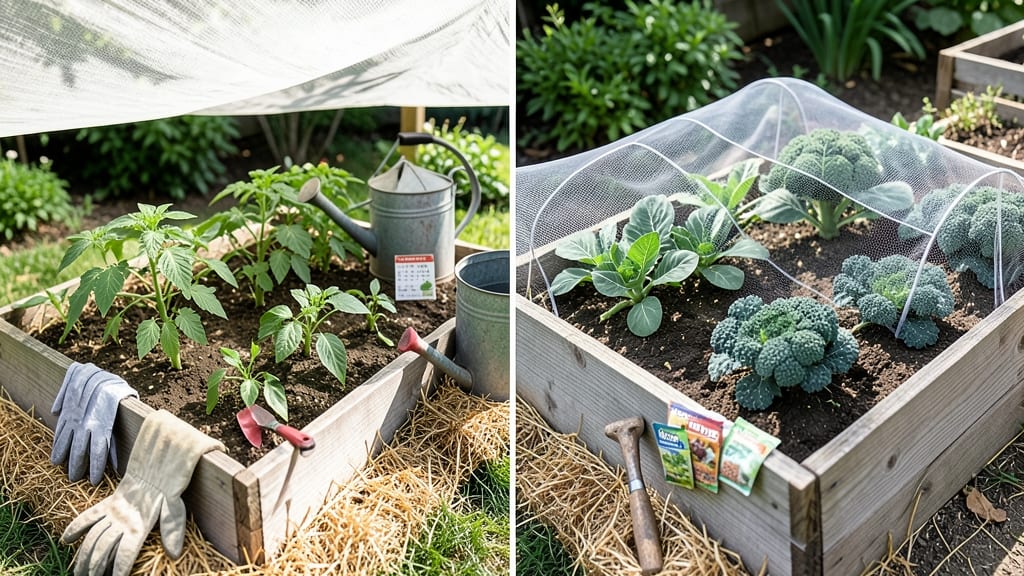
To plant in Zone 7A, timing varies by crop: cool-season vegetables like lettuce and peas do best in early spring (March-April) and fall (September-October), while warm-season plants such as tomatoes and peppers should go in after the last frost (mid-April to May). Perennials and trees thrive when planted in spring (March-May) for strong root growth.
Zone 7A's planting schedule hinges on frost dates and soil temperatures. Cool-season crops handle light frosts, while warm-season plants need soil above 50°F—which typically happens after April 15. I've found that starting seeds indoors 6-8 weeks before the last frost gives seedlings a head start.
For example, basil and cucumbers won't tolerate cold soil, so I wait until late May to transplant them. 🌱
Perennials like lavender and hydrangeas establish best when planted in early spring, giving roots time to settle before summer heat. Trees, including fruit-bearing varieties, also prefer spring planting to avoid transplant shock.
The key is matching each plant's needs to the local climate patterns—Zone 7A's mild winters mean you can extend growing seasons compared to colder zones.
💡 In This Article
- Zone 7A Planting Timeline by Seasonal Temperature Needs
- Best Months to Plant Specific Vegetables, Flowers, and Trees in Zone 7A
Zone 7A planting timeline by seasonal temperature needs
The last average frost date in Zone 7A typically falls between March 15 and April 15, while the first frost arrives around November 15–December 15. This 180–210-day growing window creates distinct planting opportunities.
Cool-season crops like spinach and kale can handle light frosts down to 25°F, while warm-season plants such as eggplants need soil temperatures above 50°F—a threshold usually reached by late April in most of Zone 7A. 🌱
Soil temperature is the critical factor for warm-season crops. A soil thermometer reveals when the top 2–3 inches of soil consistently reach 50°F—this is when you can safely plant tomatoes, peppers, and cucumbers.
In my experience, waiting until early May ensures the soil stays warm enough for germination, especially in cooler microclimates. Conversely, cool-season crops like broccoli and cabbage can be planted as soon as the soil is workable (around 45°F), often in early March.
Heat tolerance also plays a role. Plants like lettuce bolt (go to seed prematurely) when daytime temperatures exceed 80°F, which happens by late June in Zone 7A. This is why I plant successive lettuce crops in September for fall harvests—cooler nights prevent bolting.
The same logic applies to herbs: basil thrives in summer heat but struggles when nights dip below 50°F, so I hold off until mid-May for transplanting.
Zone 7A's mild winters allow for extended growing seasons compared to colder zones. For example, you can plant garlic in October for a summer harvest, or overwinter kale for early spring greens. The key is matching each plant's temperature preferences to your local frost dates.
Using a frost calendar specific to your exact location (not just the general zone) can refine timing by 2–3 weeks—critical for heat-sensitive crops like melons.
Another factor is day length. Short-day plants like chrysanthemums need 12–14 hours of daylight to flower, which typically occurs in late summer. This is why I time my chrysanthemum plantings for June—giving them enough daylight to bloom before frost.
Understanding these photoperiod requirements helps avoid disappointed gardeners who plant too early or too late. 🌿
For perennials, the goal is establishing roots before summer heat stress. Planting in March–April gives shrubs like hydrangeas time to develop a strong root system before the first heatwave.
Trees, including fruit-bearing varieties, also benefit from spring planting because their root systems can expand into moist soil before summer drought sets in. This early start reduces transplant shock and improves survival rates.